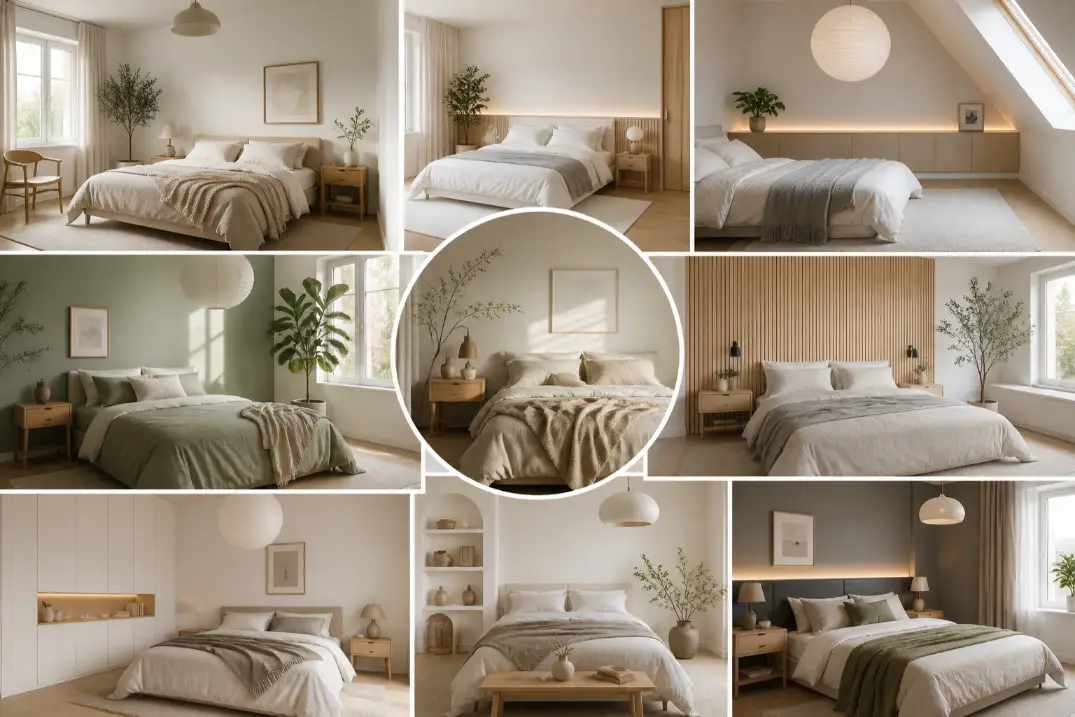
20 Unique Scandinavian Bedroom Ideas & Modern Styles 2026!
There is a reason Scandinavian bedroom design has never gone out of style. In a world that grows increasingly loud and cluttered, the Nordic approach to sleeping spaces speaks to something deeply human. It is the desire for calm, the craving for simplicity, and the quiet pleasure of waking up in a room where everything has a purpose and nothing feels out of place. In 2026, this philosophy is more relevant than ever. Scandinavian bedrooms continue to evolve, blending their signature minimalism with warmer, more personal touches that make a space feel genuinely lived in rather than sterile. Whether you are redesigning an entire room or simply refreshing your existing setup, the ideas below will guide you toward a space that is both beautiful and deeply restful.
What Makes a Scandinavian Bedroom Unique in 2026
Scandinavian design originated in the Nordic countries of Denmark, Norway, Sweden, and Finland in the early twentieth century. Its core philosophy centers on the belief that good design should be accessible, functional, and connected to nature. A bedroom rooted in this tradition is not just a place to sleep. It is a retreat. Every element, from the furniture silhouette to the type of fabric on the pillow, is chosen with intention.
In 2026, the style has matured in exciting ways. Designers are blending traditional Scandinavian minimalism with Japandi influences, earthy color stories, and tactile materials that add dimension without creating visual clutter. The result is a generation of bedrooms that feel warmer, more personal, and more emotionally resonant than ever before.
20 Scandinavian Bedroom Ideas to Transform Your Space
1. Start with a Neutral Color Foundation
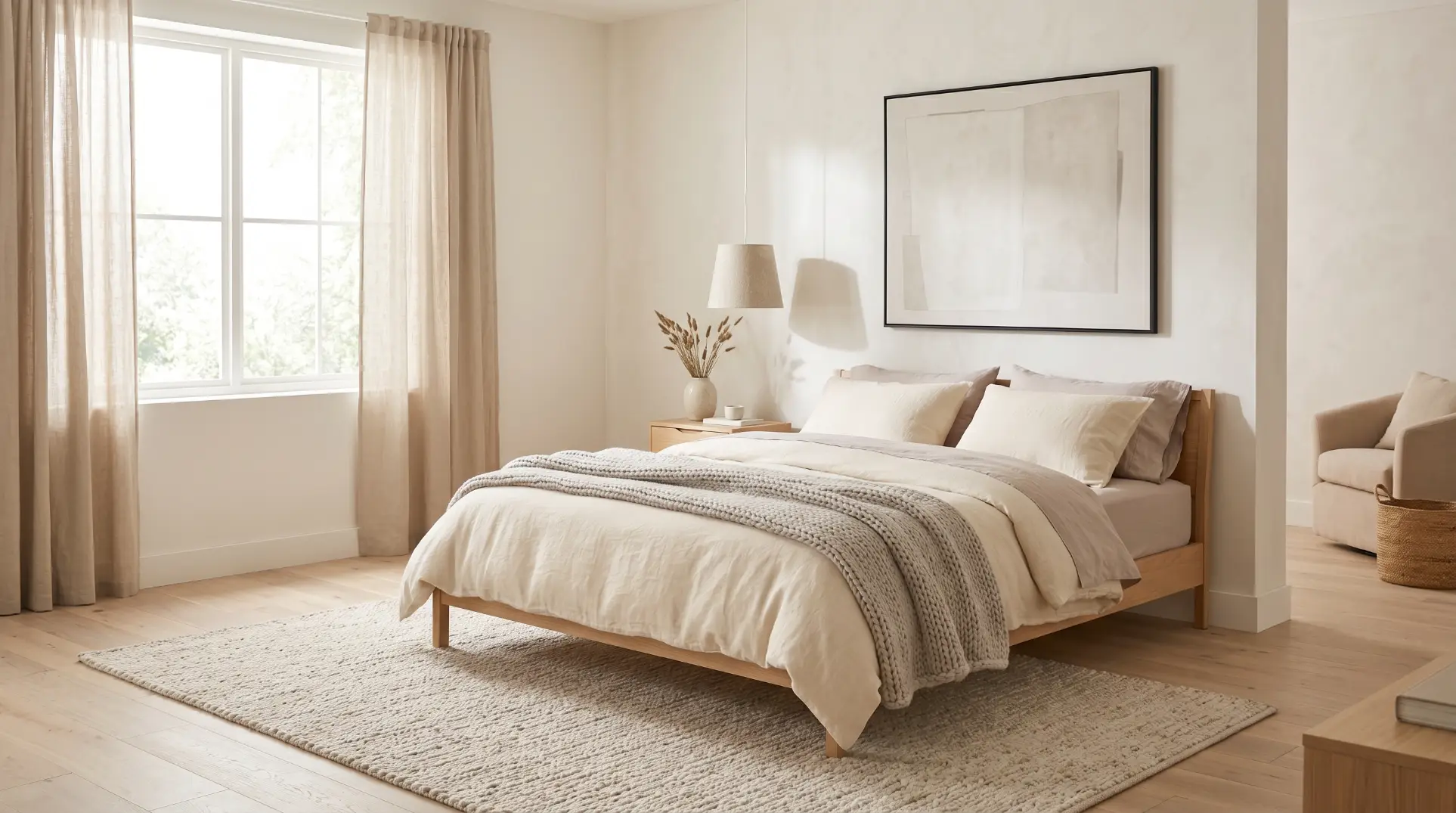
The Scandinavian palette is built on restraint. Whites, creams, soft beiges, warm greys, and pale taupes form the backbone of nearly every Nordic bedroom. These tones reflect natural light beautifully and create an immediate sense of openness. In 2026, the trend leans slightly warmer, with off-whites and sandy neutrals replacing the colder, stark whites of previous years. Think the color of morning fog or fresh linen dried in the sun.
2. Choose a Low-Profile Platform Bed
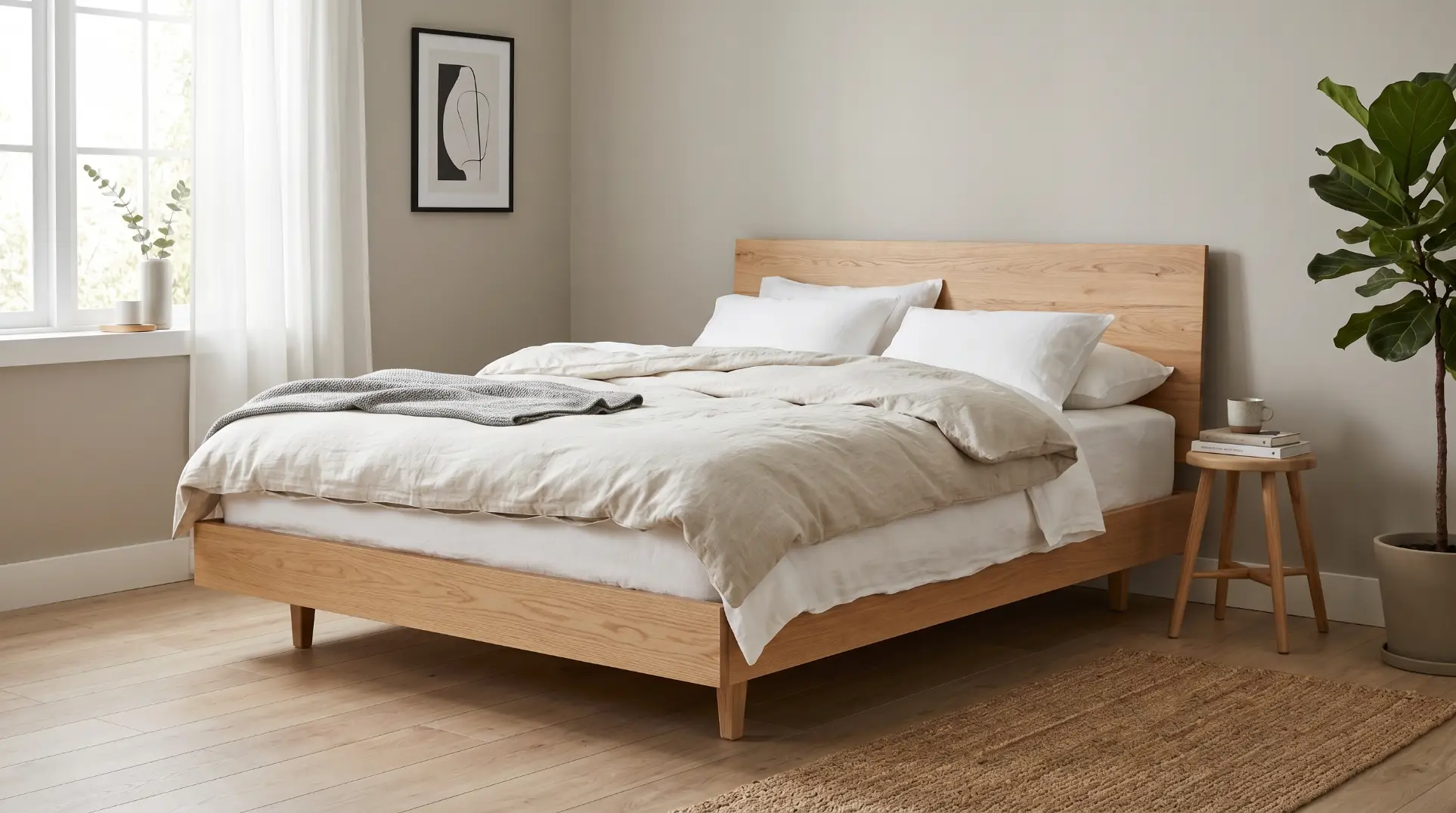
The bed is the centerpiece of any Scandinavian bedroom. A low-profile platform bed with a clean wooden frame or upholstered headboard is the defining furniture piece of this style. It sits close to the floor, creating a grounded, cocoon-like feeling. Paired with crisp white or oatmeal-colored bedding, a platform bed instantly communicates Nordic elegance without trying too hard.
3. Layer Textures Through Bedding and Throws
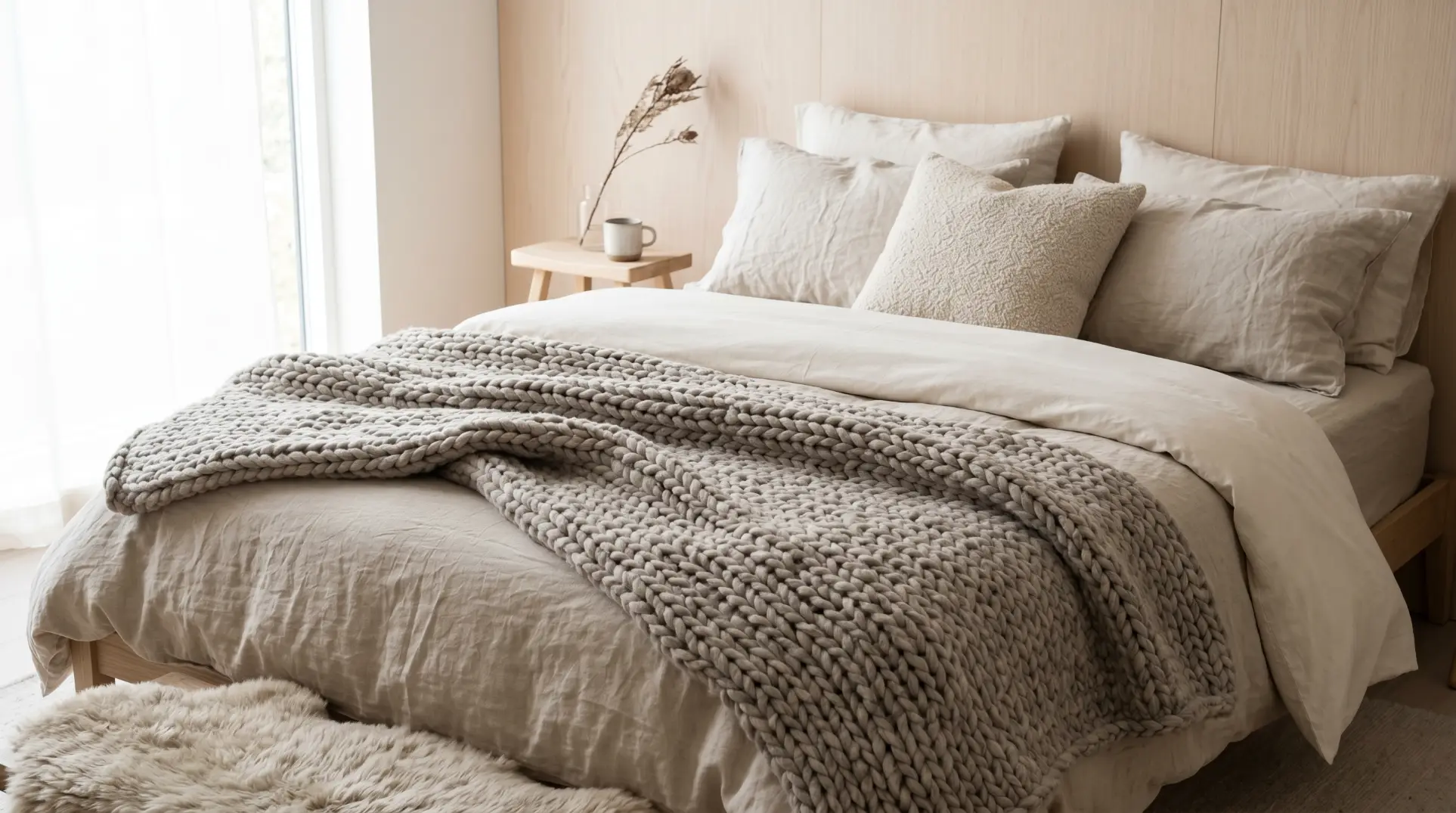
Minimalism does not mean cold. One of the most important principles of Scandinavian bedroom design is the art of layering textures. Linen sheets, a chunky knit throw, a smooth cotton duvet, and a boucle or sheepskin accent all contribute to a bed that looks deeply inviting. The key is to stay within a consistent tonal range so the layers feel cohesive rather than chaotic.
4. Bring In Natural Wood Elements
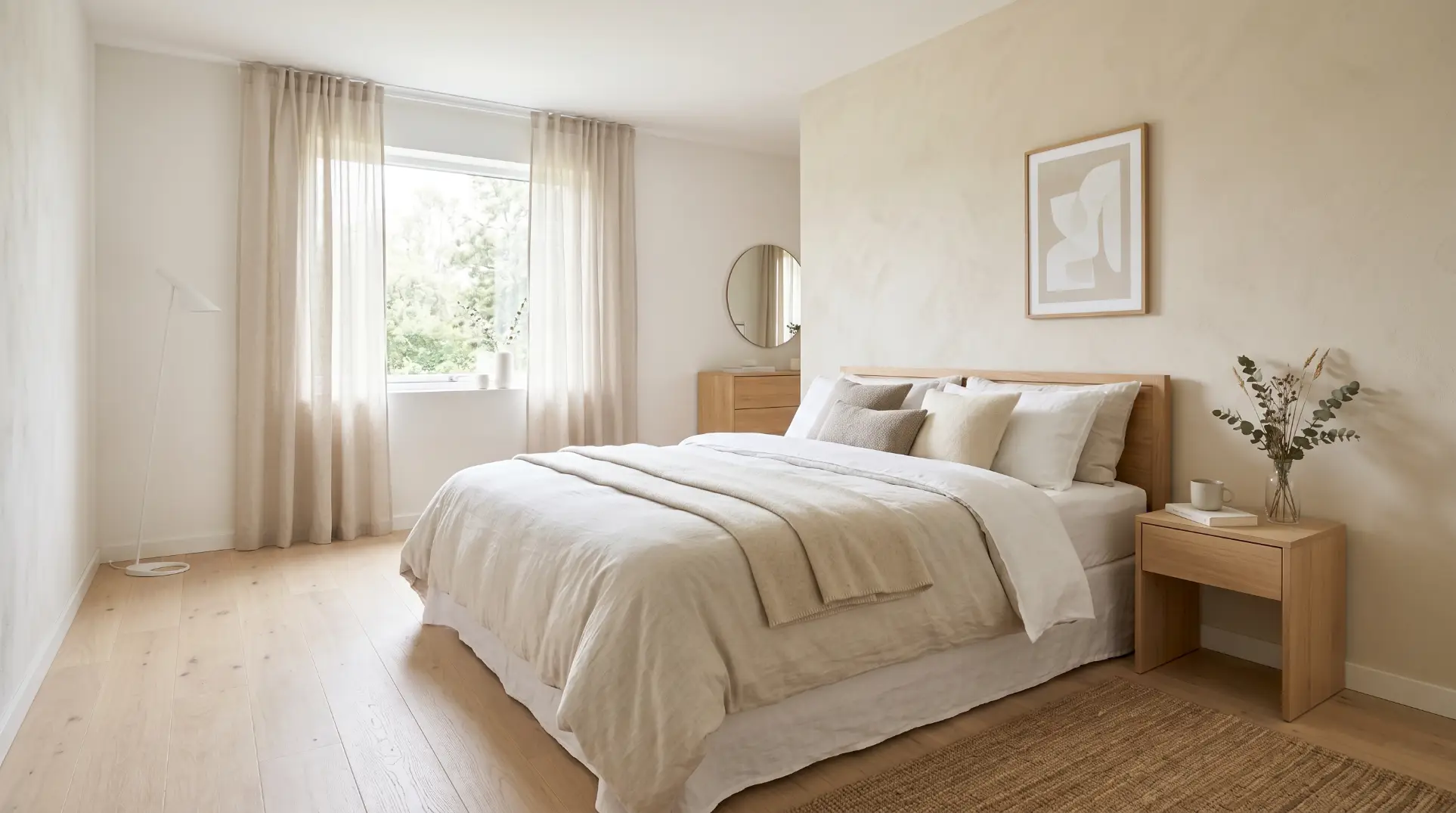
Wood is the soul of Nordic interiors. Light oak, birch, and pine are the most commonly used species, each bringing warmth and organic character to the room. A wooden bedside table, a timber bed frame, or exposed wood flooring introduces a connection to nature that is central to the Scandinavian worldview. In 2026, designers are mixing wood tones more freely, pairing light oak with darker walnut accents for depth and contrast.
| Element | Scandinavian Style | Modern Style |
|---|---|---|
| Colors | Neutral, Soft | Bold, Contrast |
| Furniture | Minimal, Wooden | Mixed Materials |
| Decor | Simple | Decorative |
| Lighting | Soft & Warm | Bright & Sharp |
5. Use Soft, Diffused Lighting
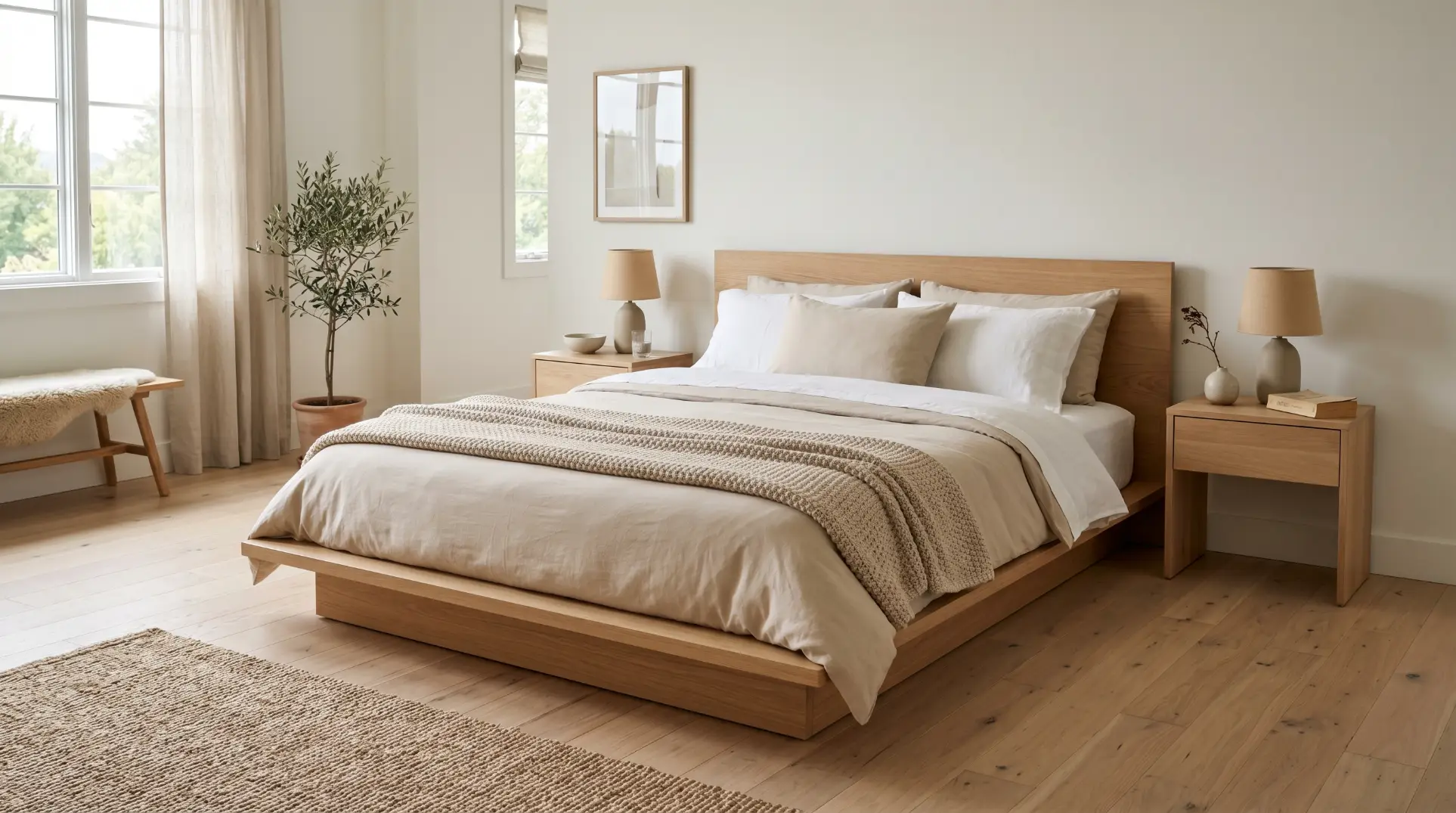
Scandinavian countries endure long, dark winters, which has made the culture extraordinarily skilled at creating warm indoor lighting. In the bedroom, this means avoiding harsh overhead fixtures in favor of layered soft lighting. A pendant lamp in rattan or matte metal above the nightstand, wall-mounted reading sconces, and the gentle flicker of candles all contribute to the hygge atmosphere that defines Nordic coziness.
6. Incorporate a Woven Area Rug
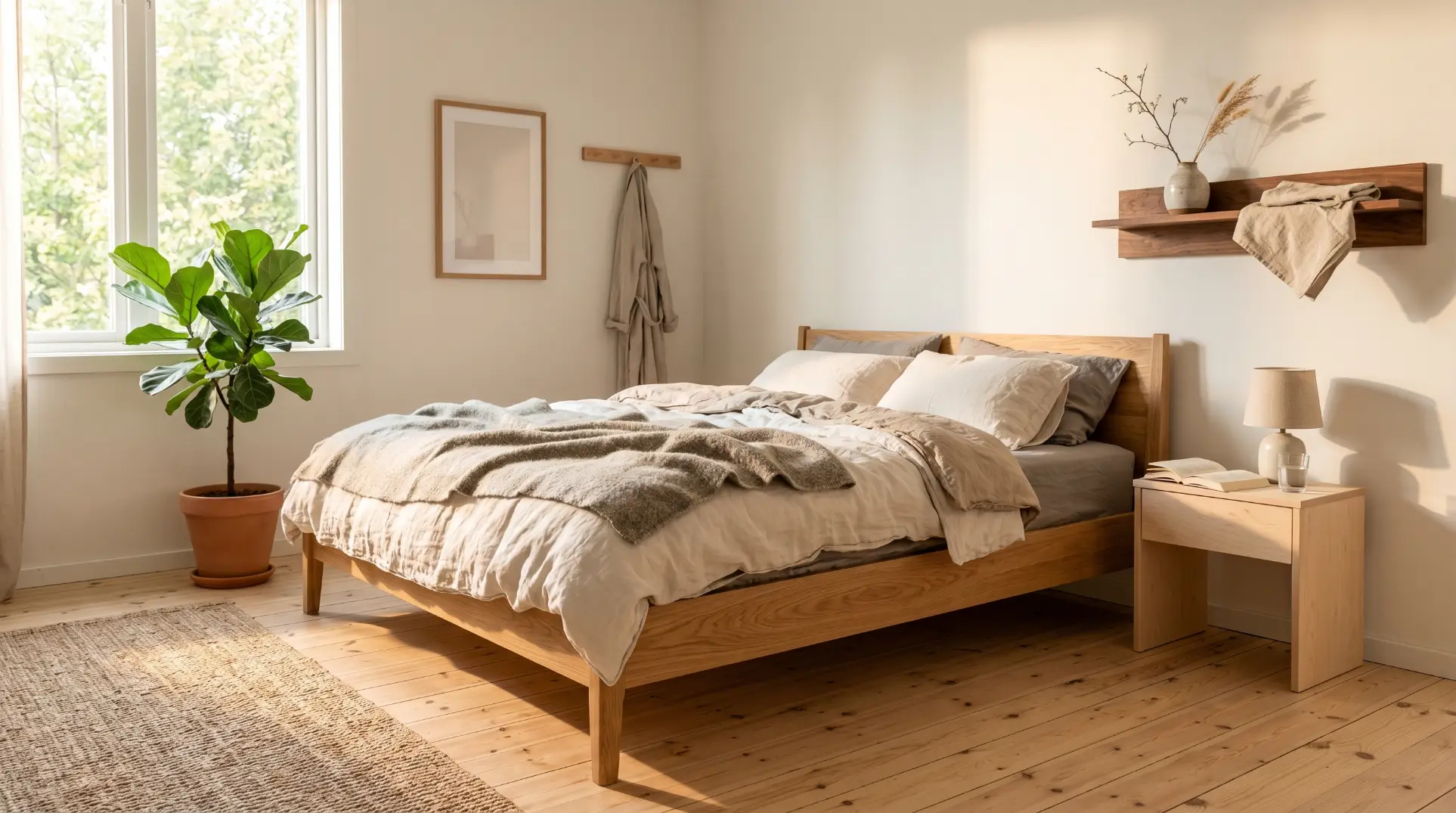
Hard floors are common in Scandinavian bedrooms, but a well-chosen rug brings warmth and texture to the space. A woven jute rug, a flat-weave Berber style, or a plush wool piece in a subtle geometric pattern placed beneath the bed anchors the room and adds a tactile layer underfoot. In 2026, oversized rugs that extend well beyond the edges of the bed are particularly fashionable, making the entire room feel softer and more defined.
7. Embrace Functional Storage
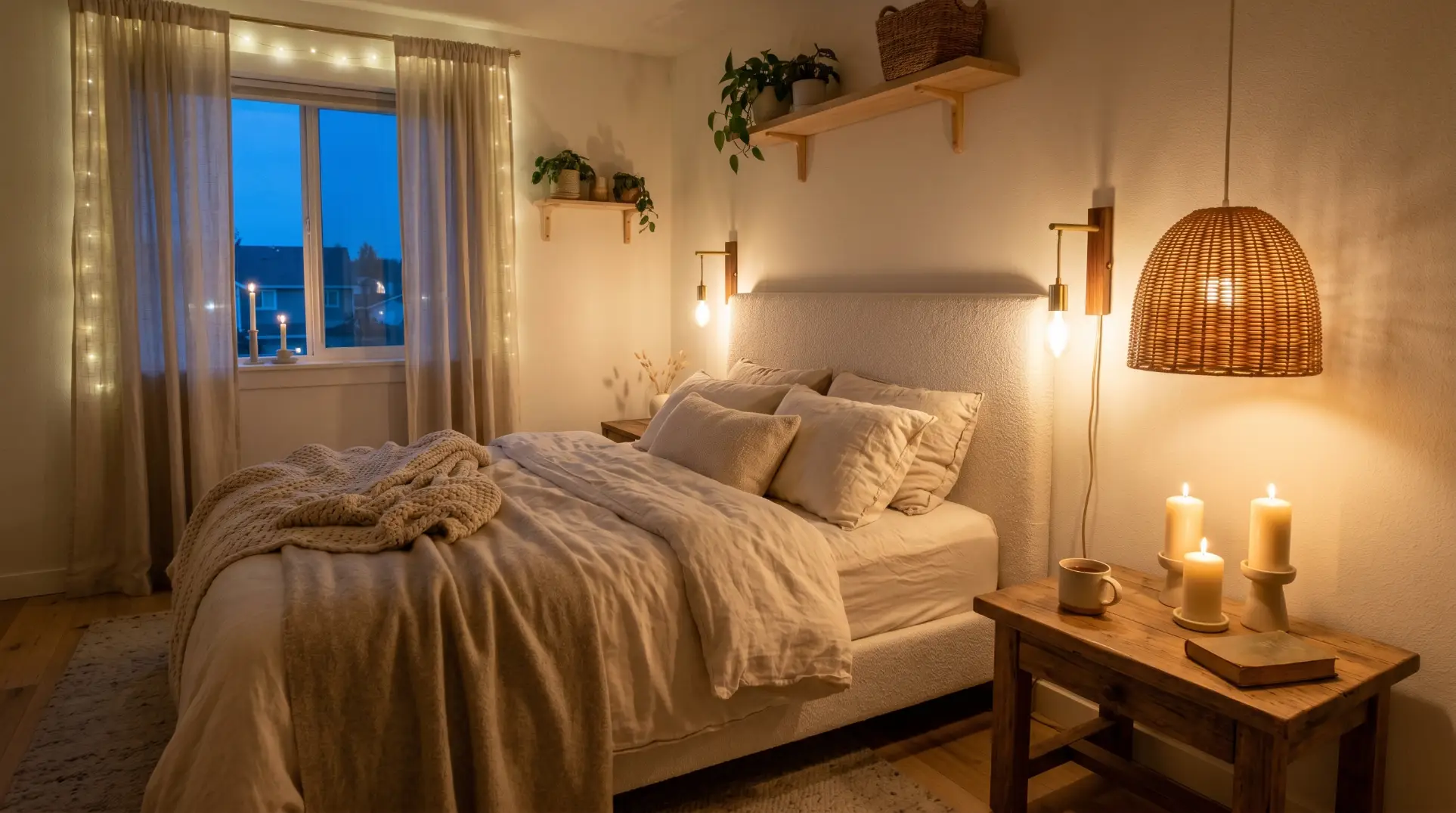
A cluttered room is the enemy of Scandinavian design. Built-in wardrobes with clean-lined doors, under-bed storage drawers, and minimal open shelving keep the bedroom organized and visually quiet. In 2026, freestanding furniture is experiencing a revival. A sleek armoire or a minimalist dresser in natural wood offers flexible storage while functioning as a design feature in its own right.
8. Bring Nature Indoors With Plants
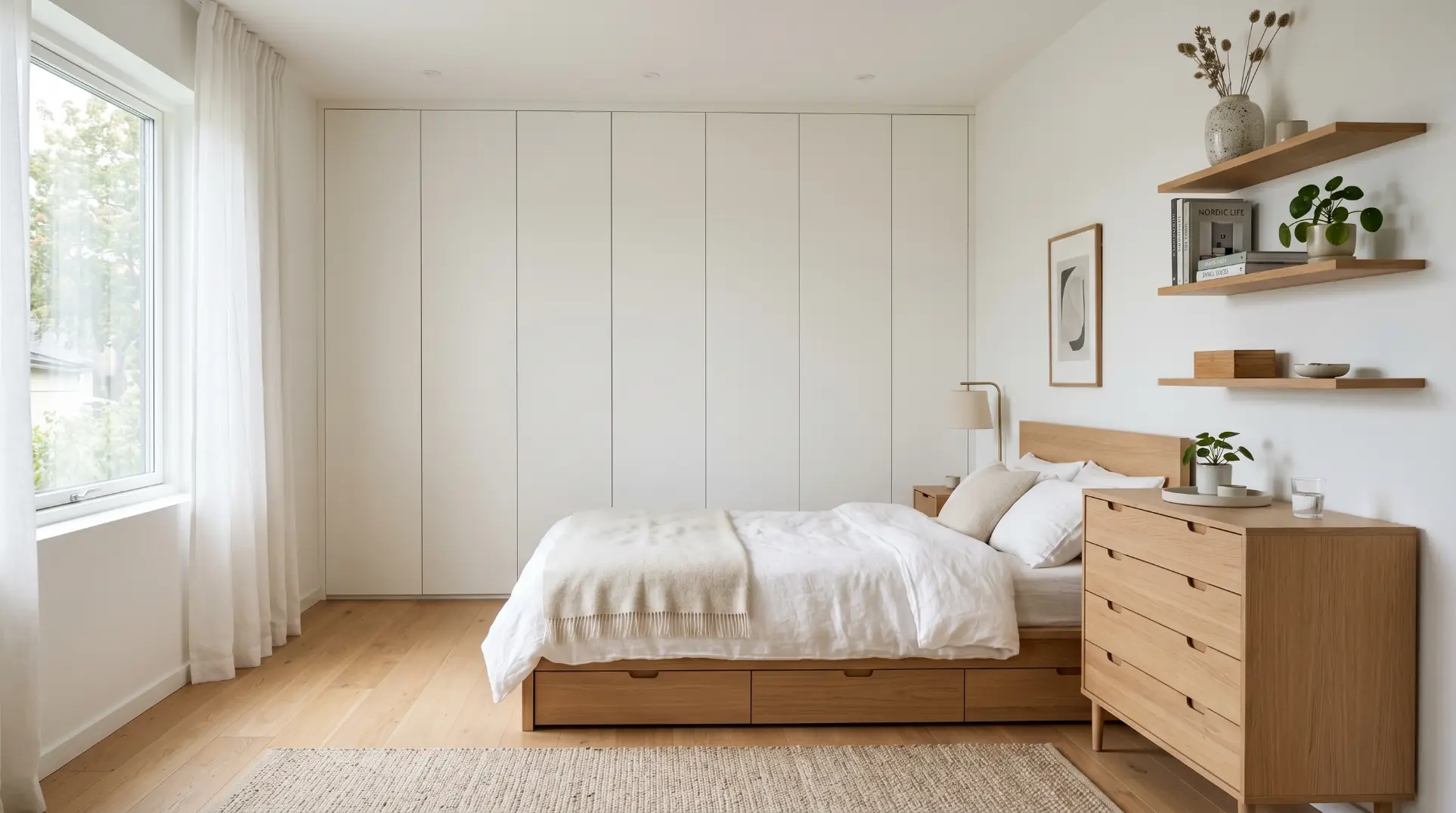
Biophilic design, the practice of connecting interior spaces to the natural world, sits at the heart of Scandinavian interiors. A single large potted plant in a ceramic planter, a trailing vine on a shelf, or a small cluster of dried pampas grass adds organic life to the bedroom without demanding much attention. Plants soften hard edges, improve air quality, and contribute to the grounded, earthy feeling that Nordic bedrooms are known for.
9. Try Muted Green or Clay Accent Walls
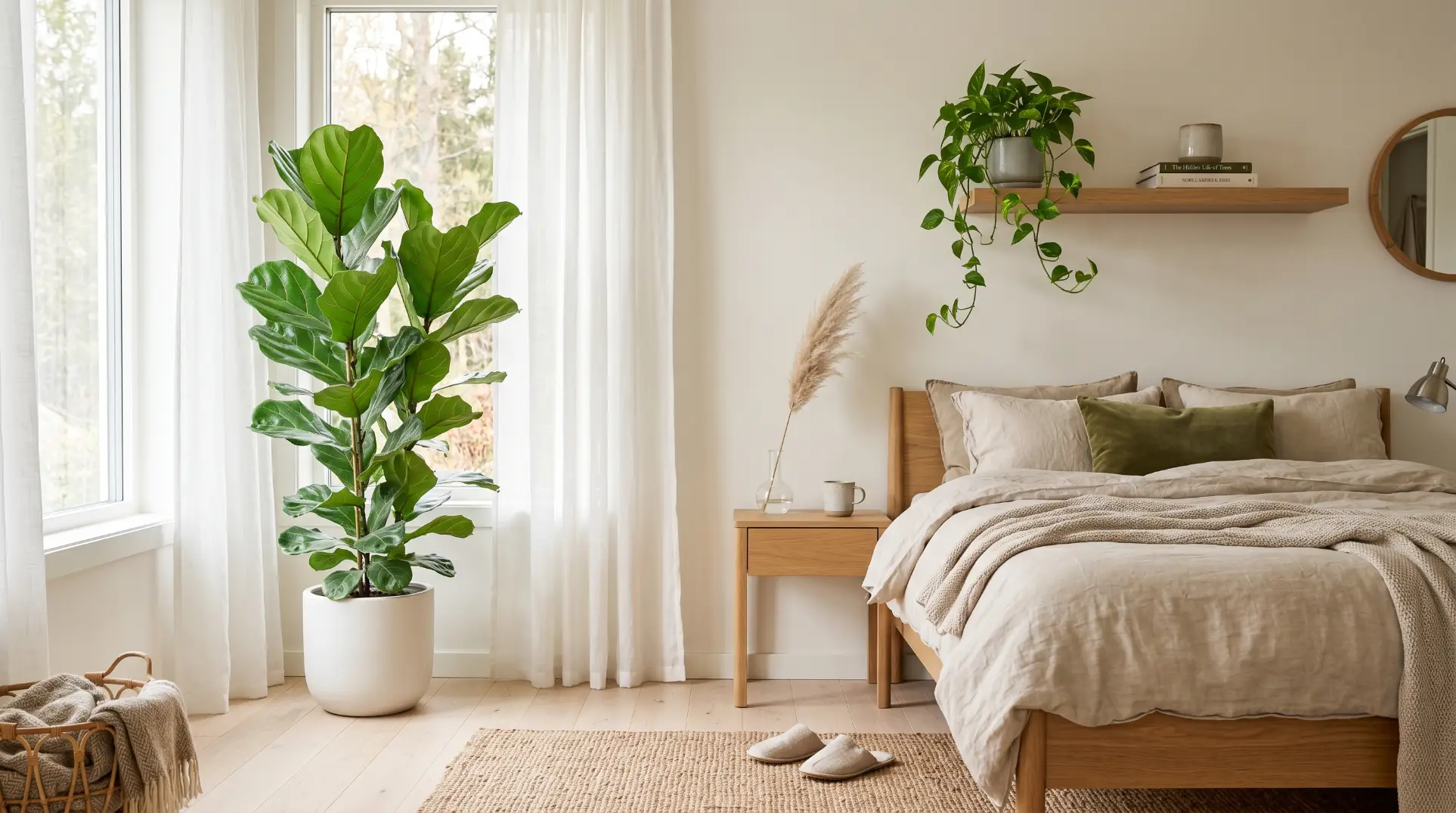
While white walls remain a classic backdrop, 2026 Scandinavian bedrooms are embracing subtle color with increasing confidence. Muted sage green, warm clay, dusty rose, and soft terracotta bring personality and a slightly earthy quality to the space without overwhelming the senses. These colors work especially well on a single feature wall behind the bed, creating a backdrop that feels intentional rather than decorative for its own sake.
10. Add Warmth with Hygge-Inspired Decor
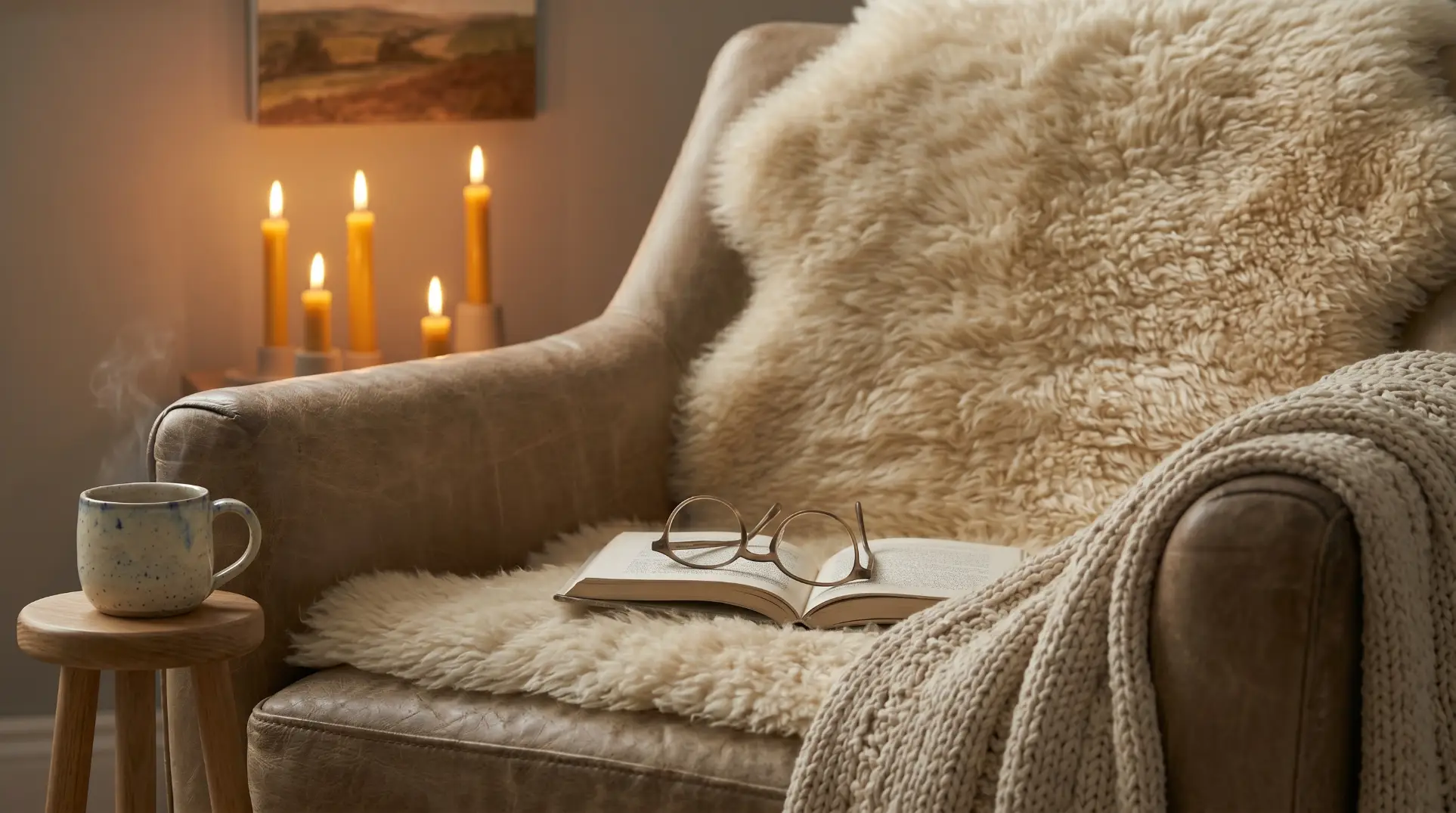
Hygge, the Danish concept of coziness and contentment found in simple pleasures, is a lifestyle philosophy that translates beautifully into bedroom decor. Think candles in simple ceramic holders, a stack of well-loved books on the nightstand, a hand-thrown pottery mug on the dresser, and a soft sheepskin draped over a reading chair. These small details transform a well-designed room into a genuinely personal sanctuary.
11. Opt for Linen Window Treatments
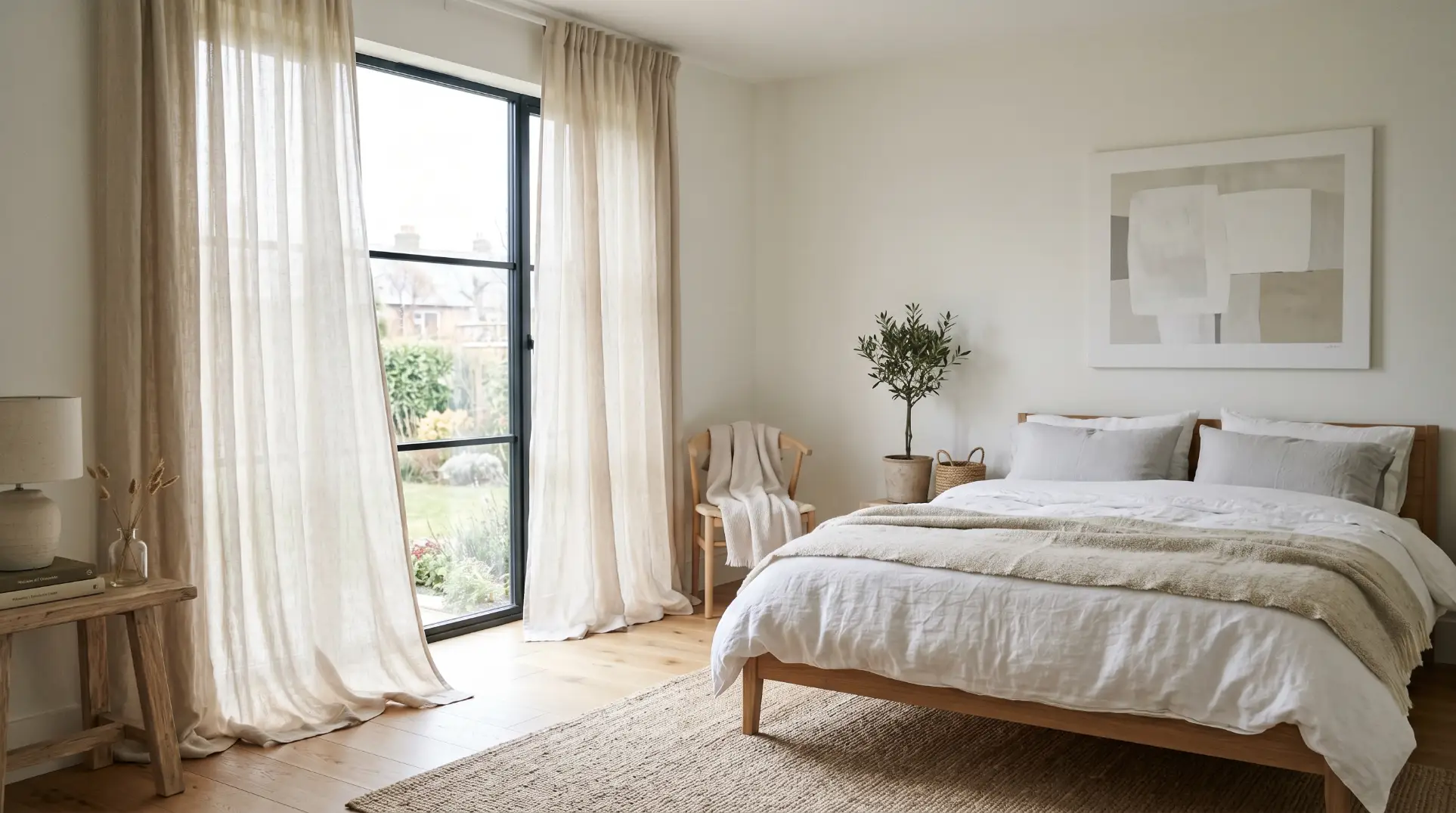
Heavy curtains have no place in a Scandinavian bedroom. Lightweight linen or cotton curtains in white, natural, or pale grey allow soft light to filter through while maintaining privacy. They move gently with a breeze and create a dreamy, diffused quality of light that is impossible to replicate with any other window treatment. In 2026, floor-length linen panels that pool slightly at the base are particularly desirable.
12. Introduce Japandi Accents
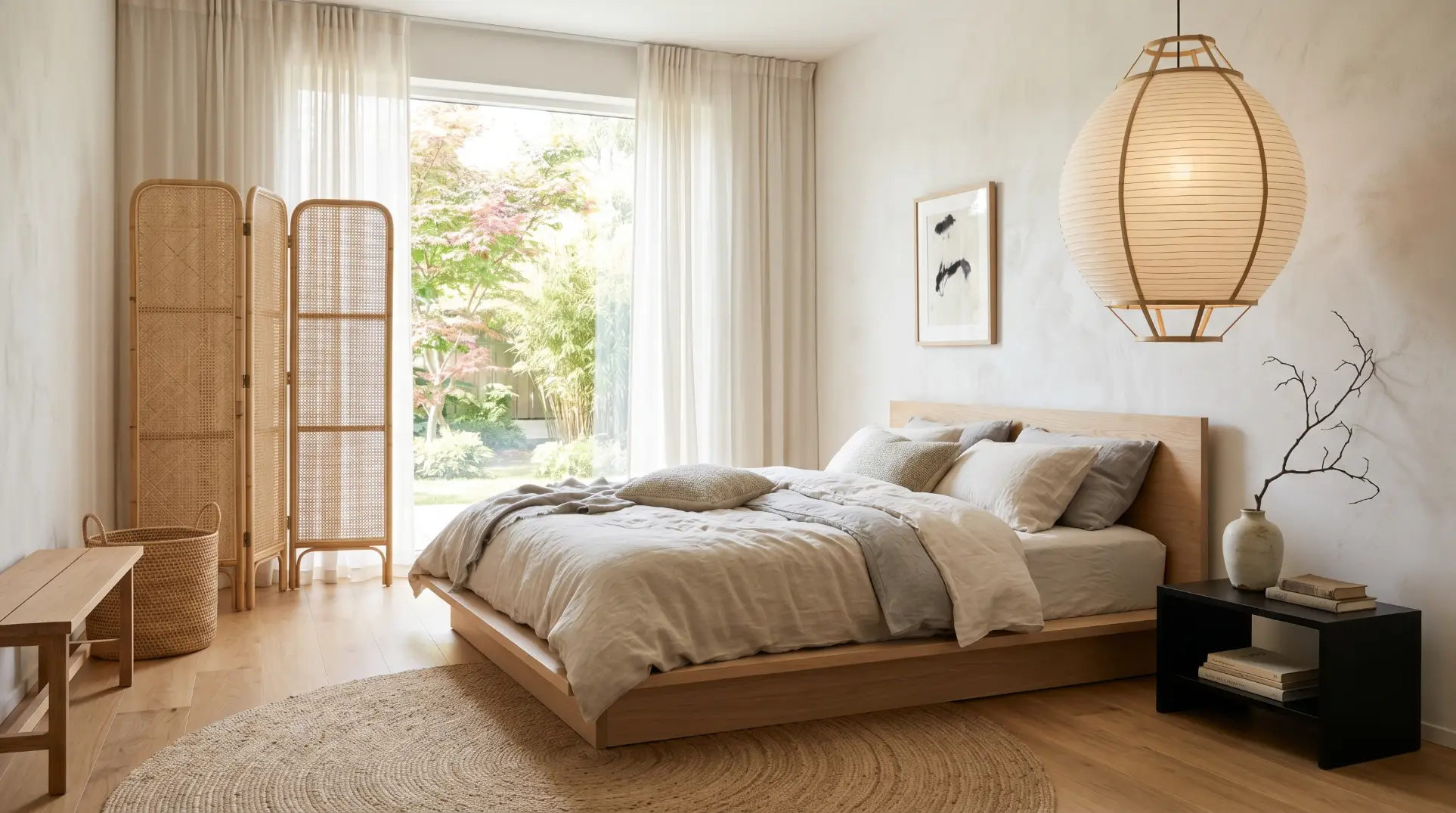
The Japandi aesthetic, a fusion of Japanese wabi-sabi philosophy and Scandinavian minimalism, is one of the most influential design movements of the decade. In bedroom terms, this means incorporating elements like an oversized paper lantern, a low lacquered side table, bamboo or rattan accessories, and a restrained approach to decor. The result is a room that feels simultaneously of both worlds and deeply serene.
13. Use Pendant Lighting as a Design Statement
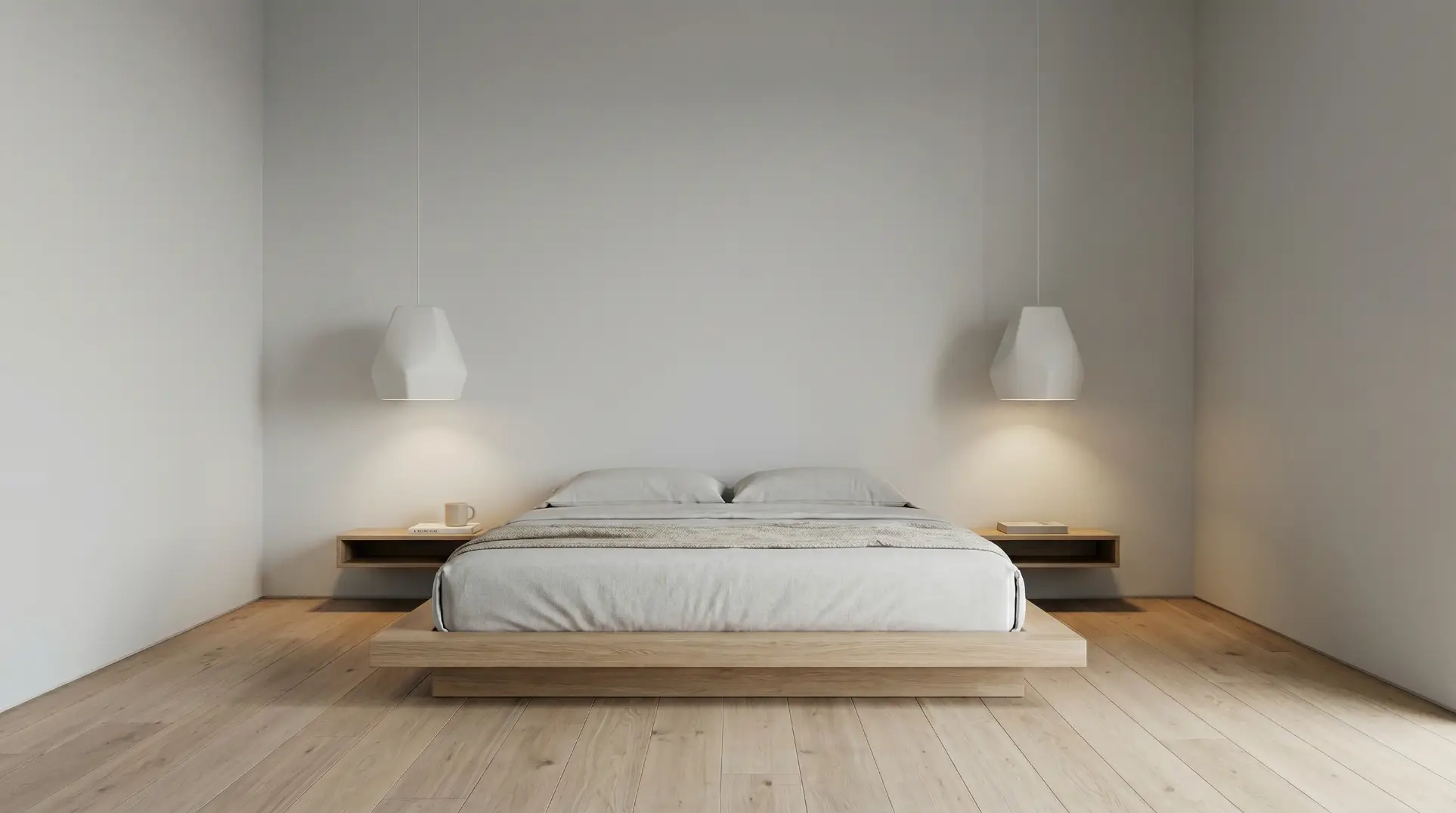
A single, well-chosen pendant light can define the entire character of a Scandinavian bedroom. In 2026, organic pendants in woven rattan, sculptural paper, or matte ceramic are particularly popular. Hung low over each side of the bed in place of traditional bedside lamps, they free up surface space and create an intimate, hotel-like atmosphere.
14. Decorate With Thoughtfully Chosen Art
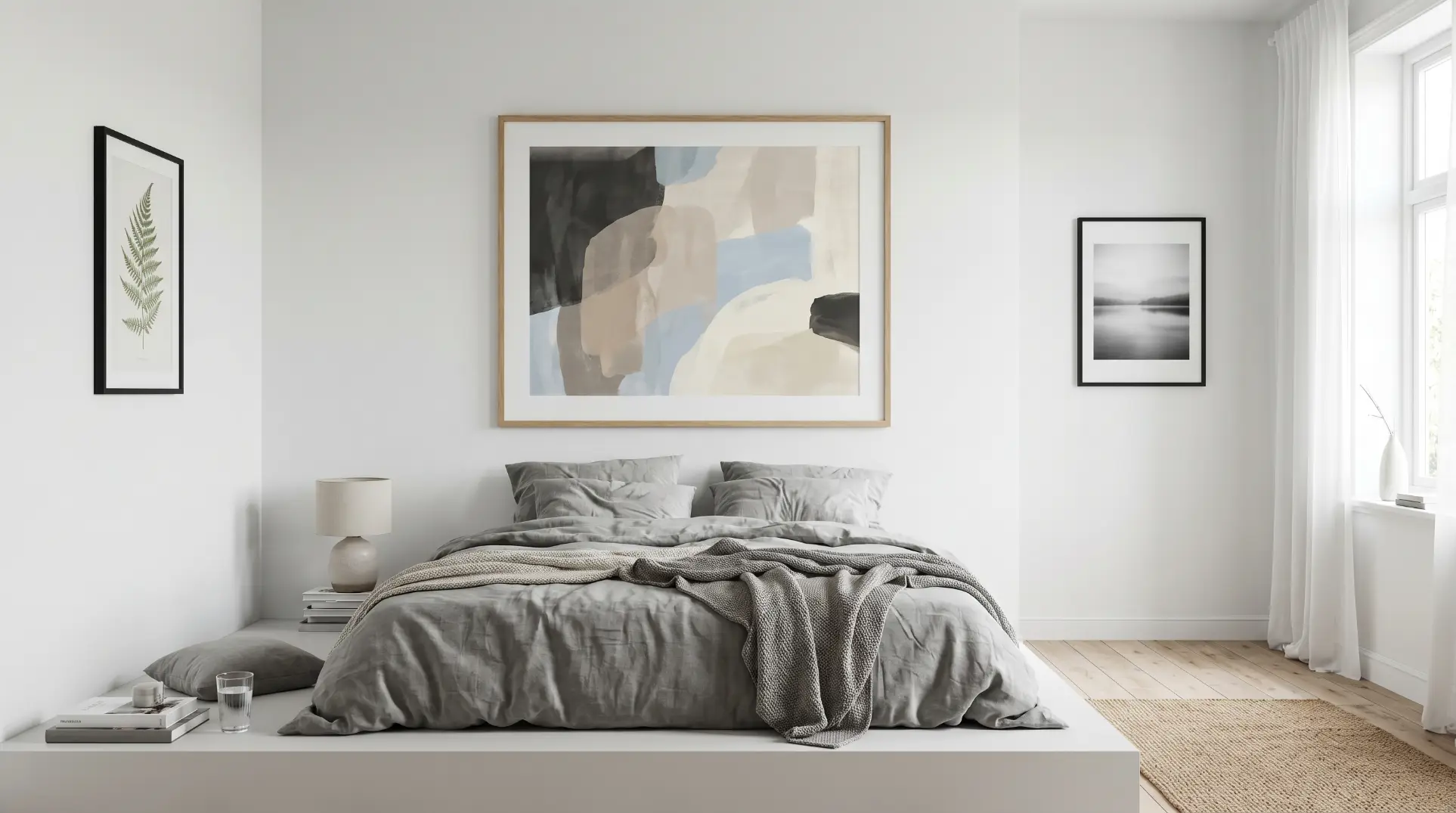
Scandinavian bedrooms are not without art, but the approach to wall decor is carefully edited. A single large-scale abstract print in muted tones, a simple botanical illustration, or a framed black-and-white photograph carries more weight than a crowded gallery wall. Keep frames simple, slim, and consistent in finish, and allow each piece room to breathe.
15. Explore Dark Scandinavian Aesthetics
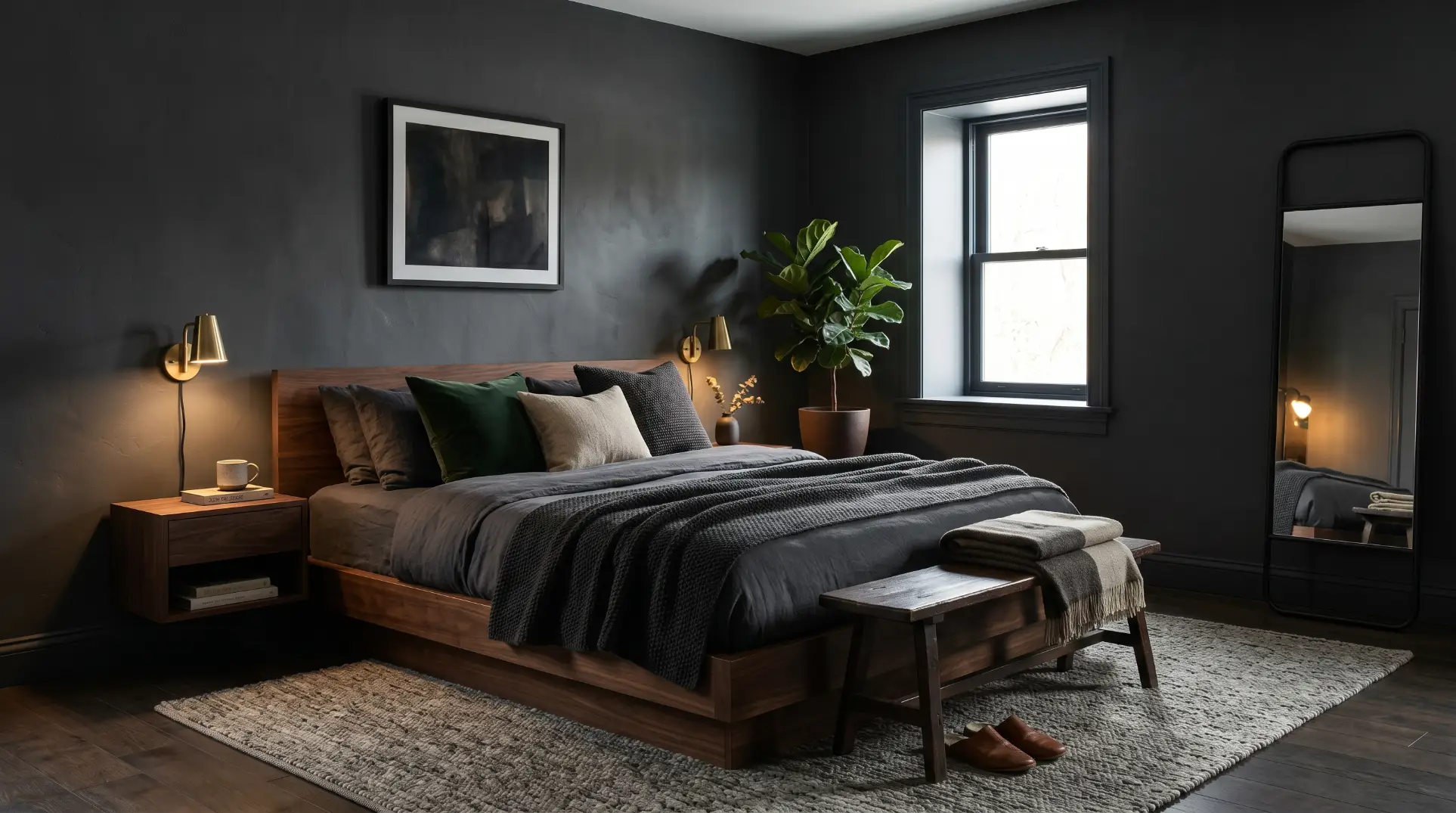
Not all Nordic bedrooms are bright and airy. The dark Scandinavian or moody Nordic aesthetic leans into deep charcoal walls, rich walnut furniture, weathered textures, and dramatic lighting. This approach creates an intimate, cave-like atmosphere that is perfect for rest. Balanced with warm wood tones and soft textiles, dark Scandinavian bedrooms feel sophisticated and deeply calming.
16. Maximize Natural Light
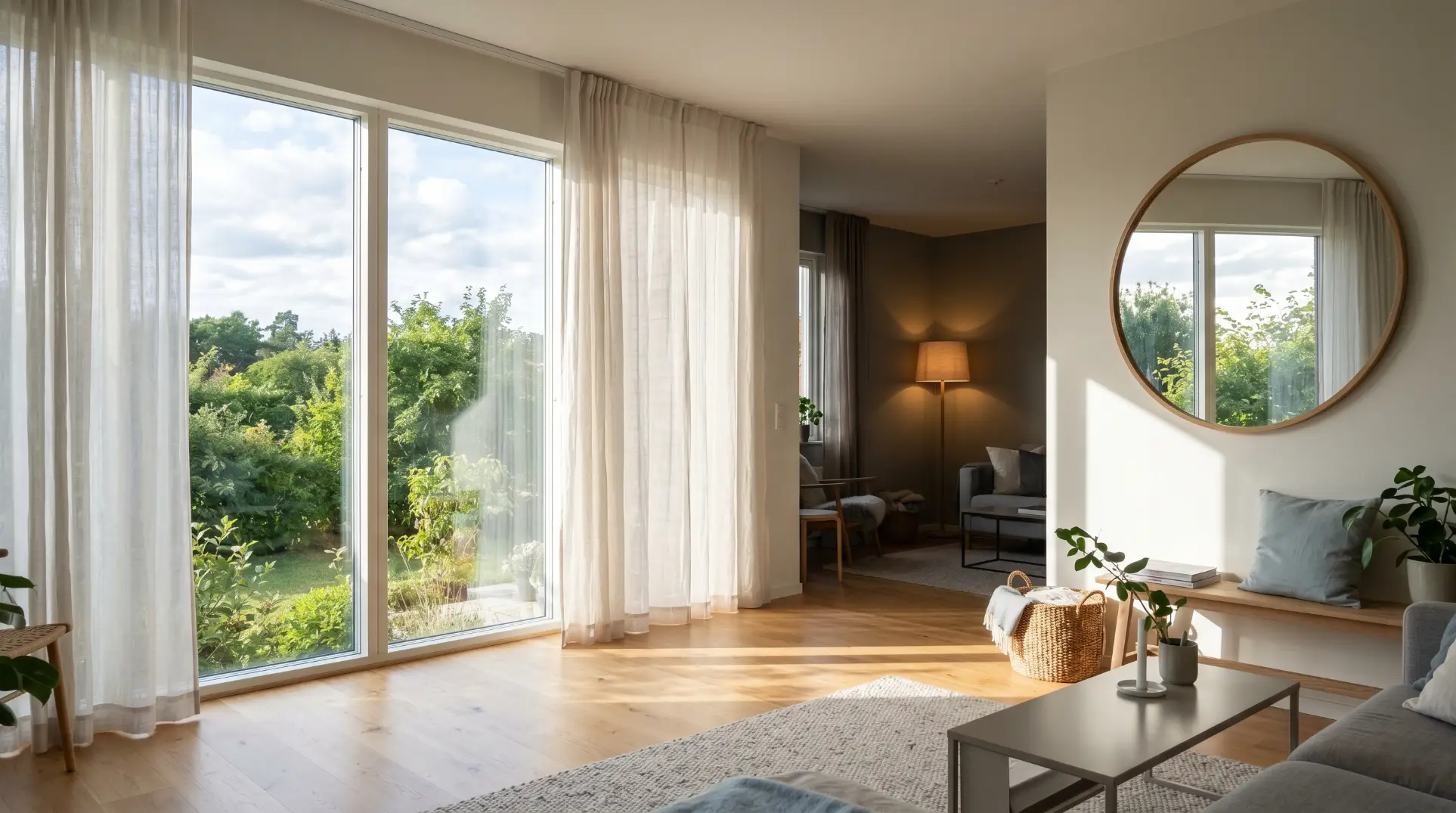
Scandinavian interiors are engineered around natural light. Keep window areas clear of bulky furniture, use mirrors strategically to reflect sunlight deeper into the room, and choose sheer fabrics over heavy window treatments. In rooms with limited natural light, warm-toned bulbs in the 2700K to 3000K range mimic the quality of daylight without creating harshness.
17. Design a Cozy Reading Nook
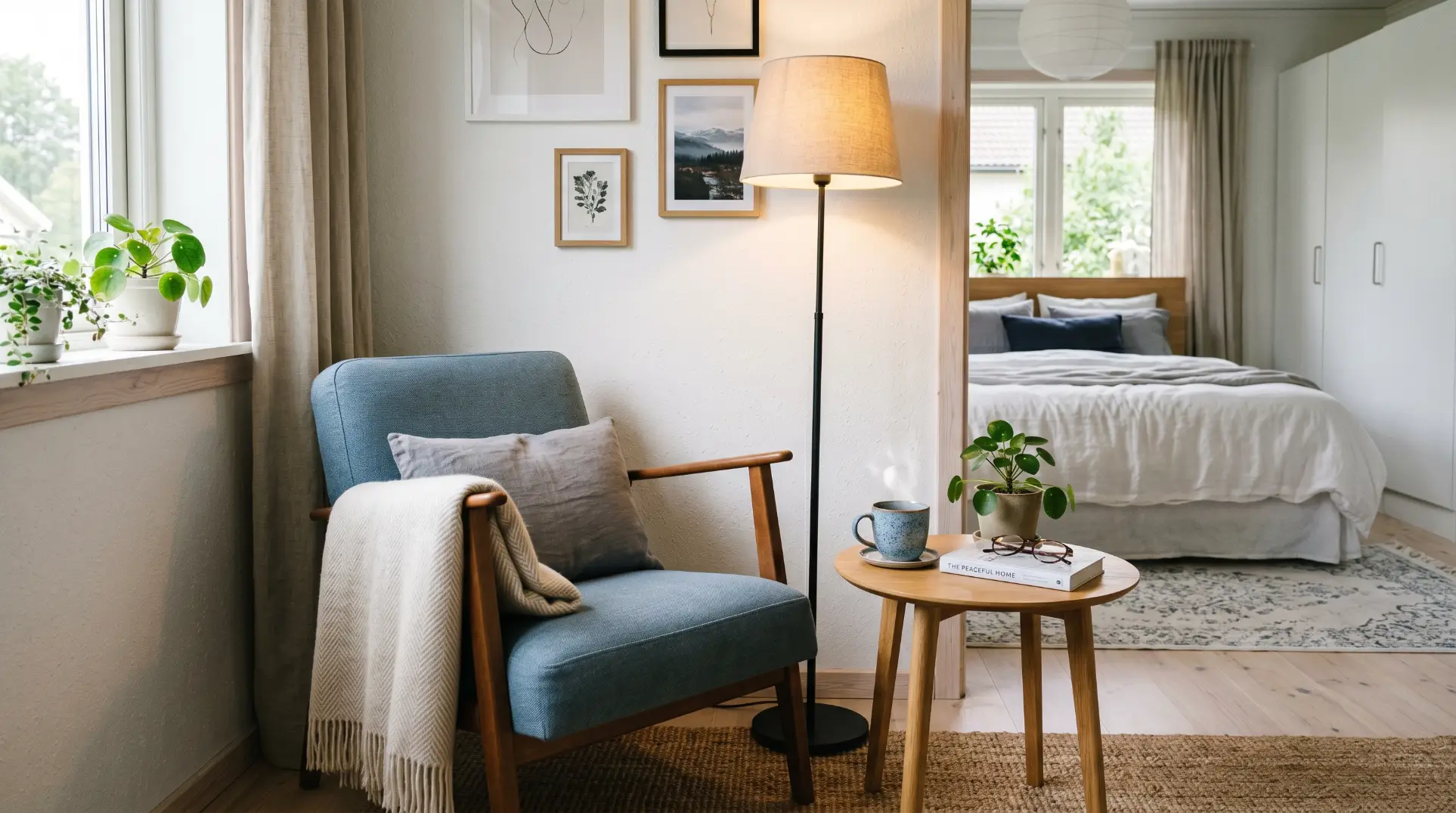
A small reading corner adds enormous personality to a Scandinavian bedroom. A mid-century style armchair upholstered in muted grey or dusty blue, a simple floor lamp beside it, a small side table for a cup of tea, and a soft blanket draped over the arm transforms an unused corner into the most appealing spot in the room.
you may also like this: 19 Creative Ideas for Contemporary Coastal Living Room Setup
18. Choose Furniture With Clean Lines
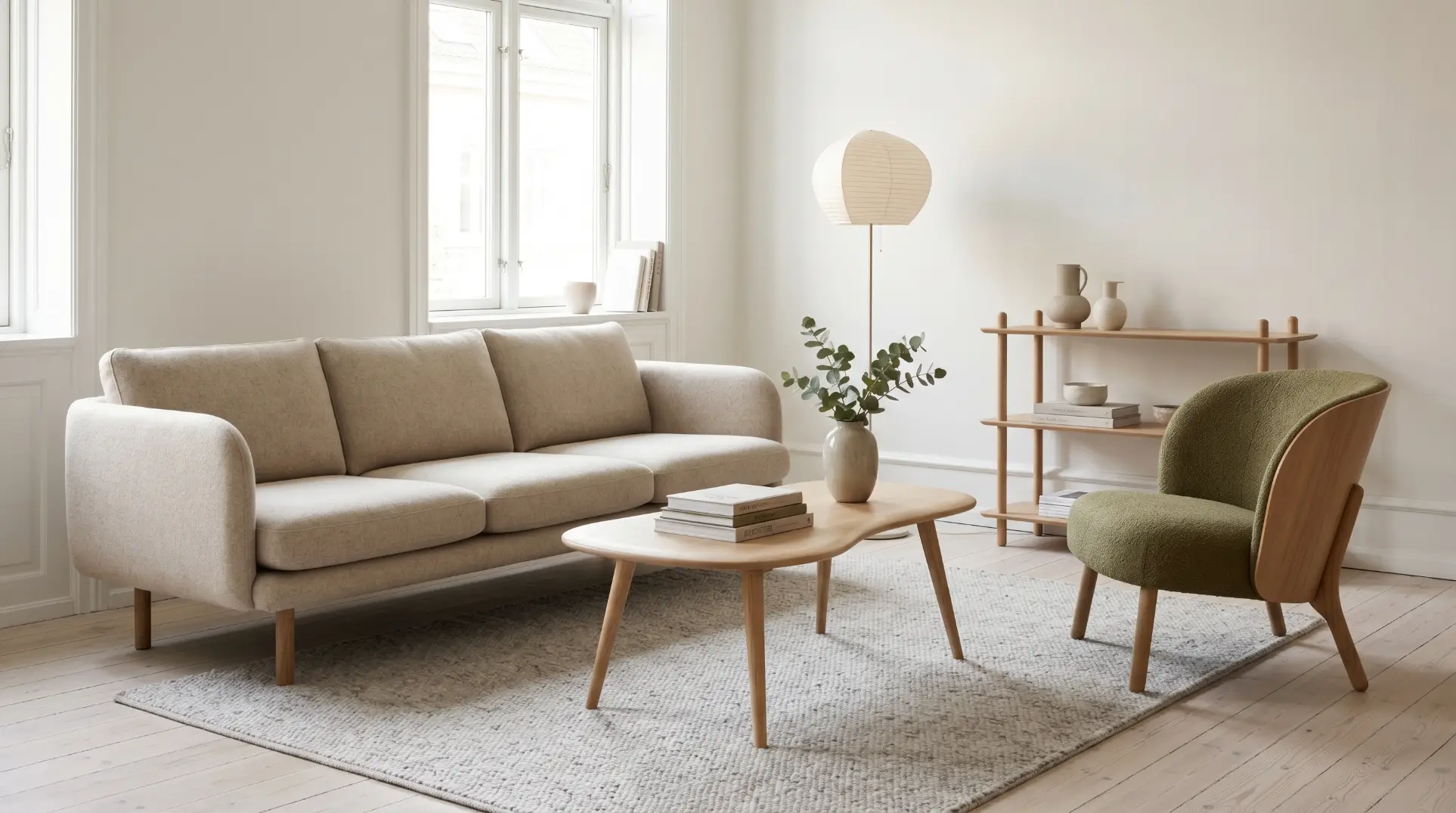
Scandinavian furniture design is defined by its honesty of form. Pieces have clean, simple silhouettes with tapered legs, smooth surfaces, and minimal ornamentation. In 2026, there is a growing appreciation for gentle curves and organic shapes alongside the traditional linear forms, adding a softness that makes rooms feel more welcoming. Avoid anything that looks overly ornate or decoratively complex.
19. Keep Surfaces Deliberately Uncluttered
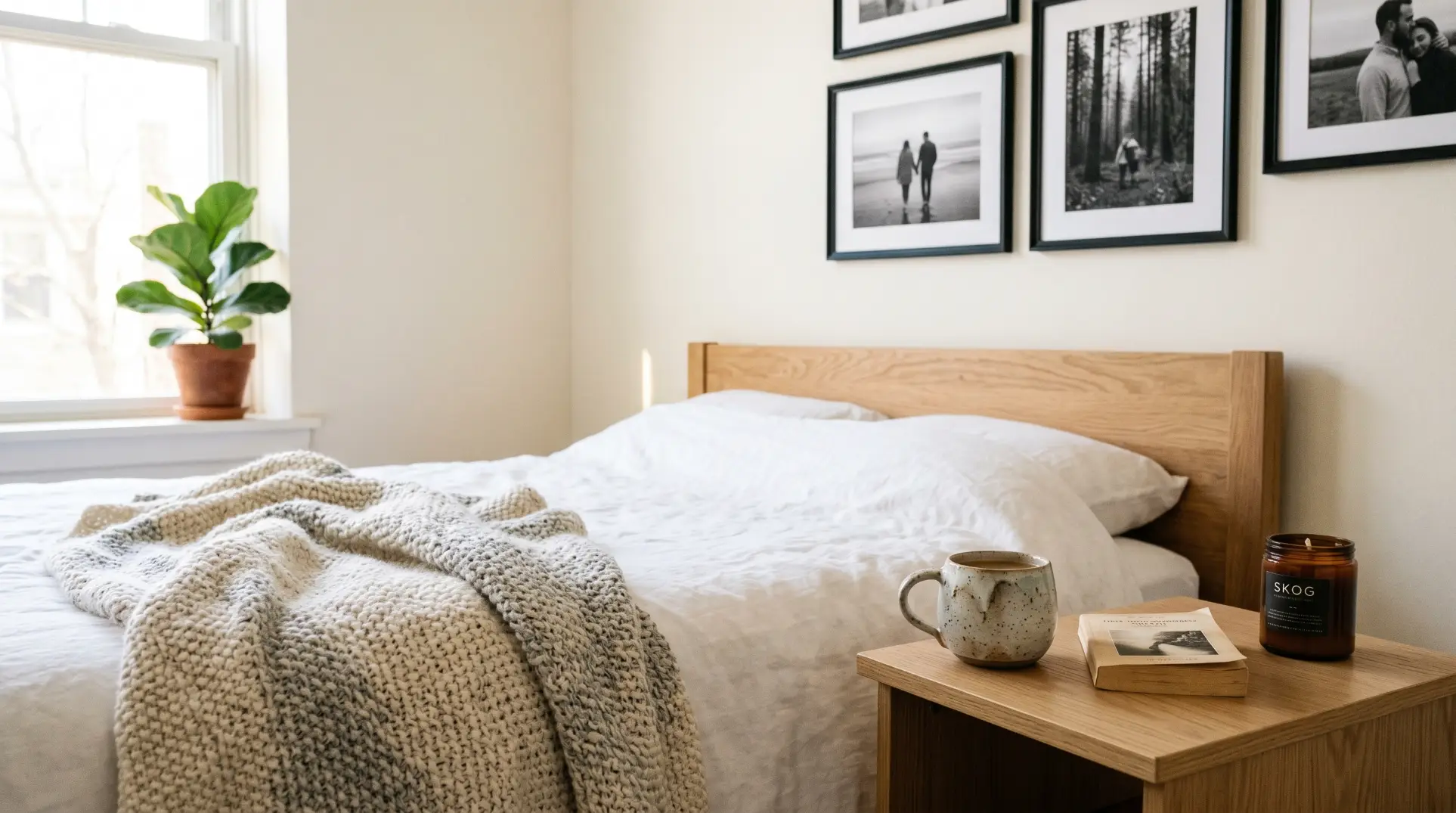
Every surface in a Scandinavian bedroom should be intentional. A nightstand might hold a lamp, one small plant, and a single book. A dresser top might display a ceramic vase and nothing else. This discipline is not about being sparse for its own sake but about creating visual breathing room. When every object is chosen deliberately, the room communicates confidence and calm.
20. Personalize With Meaningful Small Details
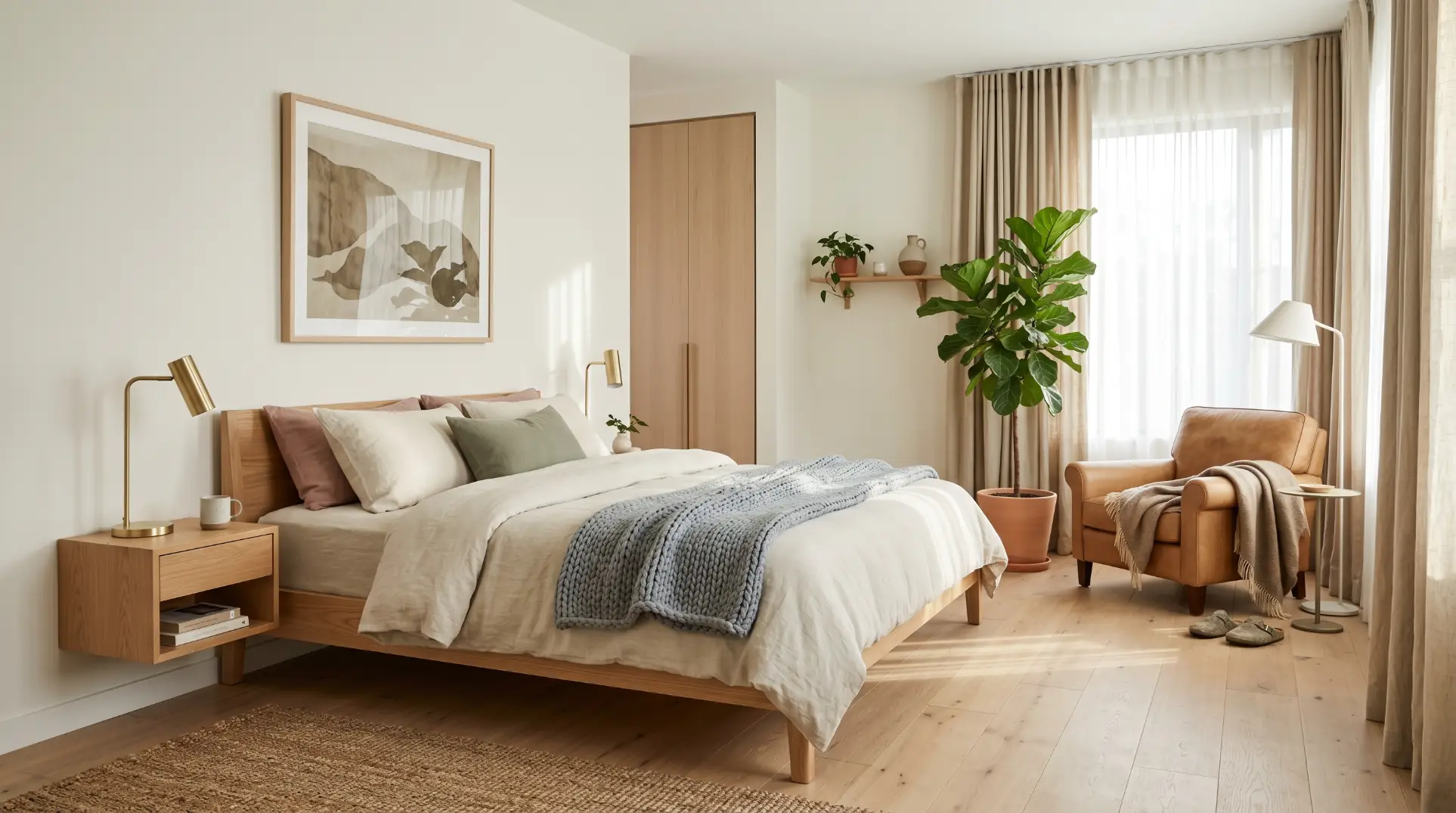
The greatest misconception about Scandinavian design is that it must be impersonal. The opposite is true. Nordic interiors invite deeply personal expression through small, meaningful details. A hand-knit throw made by someone you love, a piece of pottery from a local artisan, a photograph printed in soft tones, or a candle from a favorite brand all add character without creating noise. These are the details that make a beautifully designed bedroom feel like it belongs to you.
Conclusion
Scandinavian bedroom design endures because it understands something fundamental about human nature. We sleep better, feel calmer, and live more intentionally when our surroundings are thoughtfully arranged. In 2026, the Nordic approach to bedroom design continues to evolve, embracing warmer tones, more personal touches, and a greater emphasis on tactile comfort while holding true to its founding principles of simplicity, function, and beauty. Whether you implement one idea from this list or all twenty, the result will be a bedroom that feels genuinely restorative. That, after all, is the entire point.
Frequently Asked Questions
Q1. What colors are most used in a Scandinavian bedroom?
Scandinavian bedrooms primarily use neutral tones such as white, off-white, warm grey, beige, and cream. In 2026, soft muted greens, clay, and dusty terracotta are popular as accent colors that add personality without disrupting the room’s calm.
Q2. What is hygge and how does it relate to bedroom design?
Hygge is a Danish and Norwegian concept that describes a feeling of coziness, warmth, and contentment in simple pleasures. In a bedroom context, it translates into soft lighting, layered textiles, candles, natural materials, and personal touches that make the space feel genuinely comforting rather than just visually appealing.
Q3. Can a small bedroom be decorated in a Scandinavian style?
Absolutely. Scandinavian design is actually ideal for smaller spaces because it prioritizes function, open floor space, and visual simplicity. A low-profile bed, built-in or under-bed storage, a minimal color palette, and strategic use of mirrors can make a compact bedroom feel far more spacious and serene.
Q4. What type of furniture works best in a Scandinavian bedroom?
Look for furniture with clean lines, tapered legs, smooth surfaces, and minimal ornamentation. Light oak, birch, and walnut are the most characteristic materials. Low-profile beds, simple nightstands, and streamlined wardrobes are the core pieces of any well-executed Nordic bedroom.
Q5. How is Japandi different from Scandinavian bedroom design?
Scandinavian design emphasizes coziness, functionality, and light-filled spaces. Japandi blends these principles with Japanese wabi-sabi philosophy, which celebrates imperfection, impermanence, and natural materials in a more contemplative way.