

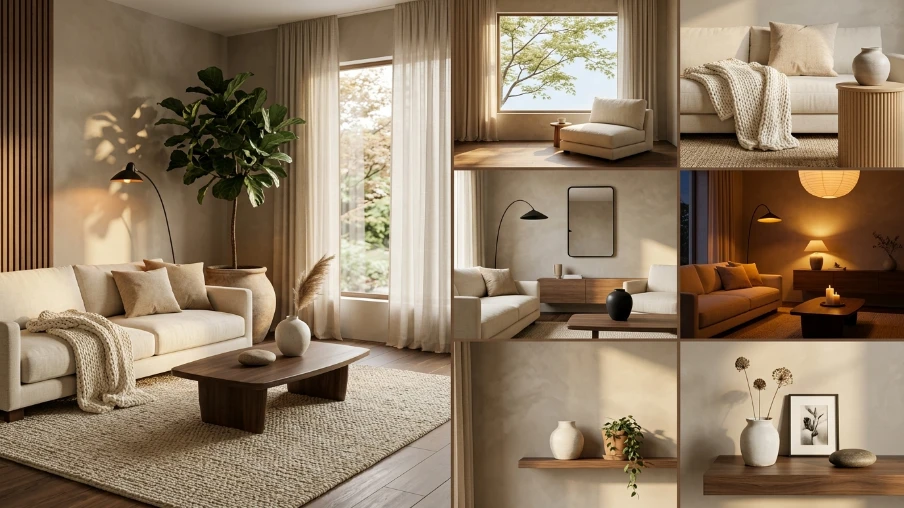
15 Japandi Living Room Ideas for a Cozy Modern Look 2026 Now
There is a particular kind of room that makes you exhale the moment you walk into it. Not because it is empty or cold or stripped of everything that makes a space feel lived in, but because everything in it has been chosen with genuine care and placed with intention. That is the feeling that a well executed japandi living room produces, and it is the reason this design philosophy has grown from a niche aesthetic preference into one of the most consistently requested interior styles of the modern era. Japandi is where Japanese minimalism meets Scandinavian warmth, blending the clean zen aesthetic of Japanese interiors with the coziness and functionality of Scandi design. In 2026, the japandi living room is not simply holding its ground as a trend. It is evolving, deepening, and becoming more sophisticated with every passing season. The following 15 ideas capture exactly where this beautiful design philosophy stands right now and how you can bring it into your own home with confidence and clarity.
The word minimalism carries a certain coldness for many people, a vision of white walls, hard surfaces, and a room that feels more like a concept than a home. The japandi living room is not that. It is something considerably warmer, more layered, and more genuinely livable.
The magic of Japandi lies in its balance, where Japanese minimalism focuses on wabi-sabi which is finding beauty in imperfection and simplicity, while Scandinavian design contributes hygge which is a sense of cozy contentment. The result of combining these two philosophies in a living room is a space that feels both calm and warm, both spare and rich in texture, both considered and entirely comfortable to live in every day.
Japandi style in 2026 is maturing, shifting away from the perfectly sterile look toward something deeper richer and far more sensory, with designers calling this evolution quiet luxury with purpose, no longer just about how a room looks in a photo but about how it feels to live in it.
1. Build Your Foundation with a Neutral Earthy Color Palette
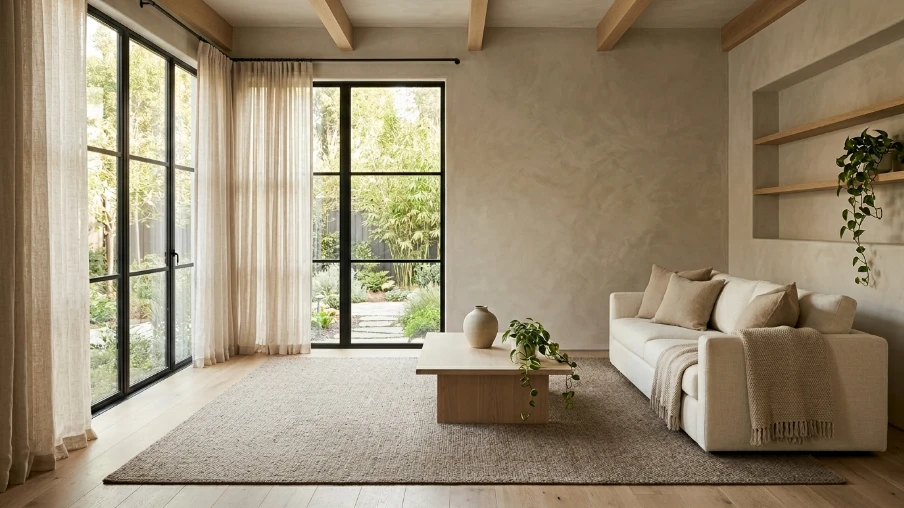
Every successful japandi living room begins with its color palette, and in 2026 that palette has evolved beyond simple white and beige. Japandi living rooms use neutral warm tones that instantly create a sense of calm, and if decorating a small apartment one can paint the walls a warm greige and choose a light oak TV console or coffee table as these tones reflect natural light beautifully. Warm greige, soft ivory, dusty taupe, and gentle clay tones form the most effective japandi color foundations. These shades work together to create a room that feels unified and restful without feeling monotonous.
2. Choose Low Profile Furniture for a Grounded Feeling
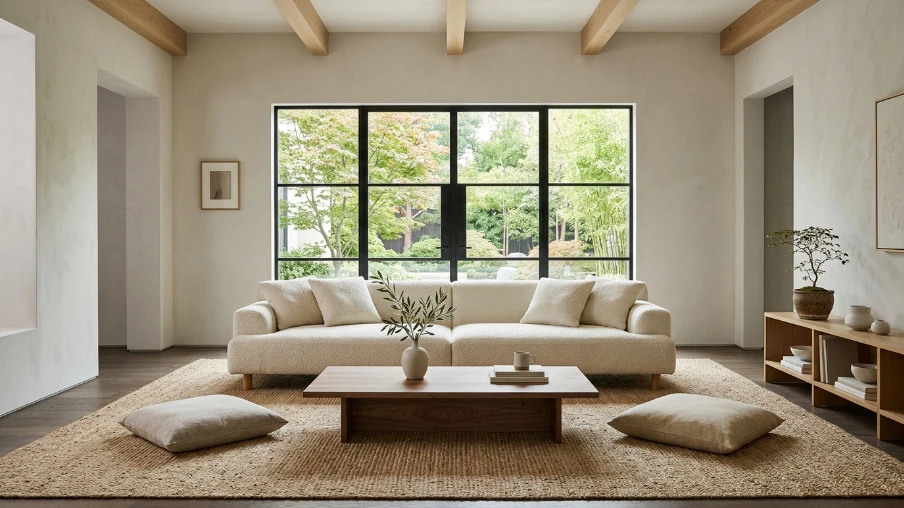
One of the most immediately recognizable qualities of a japandi living room is its relationship to the floor. If a living room feels cramped the furniture height may be the issue and choosing a sofa with exposed legs lifts the design and stops the space from feeling heavy. Low profile sofas, floor level cushions, and coffee tables that sit close to the ground create a visual calm that higher furniture simply cannot replicate. The Japanese practice of living closer to the floor is one of the most powerful tools available in japandi interior design.
3. Embrace Dark Wood Tones for Depth and Character
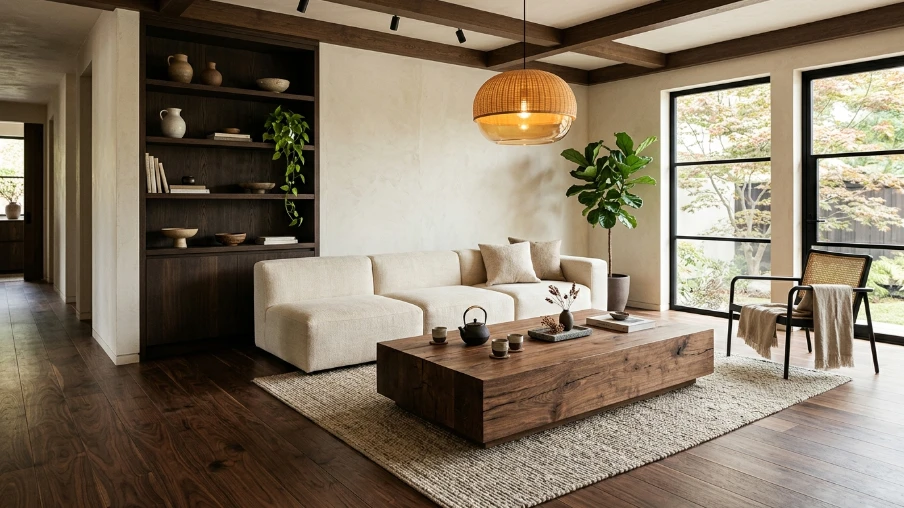
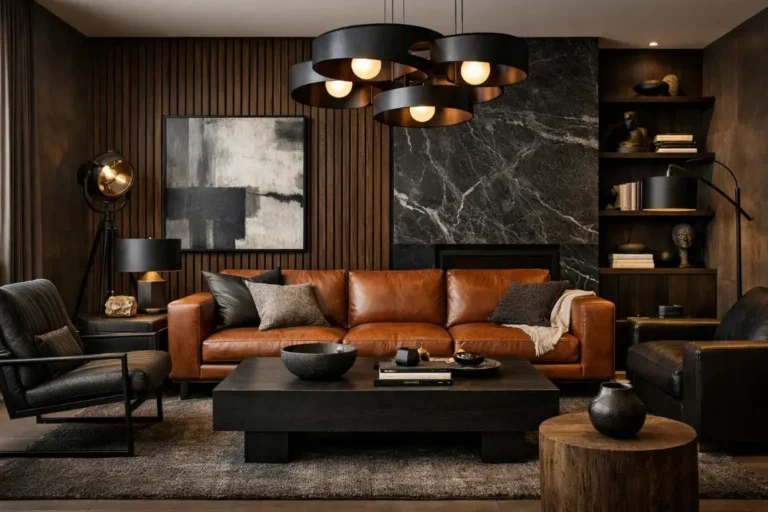
While light ash and birch will always have a place in traditional Scandi design, 2026 Japandi embraces darker timber with enthusiasm, with walnut smoked oak and espresso tones becoming the standard for flooring cabinetry and statement furniture, providing a visual weight that light woods lack and creating a sense of permanence and history. A walnut coffee table or smoked oak shelving unit brings a richness to the japandi living room that feels grounded and genuinely luxurious rather than simply minimal.
4. Layer Natural Textures Instead of Color
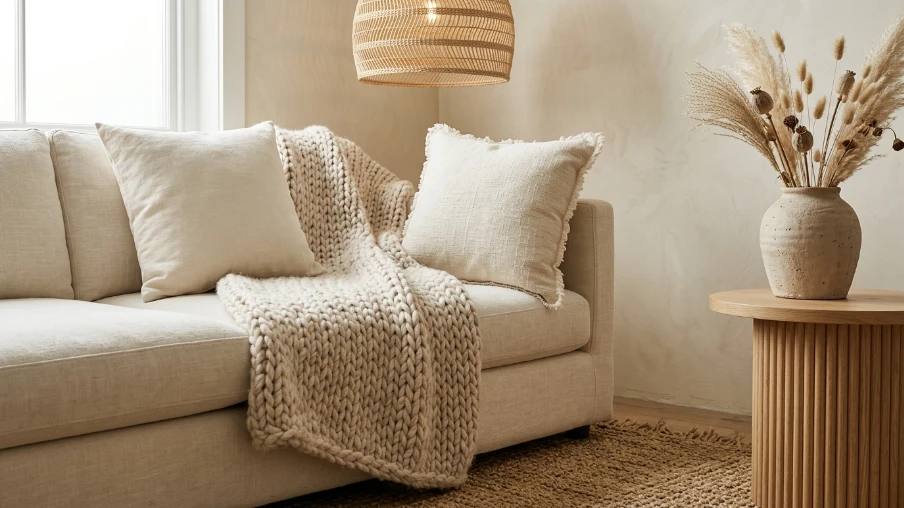
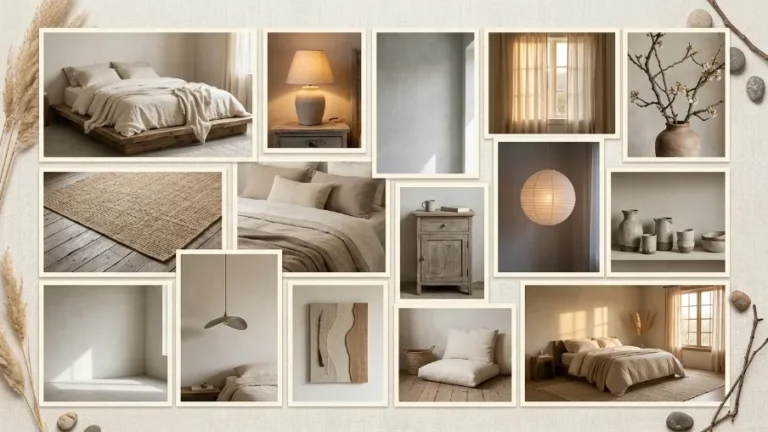
In a japandi living room, texture does the work that color does in more maximalist spaces. Layered neutrals including cream upholstery woven textiles and soft brown accents create dimension through texture rather than color contrast, with fluted wood coffee tables introducing rhythmic detailing while botanical elements add freshness without excess. A linen sofa, a wool area rug, a ceramic vase, and a rattan side table all in the same neutral tone family create extraordinary visual richness through the interplay of their different surfaces and materials.
5. Incorporate Handmade Ceramics as Meaningful Decor
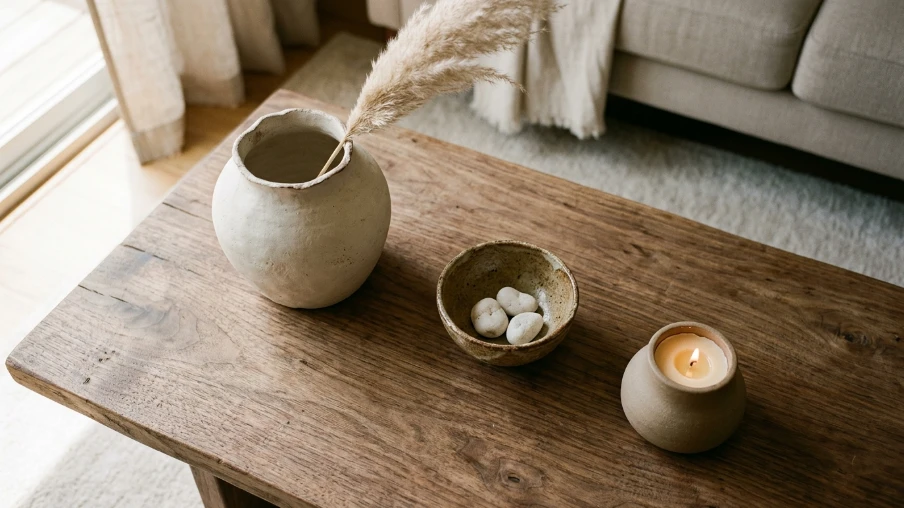
Handcrafted ceramics made from materials like clay embody wabi-sabi concepts and showcase the beauty of craftsmanship, serving diverse purposes including as art displays. A single handmade ceramic vase on a low console, a rough textured bowl on the coffee table, or a set of imperfectly shaped ceramic vessels on a floating shelf all carry the wabi-sabi spirit of finding beauty in the handmade and the imperfect. These objects bring soul to the japandi living room in a way that mass produced decor never could.
6. Use a Statement Sofa as Your Room Anchor
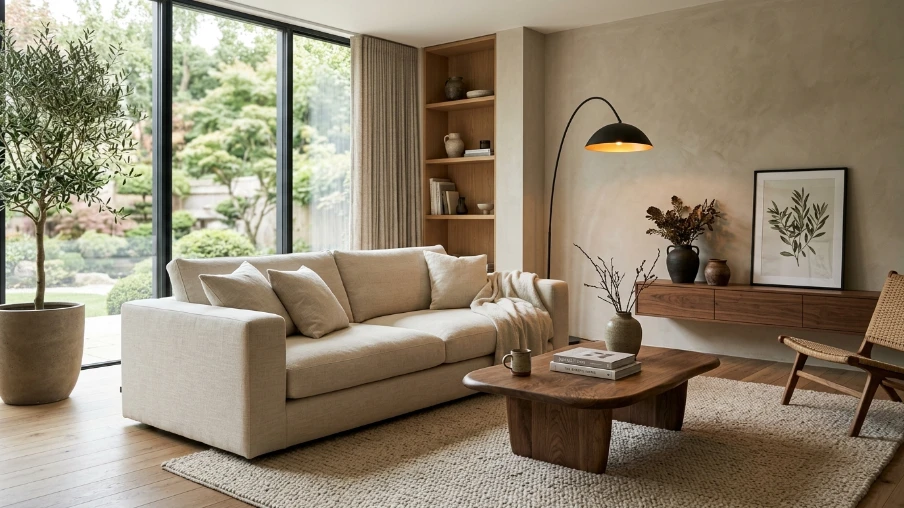
A low profile cream sofa anchors the room with clean geometry and generous proportions paired with a sculpted oak coffee table that highlights natural grain and craftsmanship, with matte black accents from the arched floor lamp to the cylindrical stove introducing contrast without overpowering the palette. The sofa is the largest piece in any living room and in the japandi space it should be chosen for its quality of material, its simplicity of line, and its ability to anchor the room without dominating it. Natural linen, warm boucle, or soft wool upholstery in ivory, sand, or warm taupe all work beautifully.
7. Bring Nature Indoors with Intentional Biophilic Elements
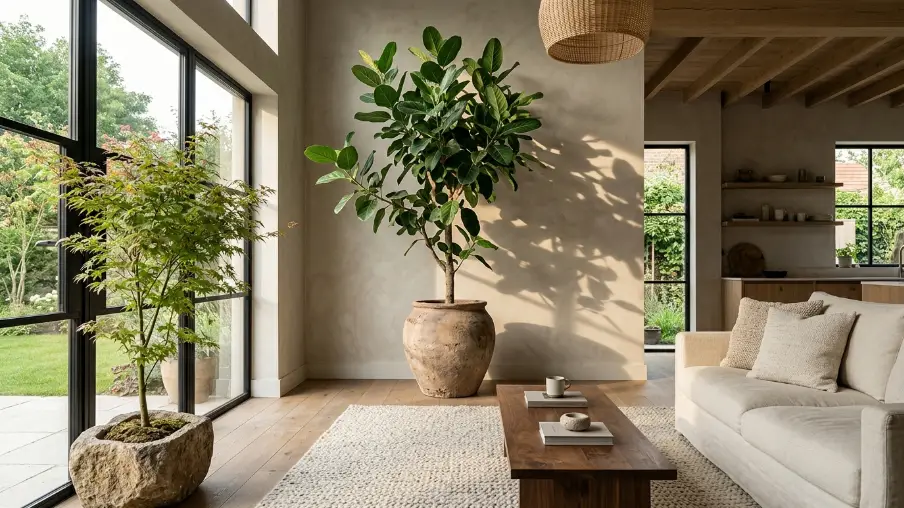
Instead of small succulents on a shelf designers are incorporating large indoor trees like Black Olive Ficus Audrey or Japanese Maple planted directly into floor beds or massive artisan pots as this scale is crucial making nature a structural element of the room rather than just a decoration. A single large fiddle leaf fig, a sculptural olive tree, or a dramatically tall snake plant placed in a raw ceramic pot becomes one of the most powerful design elements in the entire japandi living room, adding life, softness, and a connection to the natural world that no manufactured object can provide.
8. Apply the Principle of Negative Space Deliberately
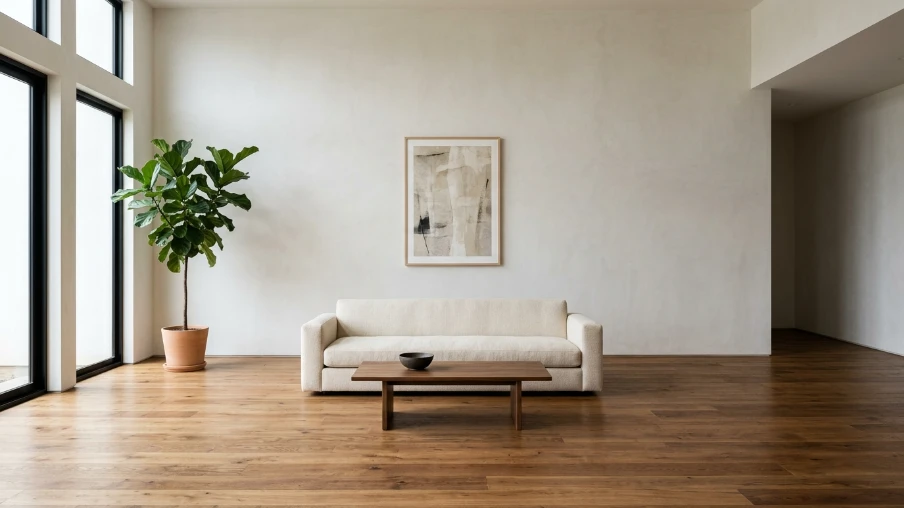
Japandi design’s minimalist foundation emerges from Japanese ma which is the power of negative space combined with Scandinavian functionalism’s democratic ideals, creating objects that serve dual purposes of practical utility and contemplative beauty, with surfaces remaining unadorned allowing natural materials to speak through their inherent properties rather than applied decoration. In practical terms, this means leaving deliberate empty space on surfaces, between pieces of furniture, and on walls. A single artwork on a large wall is more powerful in the japandi living room than a full gallery arrangement.
9. Choose Matte Black Accents for Refined Contrast
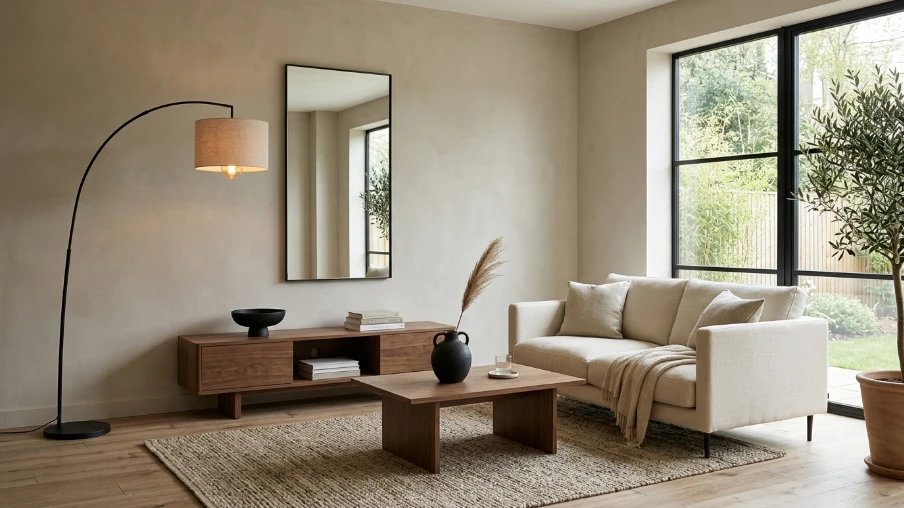
When mixing soft and dark elements the light sofa creates calm while a black chair or coffee table can add structure so the space does not feel washed out, and if the walls are already neutral the contrast should be kept intentional with dark pieces limited to one or two. Matte black is the most useful accent color in the japandi living room because it adds visual weight and definition without introducing warmth or coolness that might disrupt the neutral palette. A matte black arched floor lamp, a thin black framed window, or a single black ceramic object on the coffee table each deliver this quality of refined contrast with quiet confidence.
10. Prioritize Natural Linen and Organic Textiles
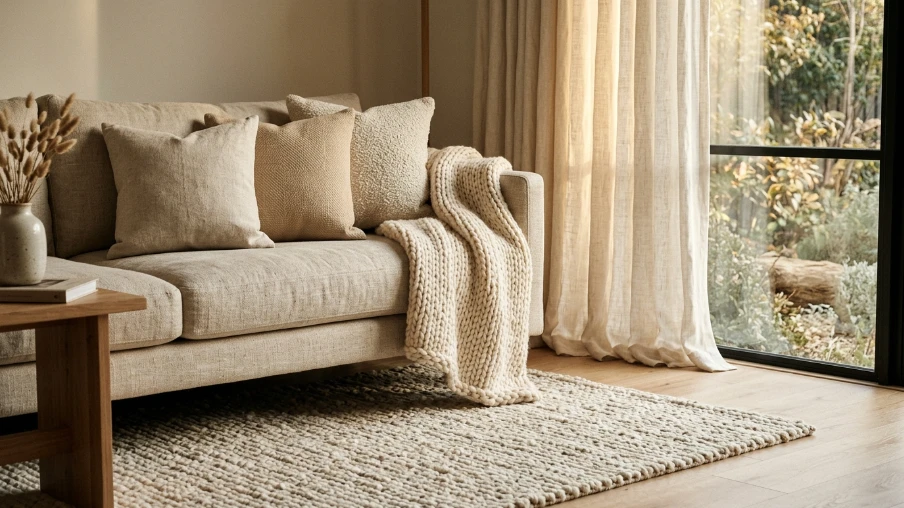
Textiles used in Japandi designs include organic cotton linen hemp and wool as these materials have natural fibers are comfortable and promote eco-friendly options. In the japandi living room, textiles are the primary vehicle for delivering the hygge warmth that Scandinavian design contributes to the aesthetic. Linen curtains that pool gently at the floor, a thick wool throw folded over the arm of the sofa, and a hand woven cotton cushion in a natural undyed tone all add a layer of softness and tactile richness that transforms the room from minimal to genuinely cozy.
11. Install Warm Ambient Lighting Rather Than Harsh Overhead Light
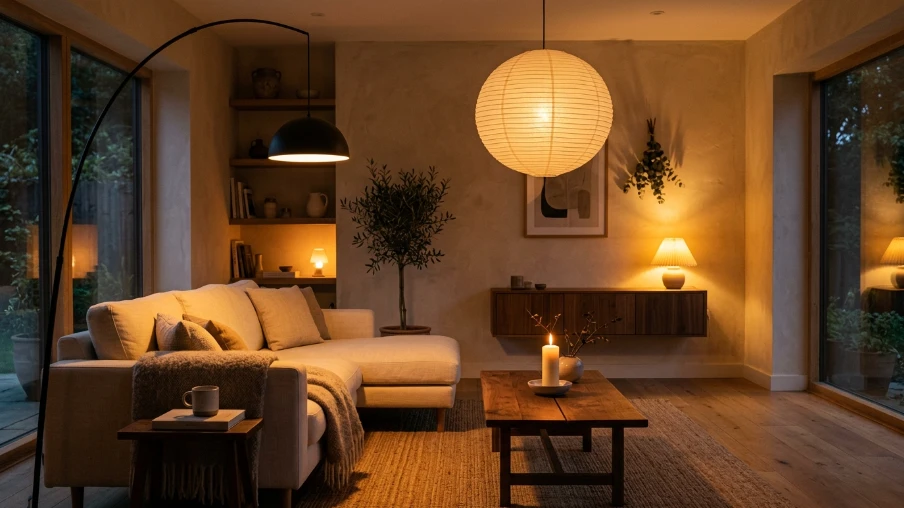
Light in a japandi living room should feel like a material rather than simply an illumination source. Noren which are traditional Japanese fabric dividers allow for soft transition between rooms maintaining airflow and light while providing a visual boundary and when used as decorative wall hangings they soften the hard edges often found in modern architecture. Paper pendant lights, rattan floor lamps, and low positioned table lamps in warm toned bulbs create pools of amber light that make the japandi living room feel intimate and genuinely warm as the evening progresses. Harsh overhead lighting is the single most damaging element one can introduce to an otherwise well considered japandi space.
12. Use Limewash or Clay Walls for Authentic Texture
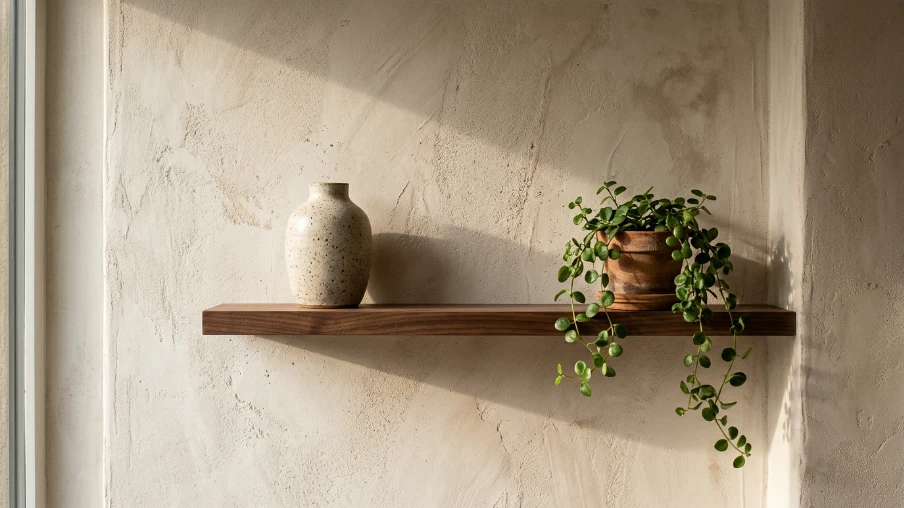
Smooth drywalls are out in 2026 japandi with limewash clay and raw stone becoming standard wall treatments as texture is now considered king in the evolution of the style. A limewash wall in warm white or pale terracotta adds an organic, handcrafted quality to the living room that changes beautifully with different light throughout the day. The subtle variation in tone and texture across a limewash surface creates a depth and warmth that no flat painted wall can replicate, and it aligns perfectly with the wabi-sabi appreciation of natural imperfection.
13. Keep Decor Minimal But Deeply Meaningful
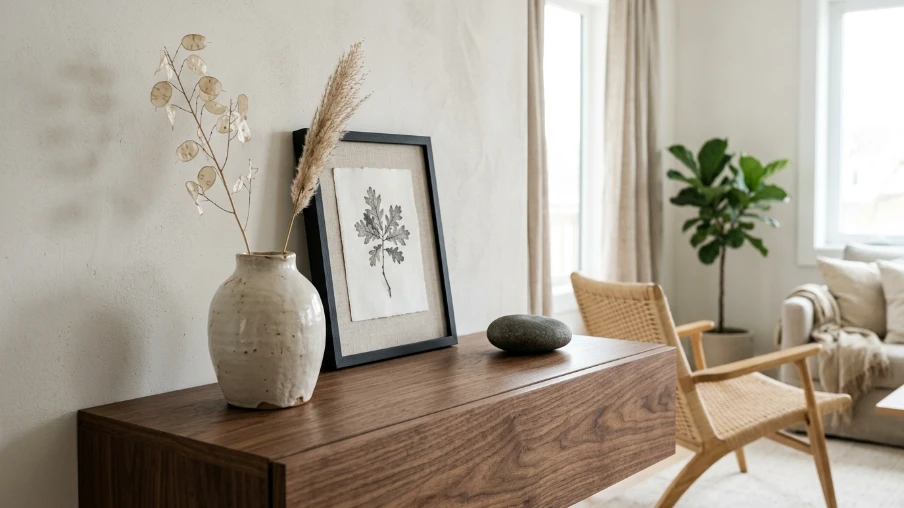
When it comes to decor a few items including handmade ceramics plants simple artwork or textured cushions can be added and each one adds personality without overwhelming the room. The editing process is as important in japandi decor as the selection process. Every object on display in a japandi living room should earn its place through either functional purpose or genuine emotional meaning. A small collection of books, a single botanical print in a simple frame, a handmade bowl inherited from a grandmother, and a smooth stone brought back from a meaningful trip all belong in the japandi living room. Generic decorative bundles do not.
14. Design for Acoustic Comfort as Well as Visual Calm
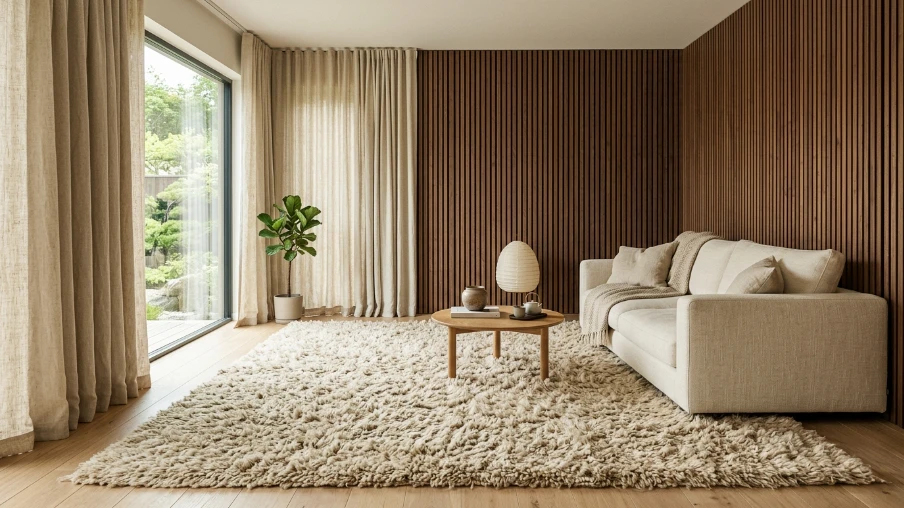
Minimalist rooms with hard surfaces can echo and in 2026 acoustic comfort is part of luxury with the recommendation to use heavy rugs upholstered furniture and even acoustic wood slat panels to dampen sound. A japandi living room that looks beautiful but sounds harsh and echoey fails to deliver the full sensory experience the style promises. A thick area rug, upholstered seating, heavy linen curtains, and a wood slat wall panel all contribute to a room that sounds as calm and warm as it looks, which is an aspect of interior design that most people only notice when it is absent.
15. Frame Your Window as a Living Artwork
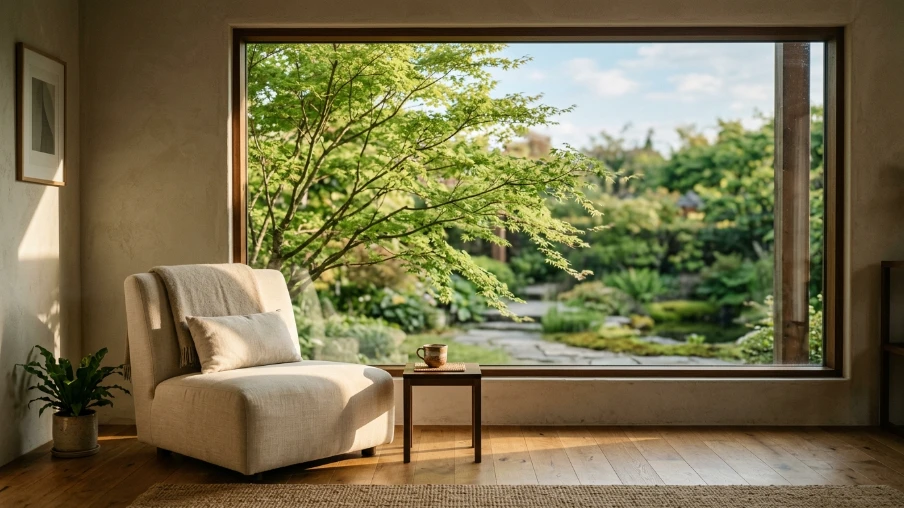
The Japanese concept of Shakkei which means borrowed scenery is a major trend for 2026 renovations where windows are treated as picture frames that capture specific views of the outdoors with window treatments now favoring recessed roller blinds or Shoji screen inspired panels that allow diffused light to enter while maintaining privacy without blocking the connection to the outside. Positioning a single low armchair to face the garden, pruning an outdoor plant so its silhouette reads beautifully through the glass, or simply removing heavy curtains to allow a view of sky and tree branches all bring the Japanese practice of shakkei into the modern japandi living room in a way that no purchased object ever could.
How to Start Your Japandi Living Room Transformation Today
Beginning a japandi living room transformation does not require a full renovation or a significant budget. The most impactful first steps are almost always subtractive rather than additive. Japandi aims to reduce visual chaos and enhance the focus on what really matters such as statement furniture pieces, starting by clearing surfaces rethinking storage and reorganizing furniture to create negative space and flow while maximizing the everyday functionality of spaces by using open floor plans.
Start by removing at least a third of the decorative objects currently on display. Then assess the largest pieces of furniture for their color and material quality. If they are upholstered in synthetic fabrics or finished in artificial materials, prioritize replacing them with natural alternatives as budget allows. Add one large indoor plant in a raw ceramic pot. Swap any harsh overhead bulbs for warm toned alternatives. These five steps alone will move any living room significantly closer to the japandi aesthetic without requiring a single structural change.
Conclusion
The japandi living room represents something genuinely rare in the world of interior design, a style that is both visually beautiful and philosophically meaningful. It asks its occupants to slow down, to choose carefully, to value quality over quantity, and to find beauty in the natural and the imperfect. Japandi living rooms are serene minimal and thoughtfully warm perfect for creating a balanced atmosphere that feels uncluttered intentional and quietly beautiful for everyday living. Whether you are beginning with a single new lamp or undertaking a complete room transformation, the 15 ideas above provide everything you need to create a japandi living room that feels exactly like the exhale your home has always deserved.
Frequently Asked Questions
1. What is the difference between japandi and Scandinavian interior design?
Scandinavian interior design focuses primarily on functionality, simplicity, and the creation of cozy comfort through soft textiles and warm lighting, rooted in the Nordic concept of hygge. Japandi takes those same qualities and layers in the Japanese philosophy of wabi-sabi, which adds an appreciation for imperfection, natural materials, handmade objects, and a deeper commitment to stillness and intentional negative space. The result is a warmer and more spiritually grounded version of minimalism than pure Scandinavian design typically delivers.
2. What colors work best in a japandi living room?
The most effective japandi living room color palettes are built on warm neutral tones including warm white, greige, soft ivory, pale taupe, warm clay, and dusty sand. In 2026, these lighter foundations are increasingly being paired with darker accents in walnut, charcoal, and smoked oak to create a moodier and more sophisticated version of the aesthetic. Matte black is consistently used as an accent rather than a dominant tone throughout.
3. Can japandi style work in a small living room?
Yes, japandi is particularly well suited to small living rooms. The commitment to low profile furniture, deliberate negative space, open floor plans, and a restrained color palette all work together to make smaller spaces feel larger, airier, and more comfortable than many other decorating approaches would allow. Choosing light reflecting neutral tones for walls and keeping the floor as clear as possible are the two most impactful steps for applying japandi principles in a compact space.
4. What materials are most important in a japandi living room?
The most important materials in a japandi living room are natural, honest, and tactile. Light and dark wood including oak, walnut, and bamboo form the structural foundation. Linen, wool, organic cotton, and hemp textiles provide warmth and softness. Handmade clay ceramics, natural stone, rattan, and raw concrete all contribute the textural richness and wabi-sabi spirit that distinguish genuine japandi interiors from simply minimal ones.
5. How do I add warmth to a japandi living room without making it feel cluttered?
The most effective ways to add warmth to a japandi living room without introducing clutter are through texture, lighting, and living elements rather than additional decorative objects. A thick wool rug, a chunky knit throw, warm amber bulbs in low positioned lamps, a large indoor plant in a raw ceramic pot, and a single piece of meaningful artwork on a bare wall all deliver significant warmth without adding visual noise. The key principle is always to choose fewer, better things rather than more things of lesser quality or meaning.




3 Comments