15 Scandinavian Living Room Unique Ideas Guide Tips 2026
There is something deeply appealing about walking into a living room that feels warm without being heavy, stylish without being cold, and personal without being cluttered. That is exactly what a cozy Scandinavian living room delivers. Rooted in centuries of Nordic tradition and shaped by long winters that demanded comfort and practicality, this design philosophy has grown into one of the most beloved interior styles in the world. Whether you live in a sprawling home or a compact apartment, the principles behind Scandinavian design are flexible, accessible, and genuinely transformative. This guide walks you through 15 unique ideas and practical tips to help you create a living room that embodies the spirit of Nordic coziness from the ground up.
1. Start with a Neutral Color Palette
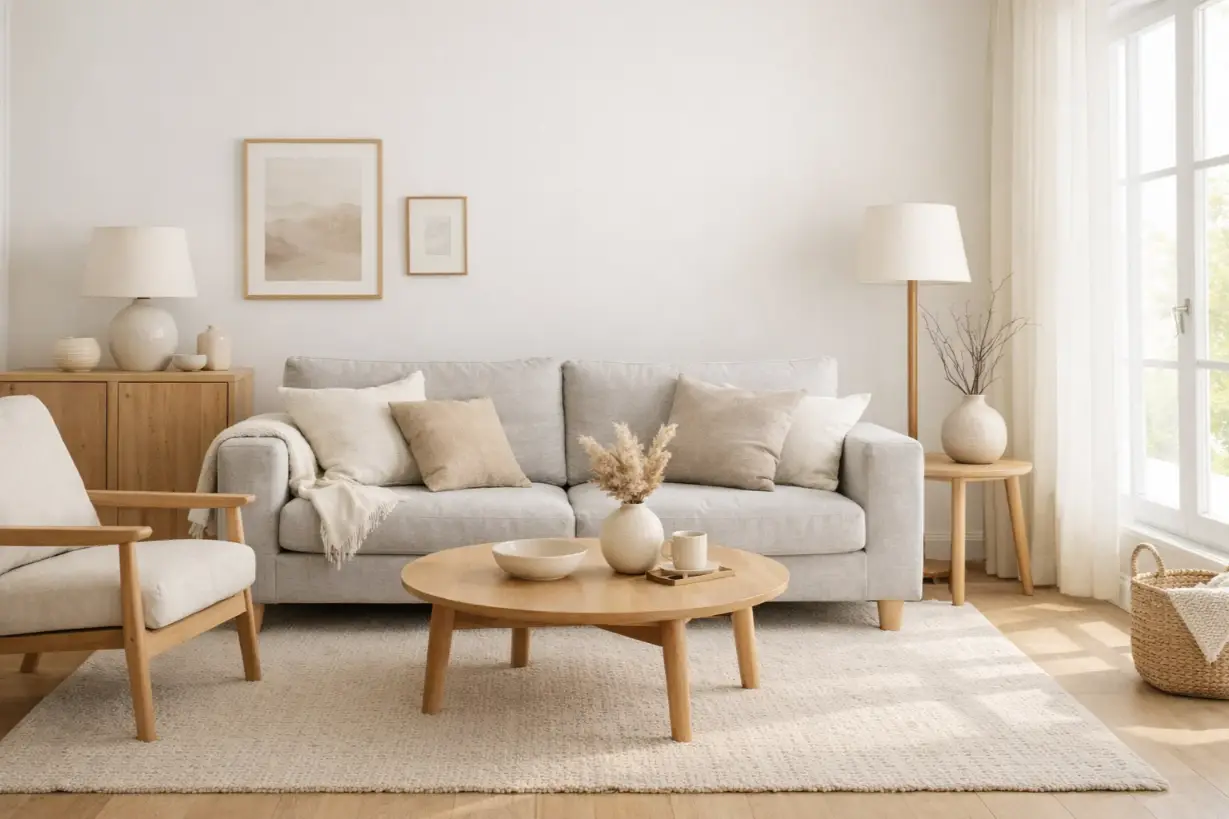
White, soft gray, beige, and light pastels are the foundation of Scandinavian design, brightening up a space and making it feel larger and more open. Paint your walls a clean white or warm ivory and let that base breathe. From there, introduce soft accents through cushions, artwork, or a single feature wall in a deeper tone like charcoal or navy. The restraint in color is not a limitation; it is what gives the room its sense of calm.
2. Embrace the Hygge Philosophy
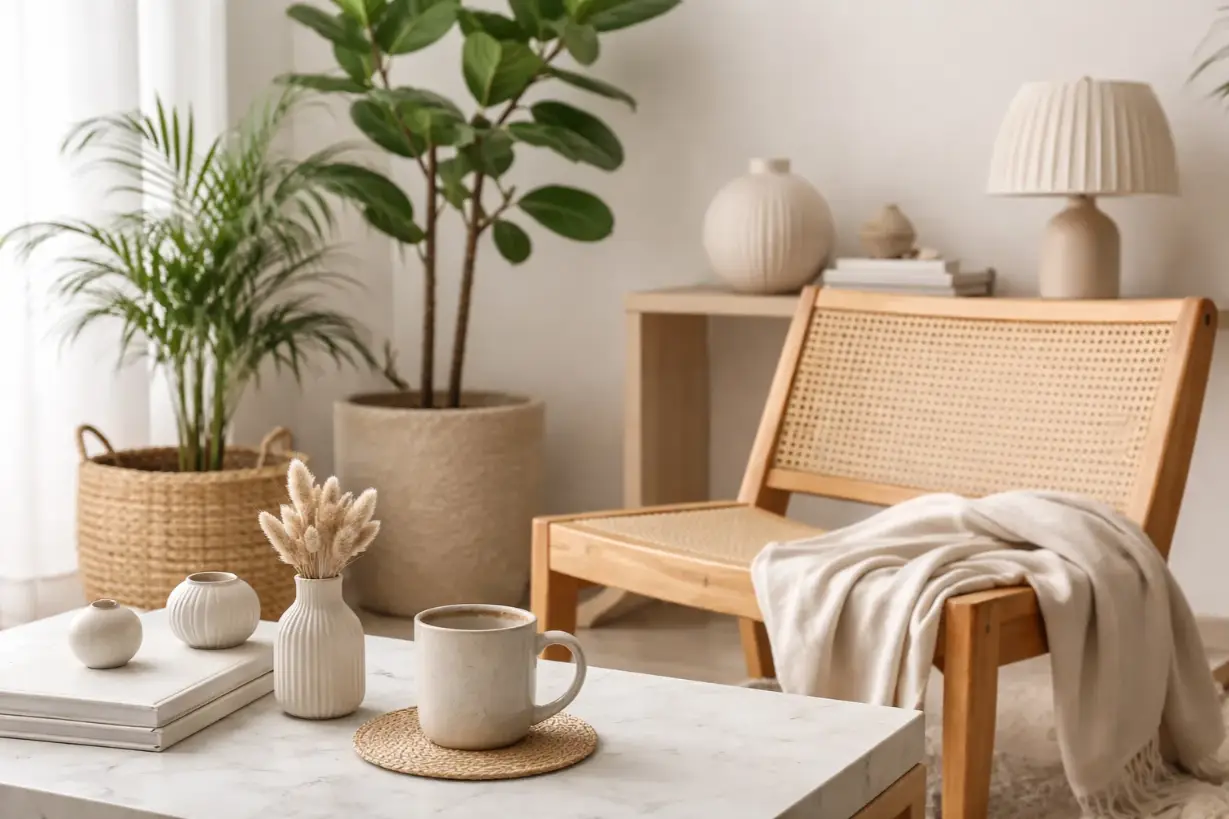
Hygge, a Danish concept, embodies comfort, coziness, and an overall sense of well-being. It is about slowing down, appreciating the moment, and creating spaces where you can truly unwind. Translate this into your living room by arranging seating that encourages closeness, layering soft textiles, and prioritizing warmth over visual complexity. Hygge is less about decoration and more about feeling.
3. Layer Textures Thoughtfully
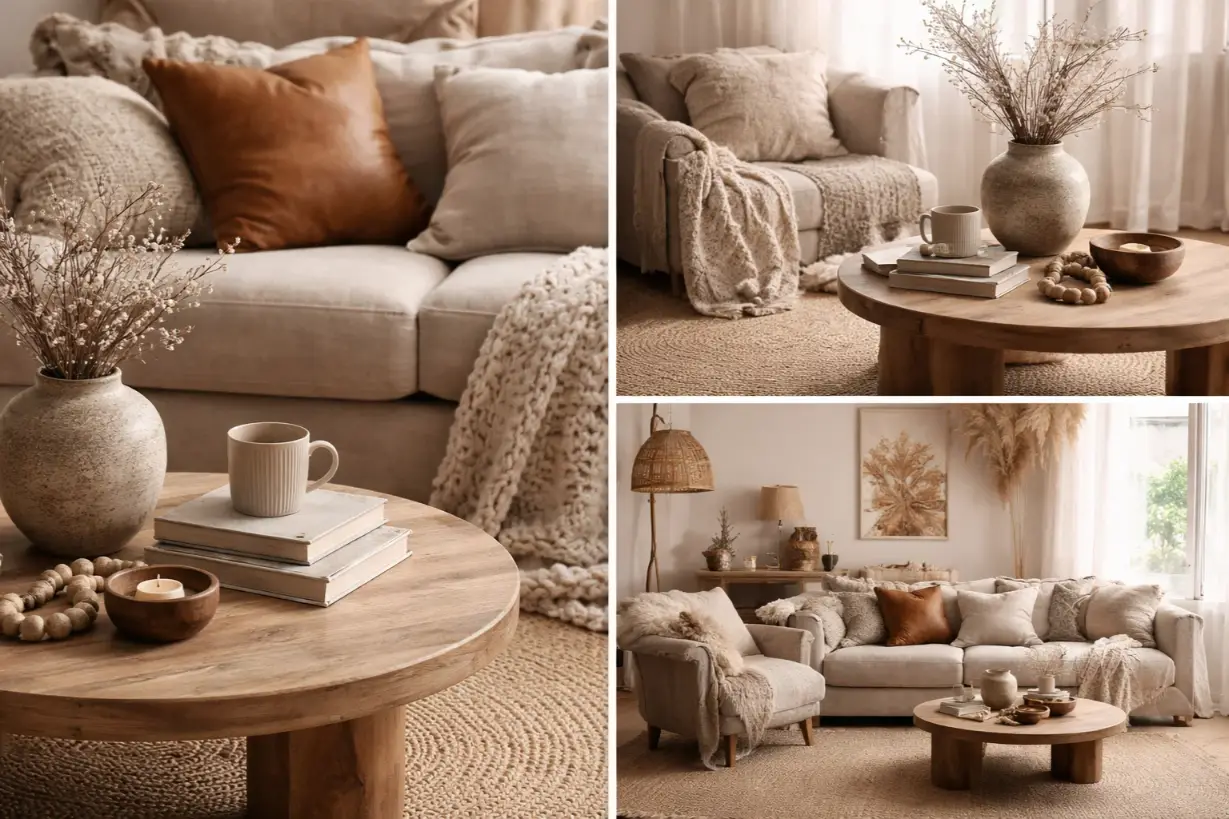
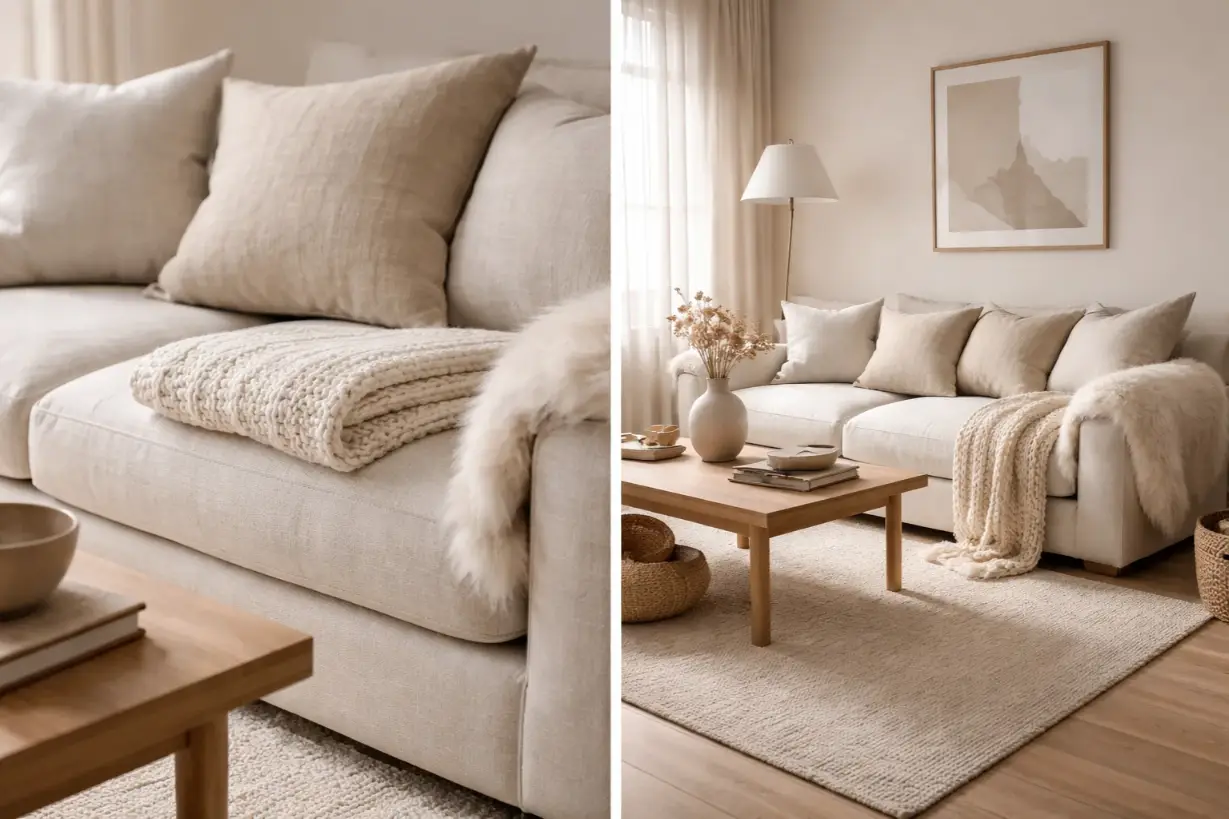
Mixing textures creates depth and embodies the balance of comfort and style central to Scandinavian design. Think smooth leather, fluffy sheepskin, and natural woven accents. Start with a wool or jute rug as your base, then build upward with linen cushions, a chunky knit throw draped over the sofa, and perhaps a sheepskin tossed over an armchair. Each layer adds visual richness without adding clutter.
4. Choose Light Wood Furniture
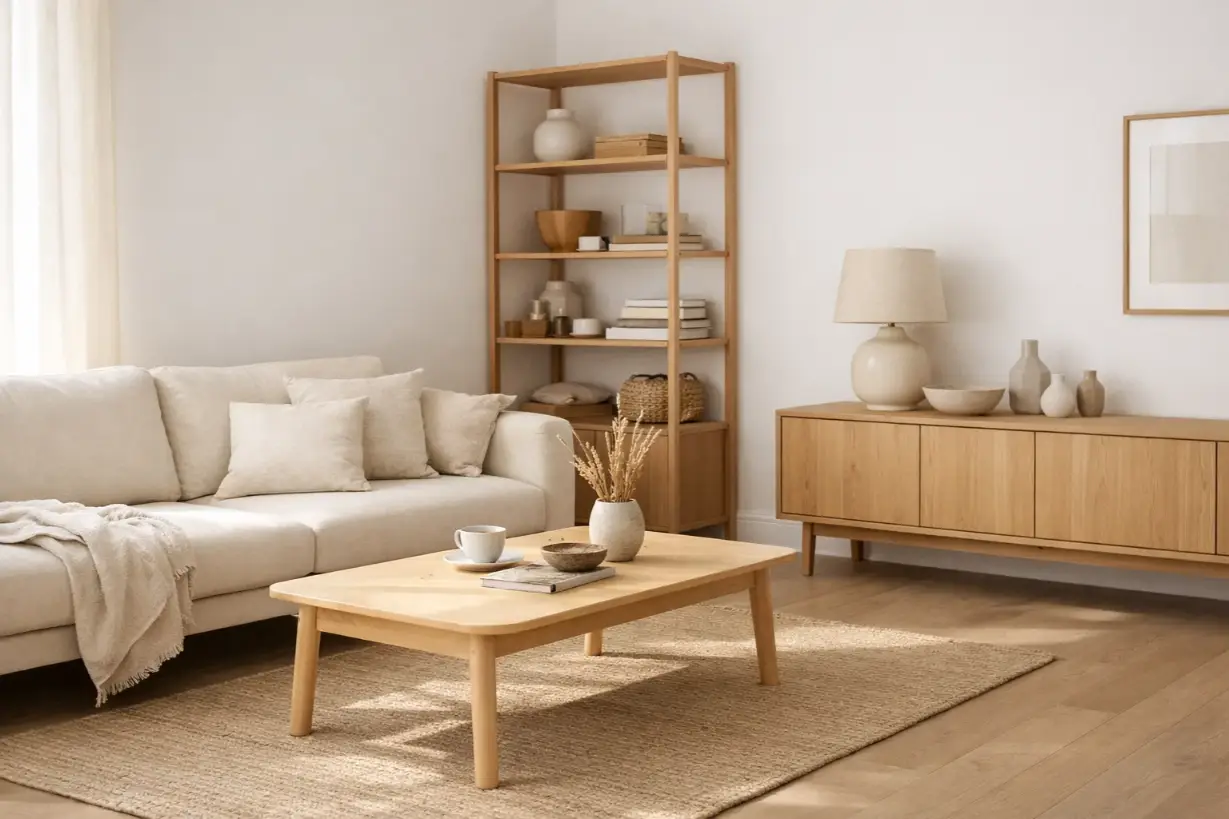
Wooden furniture in light tones like oak or birch brings warmth and a natural connection to the outdoors. Coffee tables, shelving units, and sideboards made from these materials ground the room and complement neutral textiles beautifully. Avoid dark, heavy wood pieces that can make a room feel enclosed. The goal is furniture that feels like it grew from the earth rather than was manufactured in a factory.
5. Prioritize Functional Minimalism
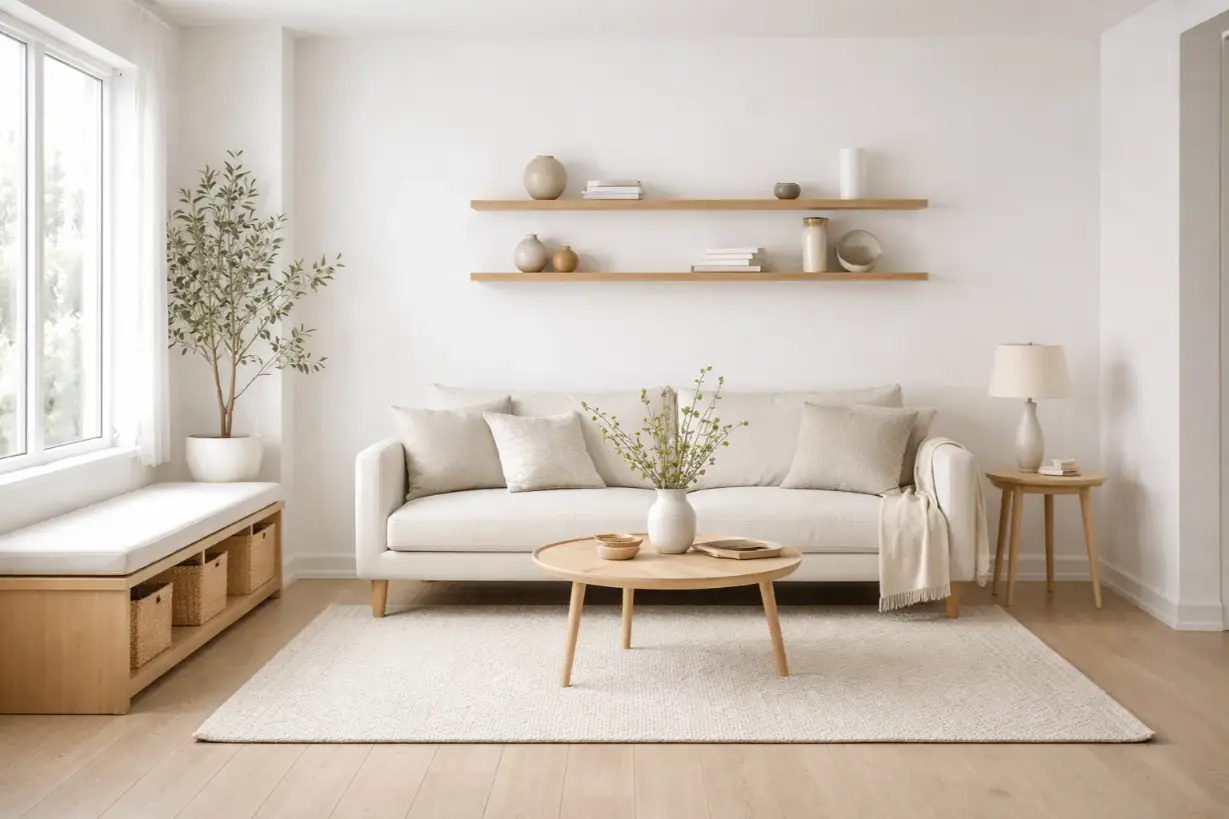
Scandinavian design has never been interested in decoration for its own sake. Every piece in a well-designed Nordic living room serves a purpose. A storage bench doubles as seating. A side table holds a lamp and a book. Storage space should be both stylish and practical, providing plenty of room to store items and prevent clutter while also displaying carefully selected decorative accents. Remove what does not serve you and keep what does.
6. Master the Art of Lighting
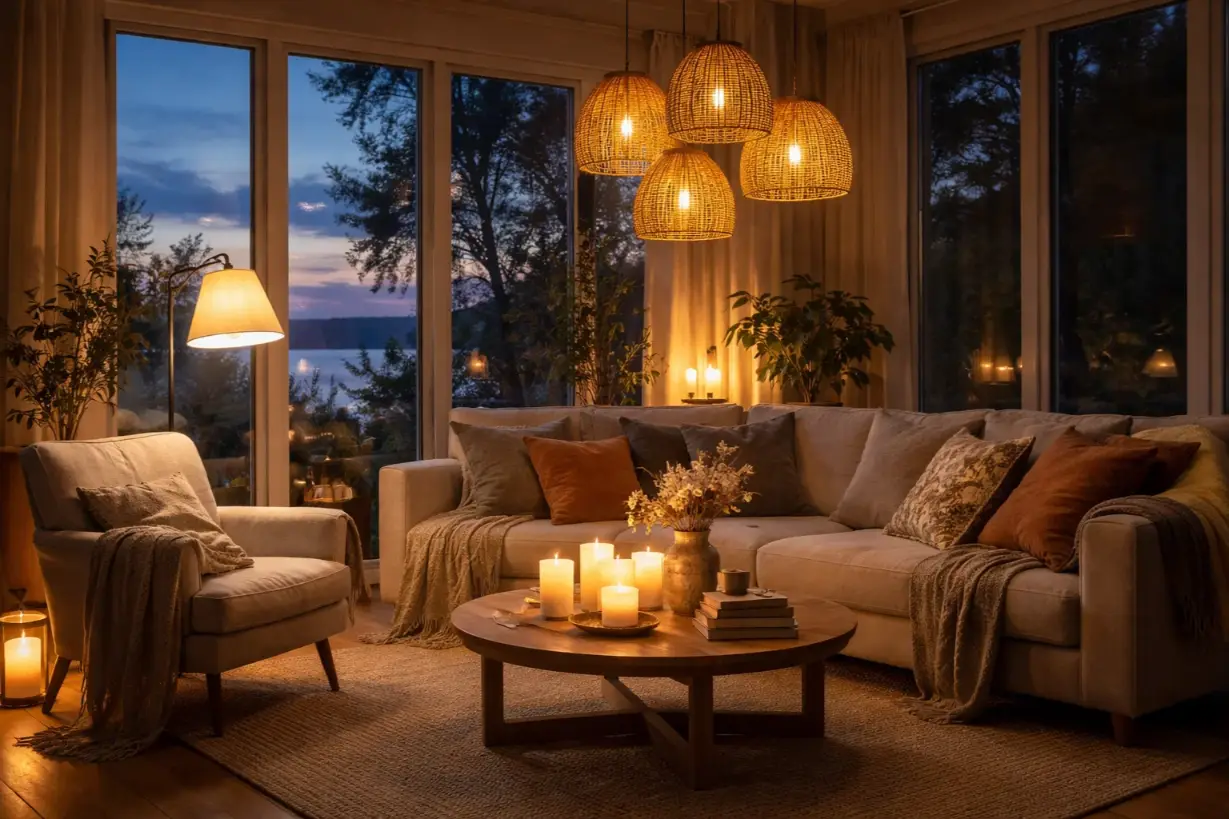
Due to long, dark winters, Scandinavian interiors are filled with as much light as possible. Huge windows with contemporary blinds instead of heavy curtains allow in maximum daylight, while pendant clusters and candles create a warm, layered glow in the evenings. Invest in dimmable fixtures and warm-toned bulbs. A reading corner with a single angled floor lamp instantly creates a sense of intimacy and function.
7. Use Candles as a Design Element
Candles are more than decorative in Scandinavian living rooms. They are essential. Group them on trays or in lanterns to create a calming glow, particularly during colder months. Unscented pillar candles in neutral tones arranged in varying heights on a coffee table or mantle are a hallmark of Nordic interior styling and one of the simplest ways to shift the mood of a room instantly.
8. Bring Nature Indoors with Plants
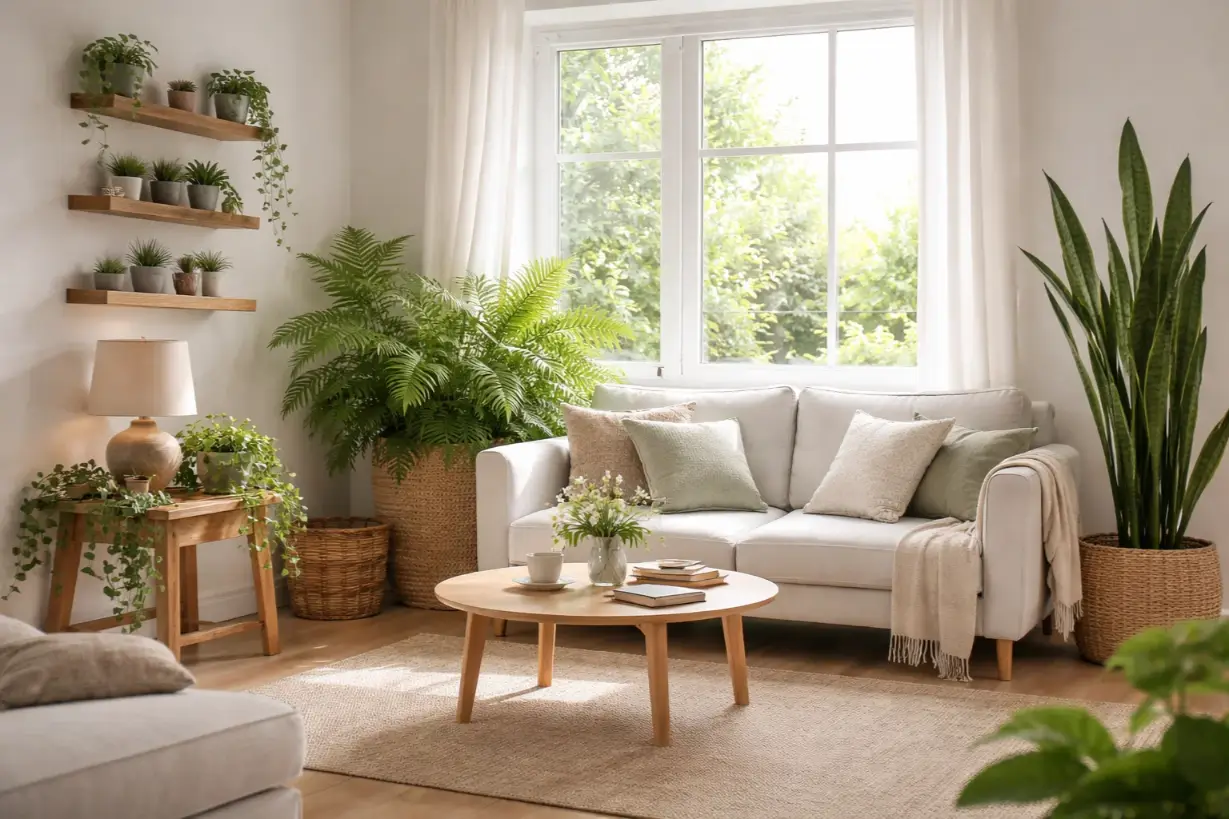
Lush potted plants like ferns and snake plants introduce a refreshing burst of greenery that blends beautifully with neutral tones and natural textures. Place tall plants near windows to take advantage of natural light, and use smaller succulents or trailing vines on shelves and side tables. The contrast between organic, living green and a pared-back neutral palette is one of the defining characteristics of a truly cozy Scandinavian space.
9. Invest in Quality Soft Furnishings
The sofa is the heart of any living room, and in a Scandinavian home it should be generous, comfortable, and upholstered in a natural fabric. Enhancing coziness with knits, woven fabrics, and pillows is essential, though striking the right balance to avoid overwhelming the space with clutter is equally important. Opt for a streamlined silhouette in oatmeal, light gray, or cream and let your cushions and throws introduce warmth and personality.
10. Create a Dedicated Reading Nook
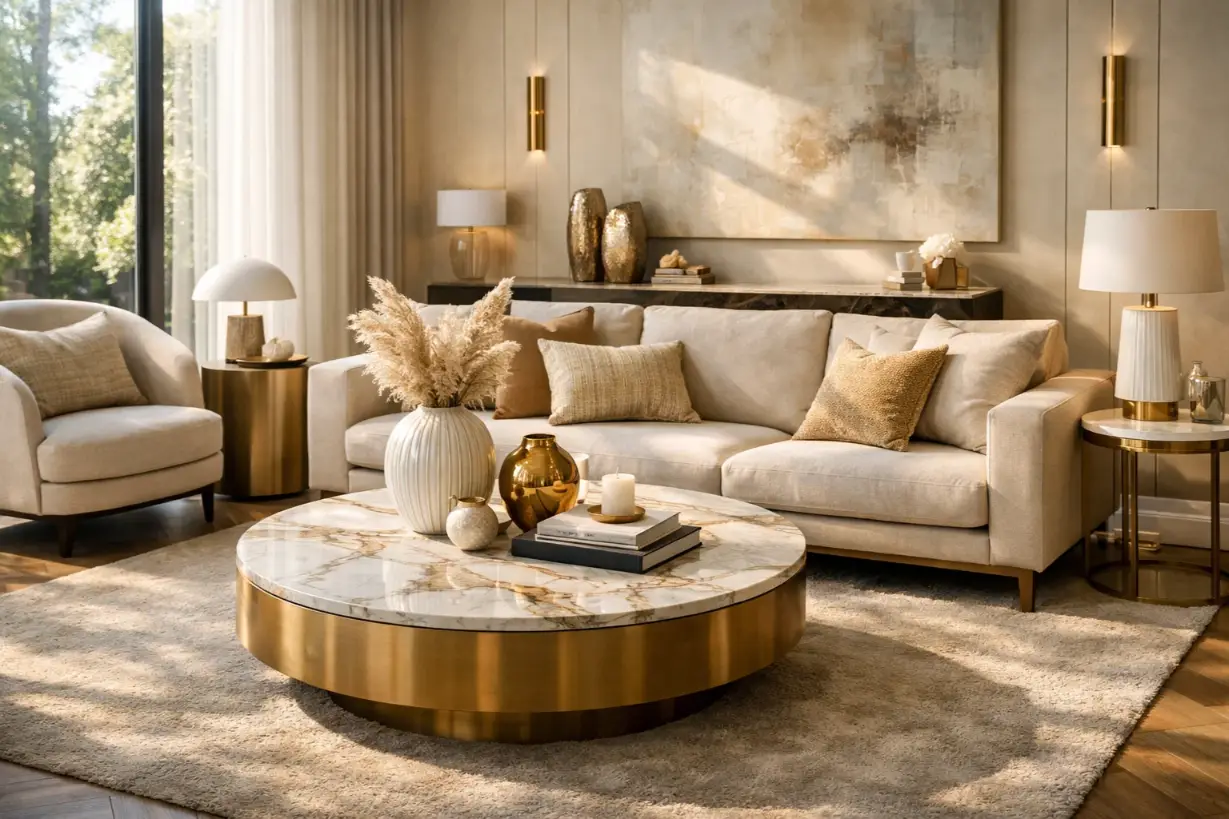
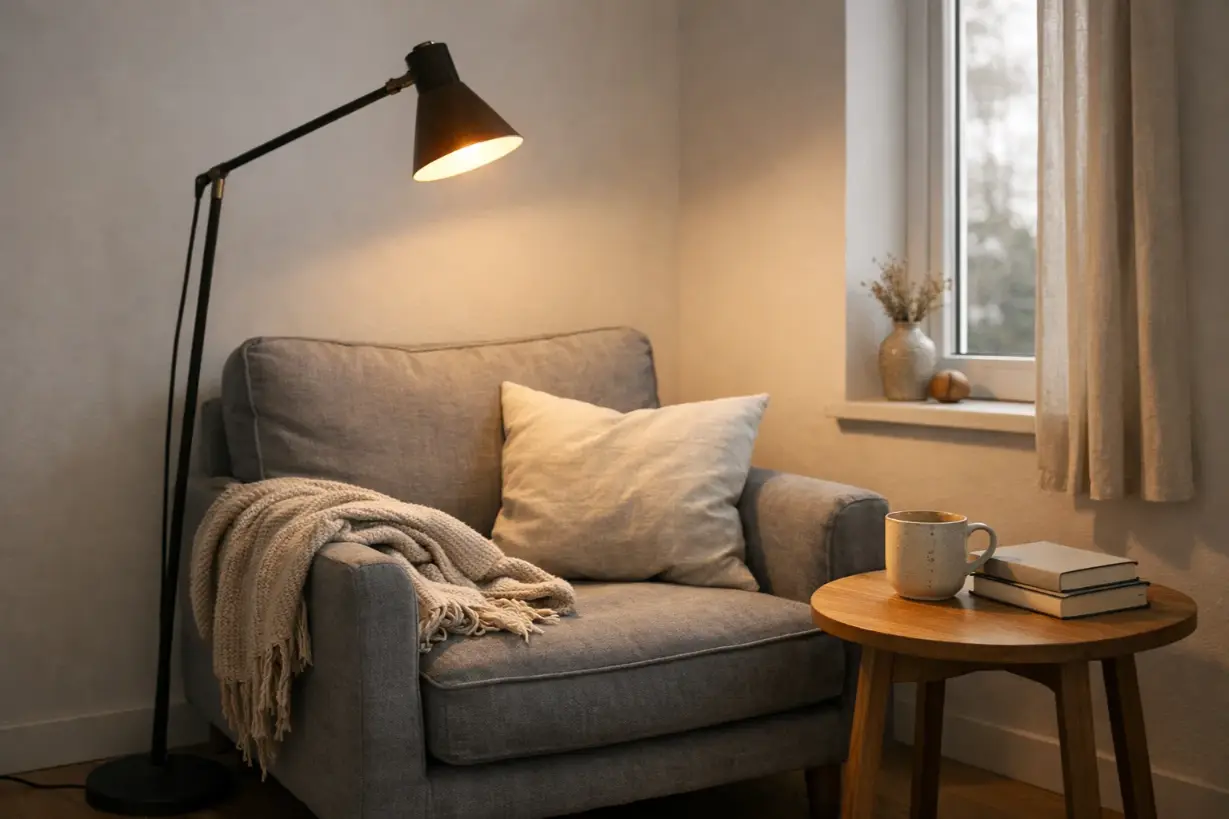
One of the most charming features of a Scandinavian living room is the reading nook, a small, intentional corner designed purely for quiet enjoyment. An angled floor lamp or table lamp beside a cozy chair is all you need to create this intimate retreat. Add a small stack of books, a soft blanket, and a side table for a cup of tea, and you have your own private sanctuary within the larger room.
11. Add a Statement Rug
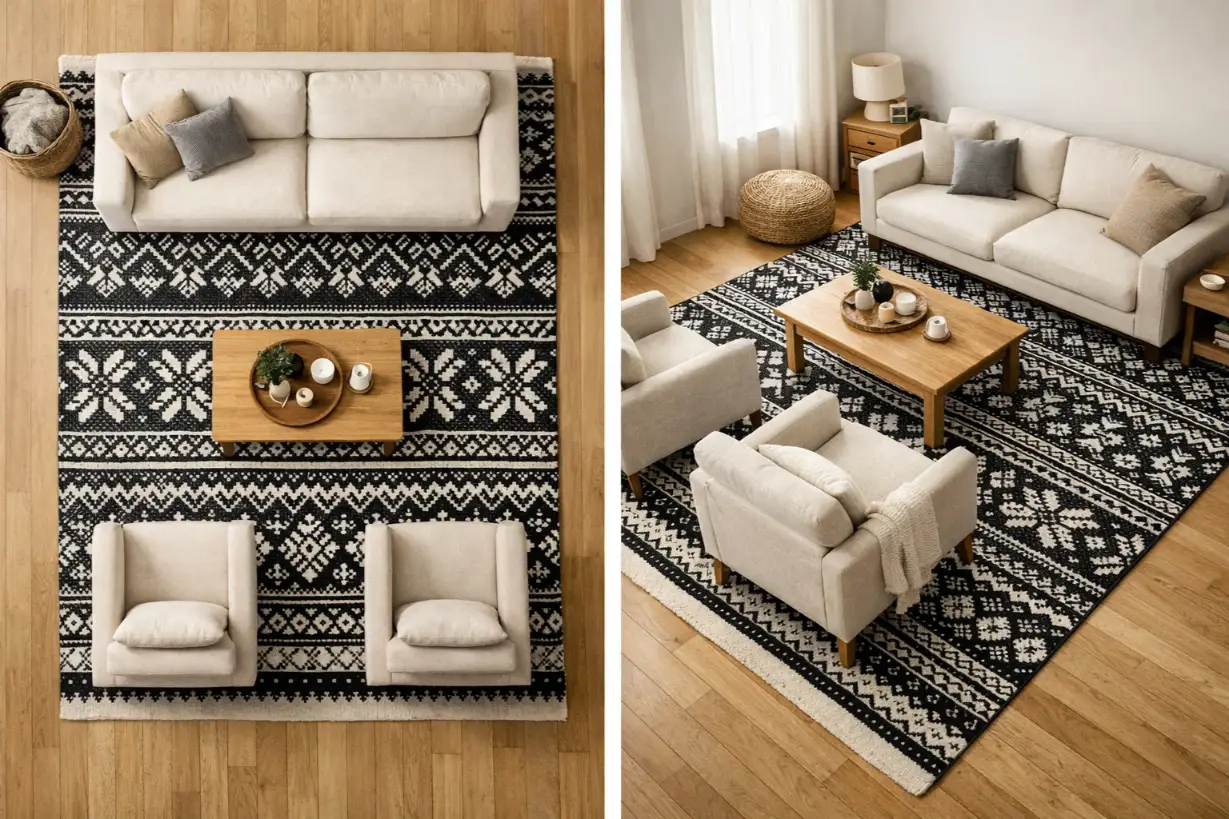
A well-chosen rug anchors the seating area and ties the room together. In Scandinavian design, natural fiber rugs in jute, sisal, or wool are preferred. For something with more personality, a traditional Nordic patterned rug in black and white or muted earth tones adds visual interest while staying within the design language. The rug should be large enough to sit under the front legs of all major seating pieces.
12. Incorporate a Fireplace or Wood Stove
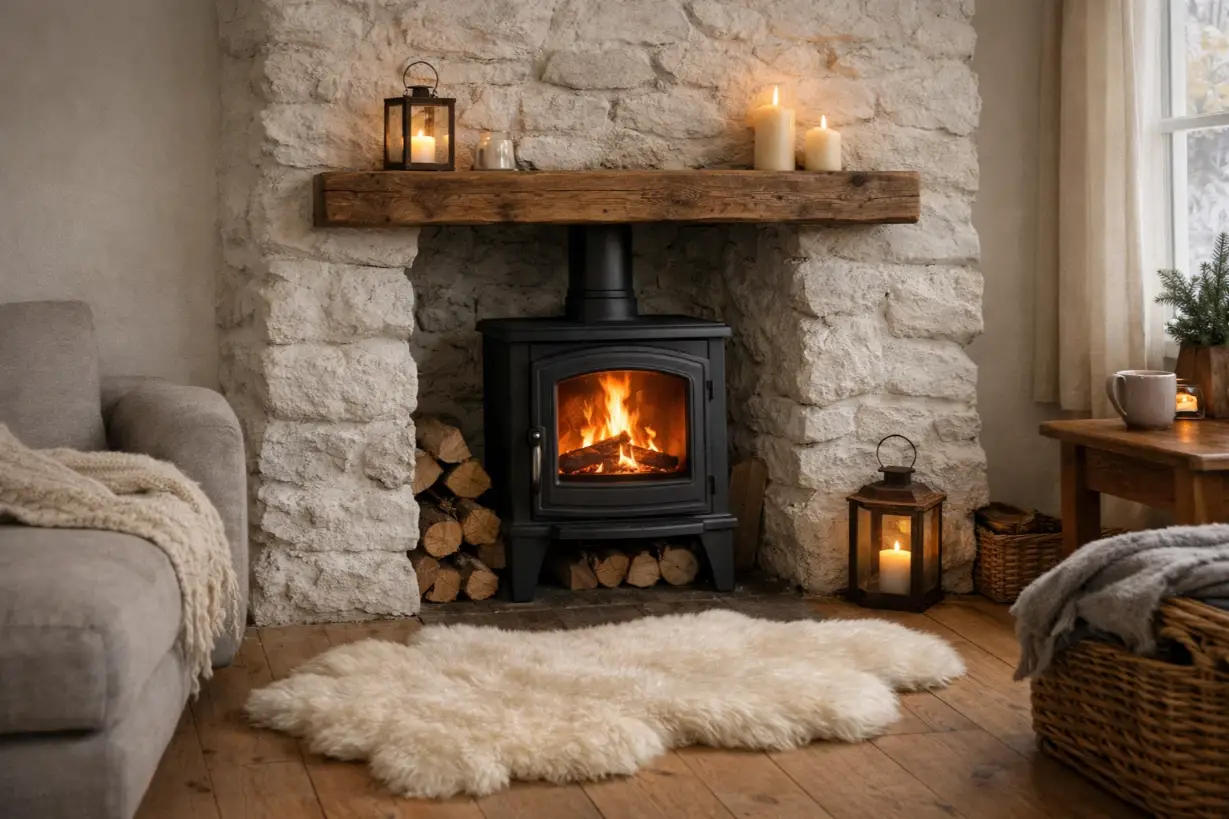
A classic fireplace or wood stove tucked into a corner of the room is frequently observed in Scandinavian homes and adds instant warmth and character. If a real fireplace is not an option, an electric version with a realistic flame effect can serve the same atmospheric purpose. Surround it with simple stonework, a wooden mantle, and a cluster of candles for an authentic Nordic feel.
13. Keep Walls Clean and Intentional
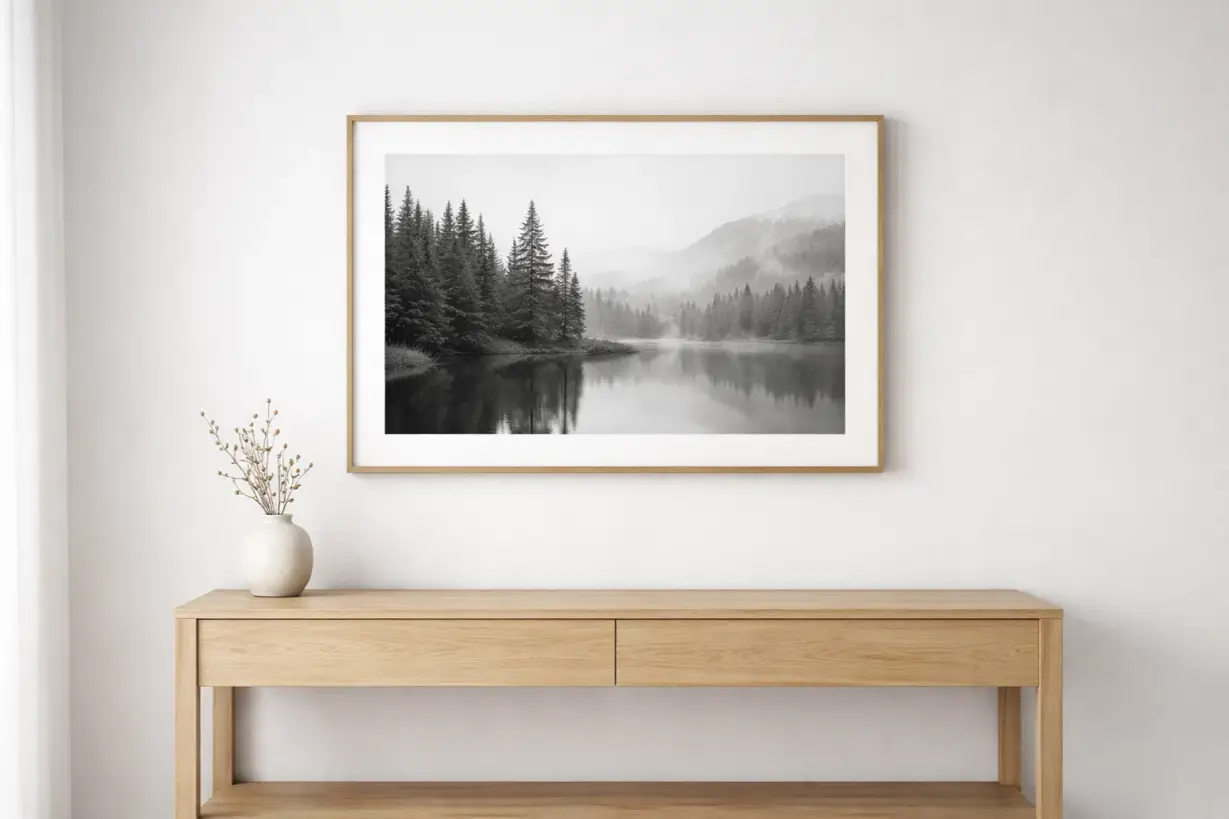
Rather than filling every inch of wall space, choose one or two meaningful pieces. A single framed nature print, a simple black-and-white photograph, or a handcrafted wall hanging in natural fiber adds personality without noise. A gallery wall in a classic black-and-neutral palette can add personality while maintaining the calm, intentional tone of Scandinavian style.
14. Blend Scandi with Bohemian Touches
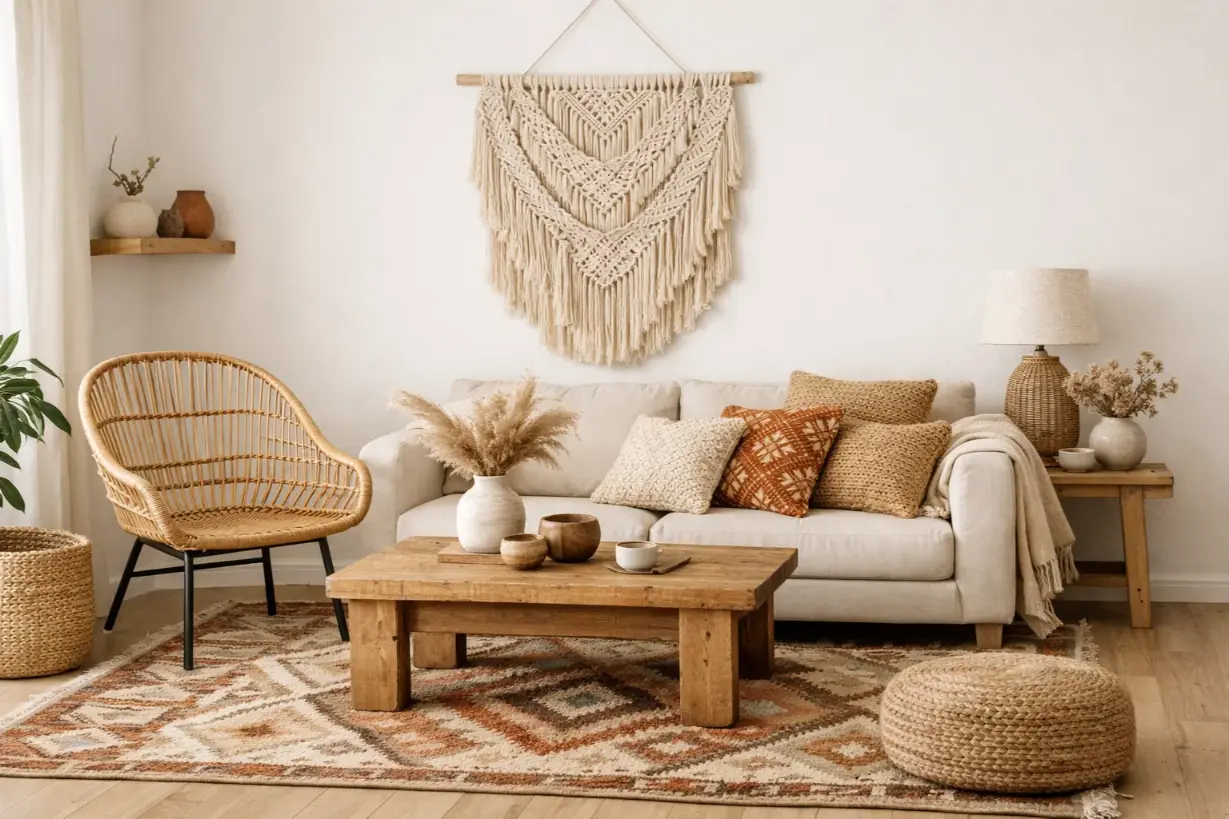
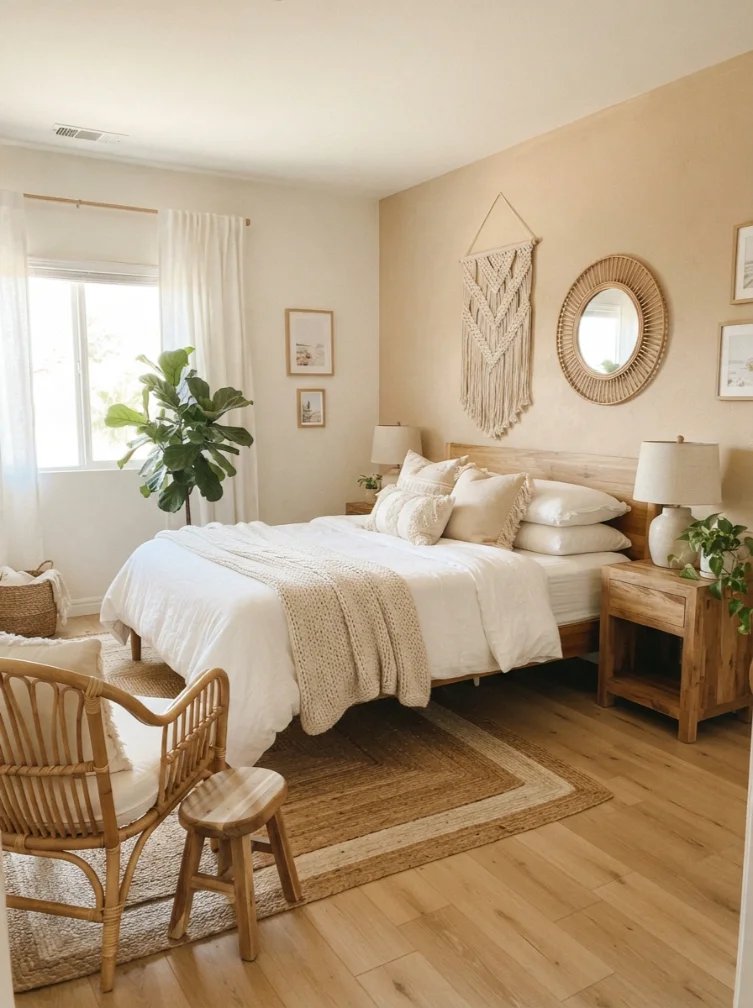
A Scandi boho living room blends a minimalist Scandinavian layout with boho elements like macrame wall hangings, patterned rugs, and rattan accents, adding character and warmth without sacrificing the clean, airy feel of Nordic design.This hybrid approach works particularly well in homes where a strictly minimal aesthetic feels too cold or impersonal. The key is keeping the backdrop restrained while letting a few textured, handcrafted pieces do the expressive work.
15. Design for How You Actually Live
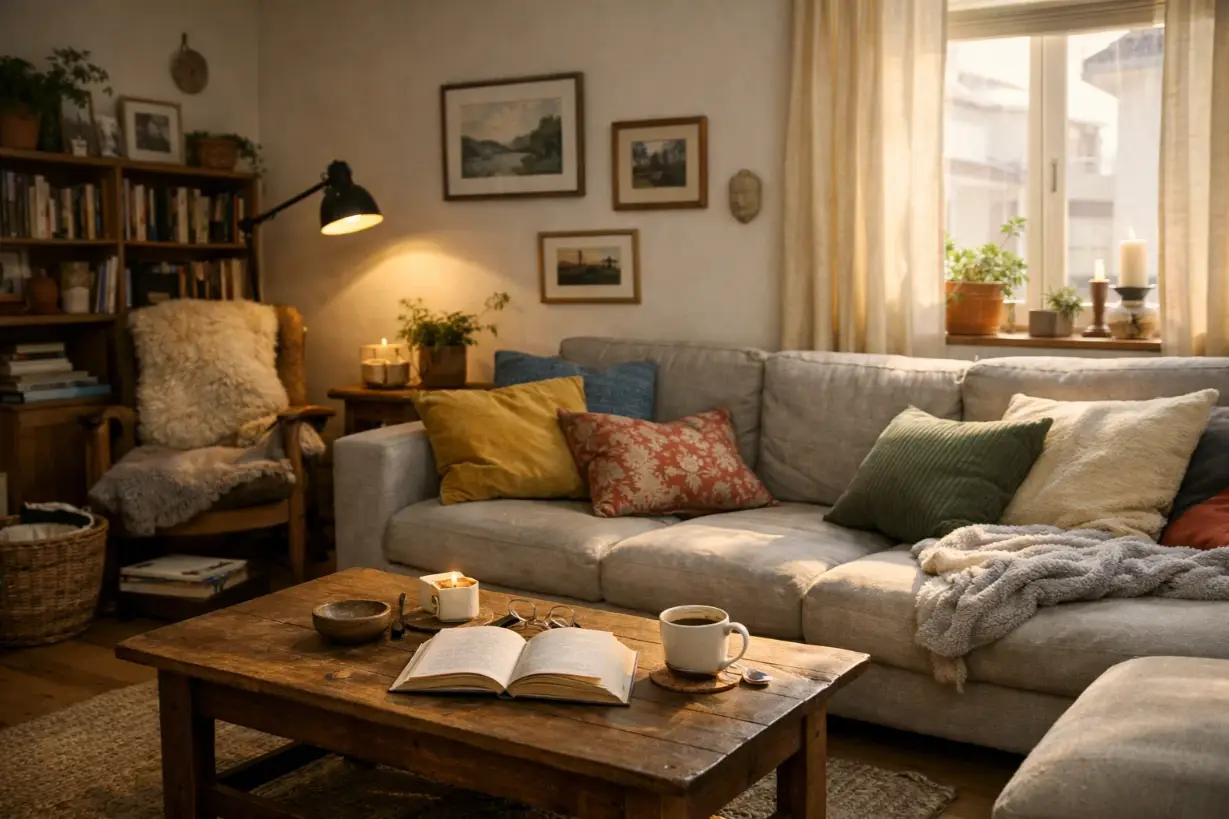
The most overlooked principle in Scandinavian interior design is also the most important: design around your life, not around a photograph. A cozy Scandinavian living room should reflect how you spend your time at home. If you host often, create generous seating. If you read every evening, build in a proper reading corner. Use pattern and color sparingly and choose accents that evoke comfort and ease. This style is about intentional, mindful choices that make a space feel truly like home.
Conclusion
Creating a cozy Scandinavian living room is less about following a strict formula and more about committing to a set of values: warmth, functionality, simplicity, and an honest connection to the natural world. The 15 ideas in this guide give you a range of entry points, whether you are starting from scratch or refining a space you already love. Begin with what resonates most, introduce changes gradually, and let the room evolve into something that genuinely feels like yours. When you get it right, a Scandinavian living room does not just look good. It feels like exactly where you want to be.
Frequently Asked Questions
Q1: What is the most important element of a cozy Scandinavian living room?
Lighting is arguably the single most important element. Layering natural daylight with warm artificial light and candlelight creates the atmospheric quality that defines Nordic coziness, especially during darker months.
Q2: What colors should I use in a Scandinavian living room?
Stick to a neutral base of white, soft gray, or warm beige. You can introduce muted accent colors like dusty blue, blush, or earthy green through cushions, rugs, and small decor pieces without disrupting the calm foundation.
Q3: What does hygge mean in interior design?
Hygge is a Danish concept loosely translated as a feeling of coziness, contentment, and togetherness. In interior design, it means creating spaces that encourage relaxation, warmth, and genuine comfort through textiles, soft lighting, and thoughtful arrangement.
Q4: Can I achieve a Scandinavian look on a small budget?
Absolutely. Focus on decluttering first, then invest in a few quality soft furnishings like a good rug and some natural fiber cushions. Candles, indoor plants, and simple wooden accents are affordable and highly effective at delivering the Scandinavian look.
Q5: Is Scandinavian design suitable for small living rooms?
Yes, it is one of the best styles for small spaces. Its emphasis on light colors, functional furniture, and minimal clutter naturally makes rooms feel larger and more open than they actually are.