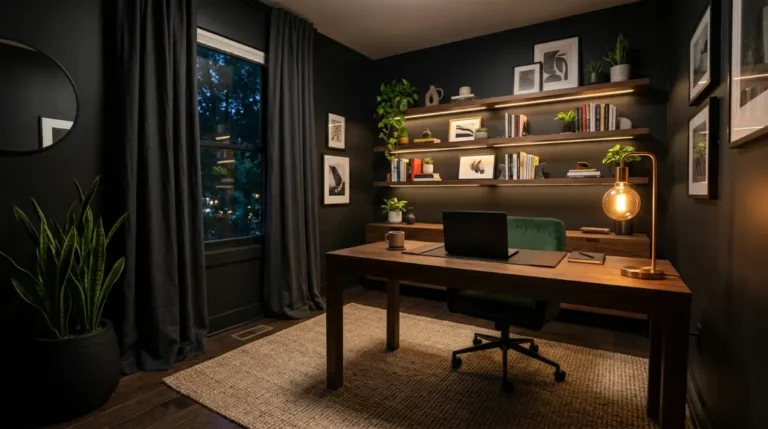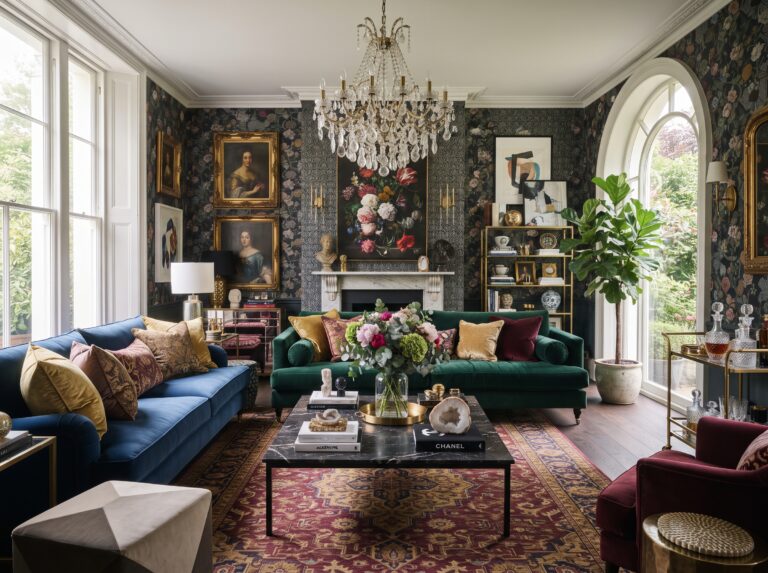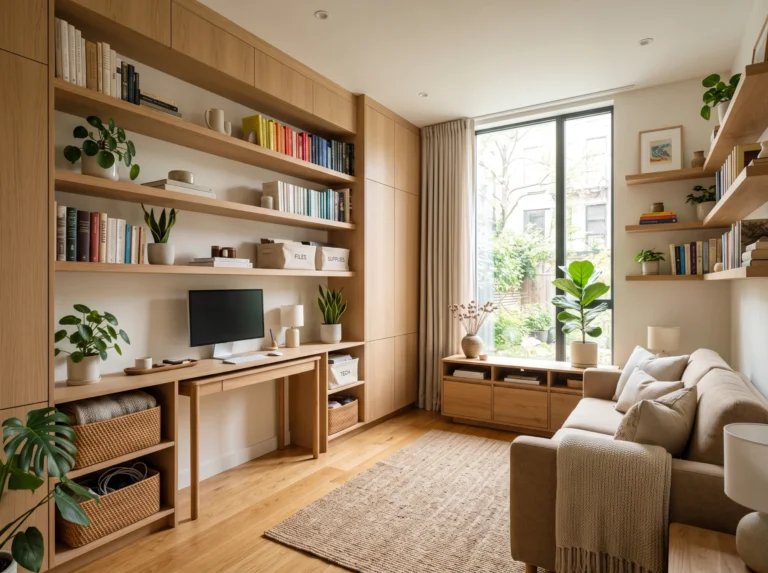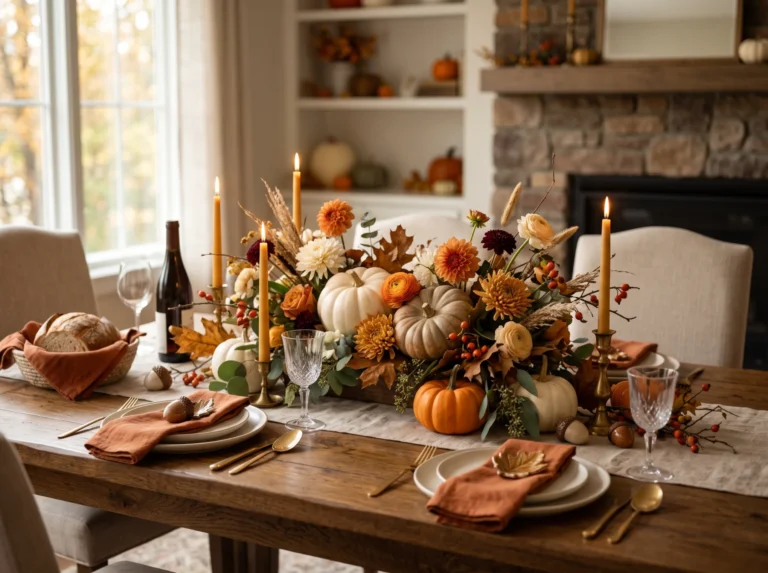
20 Popular Interior Design Style Ideas for Modern Homes!
You walk into a friend’s house and something feels just right. The colors are calm, the furniture fits perfectly, and every corner looks like it belongs in a magazine. You think: why does my home not feel like that?
The truth is, most people never figure out their interior design style. They buy furniture they like individually but never build a cohesive look. The result is a home that feels random rather than intentional.
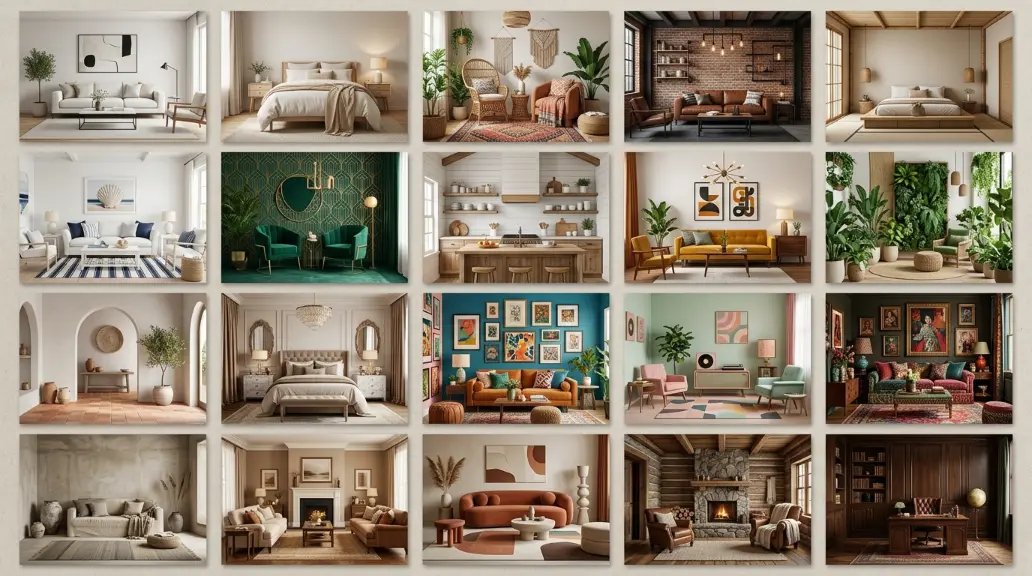
This guide covers 20 popular interior design styles with clear descriptions, styling tips, and beginner-friendly advice. Whether you want something modern and minimal or warm and collected, there is a style here that matches the way you actually live.
By the end, you will have a clear picture of which direction suits your taste and how to start applying it, even on a tight budget.
1. Modern Minimalist Interior Design
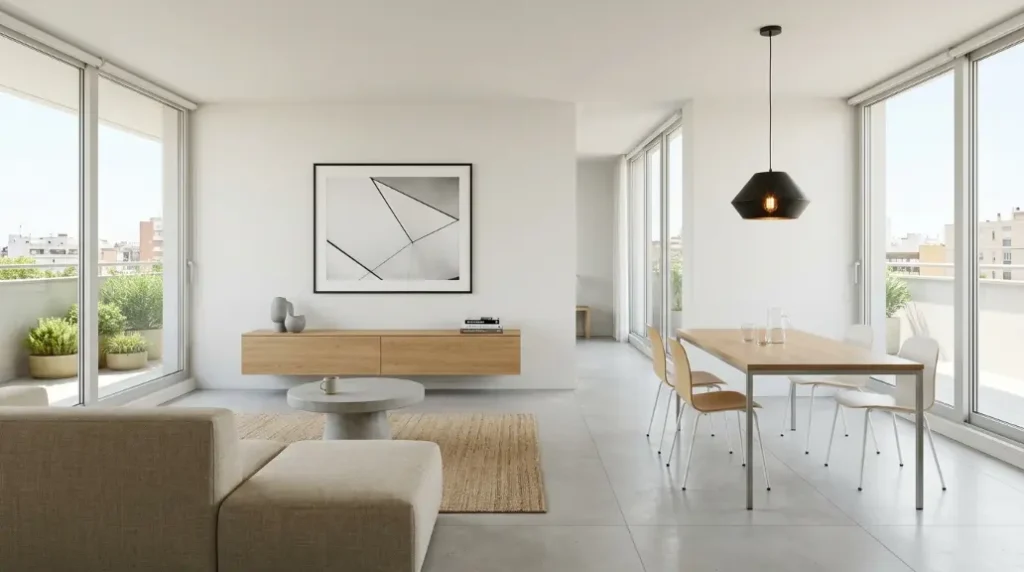
Minimalist interior design is one of the most searched and widely adopted styles around the world. It is built on the idea that less is more. Clean lines, open floor plans, a neutral color palette, and furniture that serves a real purpose are the defining features.
The appeal is simple. A minimalist home feels spacious, calm, and easy to maintain. You are not managing clutter. Every object in the room has a reason to be there.
Key Elements:
- White, off-white, warm grey, and soft beige tones
- Furniture with clean profiles and hidden storage
- Minimal wall decor, usually just one or two statement pieces
- Natural materials like light oak, linen, and stone
Beginner Tip: Start by removing items you do not use regularly. You do not need to buy new things to go minimal. Editing what you already own is the most important first step.
2. Scandinavian Interior Design
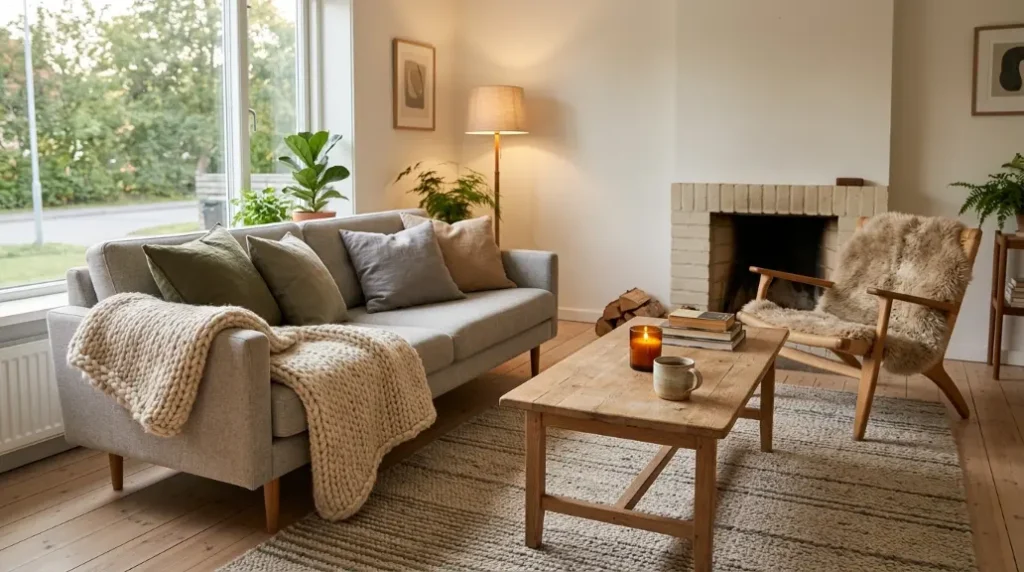
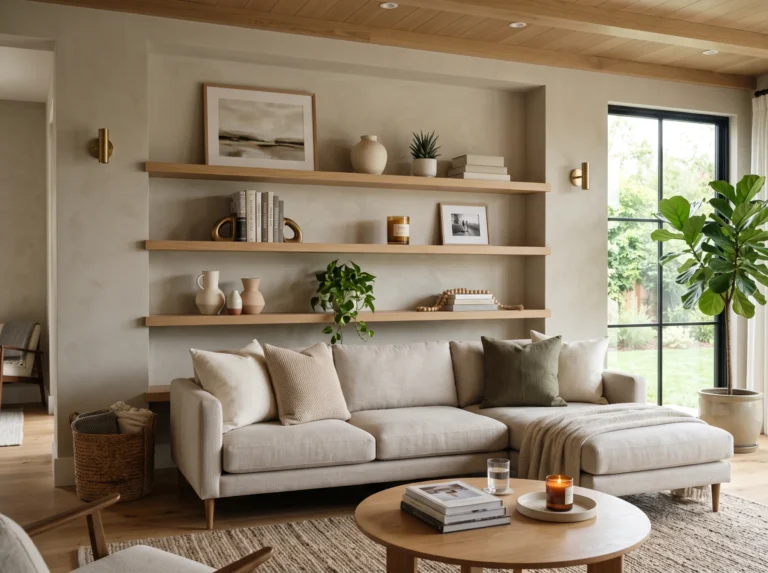
Scandinavian design comes from Northern Europe and is known for combining function with warmth. It is often confused with minimalism, but there is a real difference between the two. Scandinavian spaces are warm and cozy rather than stark and cold.
The Danish concept of hygge, which roughly means comfort and coziness, sits at the heart of this style. Think soft wool throws, candles, wooden furniture, and rooms that feel genuinely lived in.
Key Elements:
- Light woods like pine, birch, and ash
- Soft textiles in muted, natural tones
- Functional furniture with gentle curves
- Natural light used as a key design tool
Common Mistake: Overdoing the all-white palette without adding enough texture. Layer materials like woven baskets, knit cushions, and linen curtains to keep the space from feeling cold and empty.
3. Contemporary Interior Design
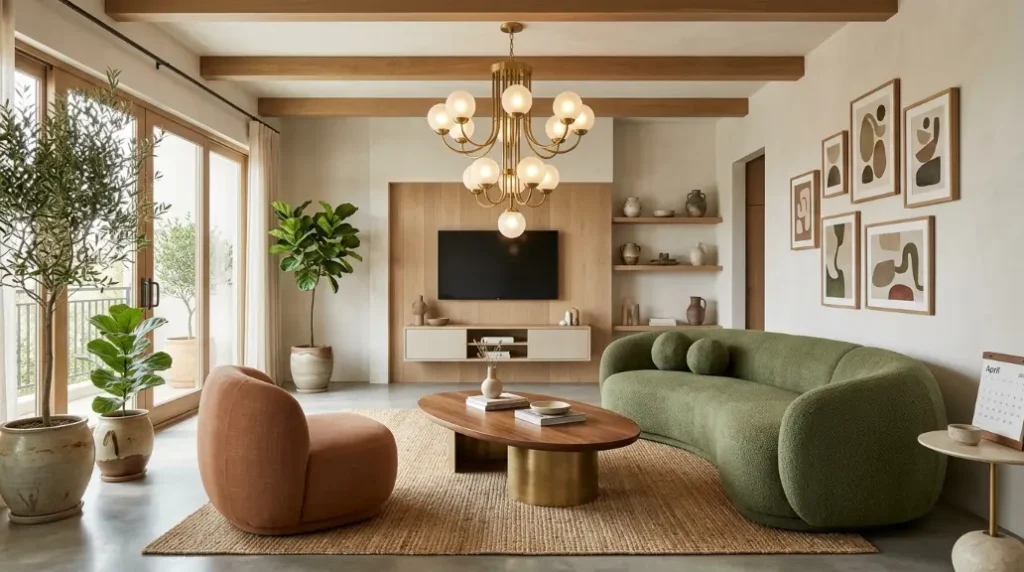
Contemporary design refers to what is current right now. Unlike modern design, which is a specific historical era from roughly the 1920s to the 1970s, contemporary interior design reflects the trends of today. In 2025, that includes rounded furniture forms, earthy color tones, statement lighting, and natural materials.
It is a fluid style that keeps evolving, which makes it one of the most relevant home decor styles for anyone building a stylish home today.
Key Elements:
- Curved furniture and organic shapes
- Warm earthy palettes including terracotta, clay, and olive
- Bold, sculptural lighting fixtures
- Mixed materials like stone, metal, and soft fabric
Quick Comparison: Popular Interior Design Styles at a Glance
| Style | Key Colors | Key Materials | Best Room | Beginner Friendly? |
|---|---|---|---|---|
| Modern Minimalist | White, Beige, Grey | Wood, Glass, Steel | Living Room | Yes, Very Easy |
| Scandinavian | Off-White, Soft Grey | Pine, Linen, Wool | Bedroom | Yes, Beginner |
| Bohemian | Terracotta, Rust, Green | Rattan, Macrame, Silk | Living Room | Yes, Flexible |
| Industrial | Grey, Black, Brown | Exposed Brick, Metal | Kitchen, Loft | Moderate |
| Japandi | Muted Earthy Tones | Bamboo, Ceramic, Linen | Bedroom | Moderate |
| Coastal / Hamptons | Navy, Sandy White, Blue | Driftwood, Cotton, Jute | Living Room, Bath | Yes, Relaxed |
4. Japandi Interior Design
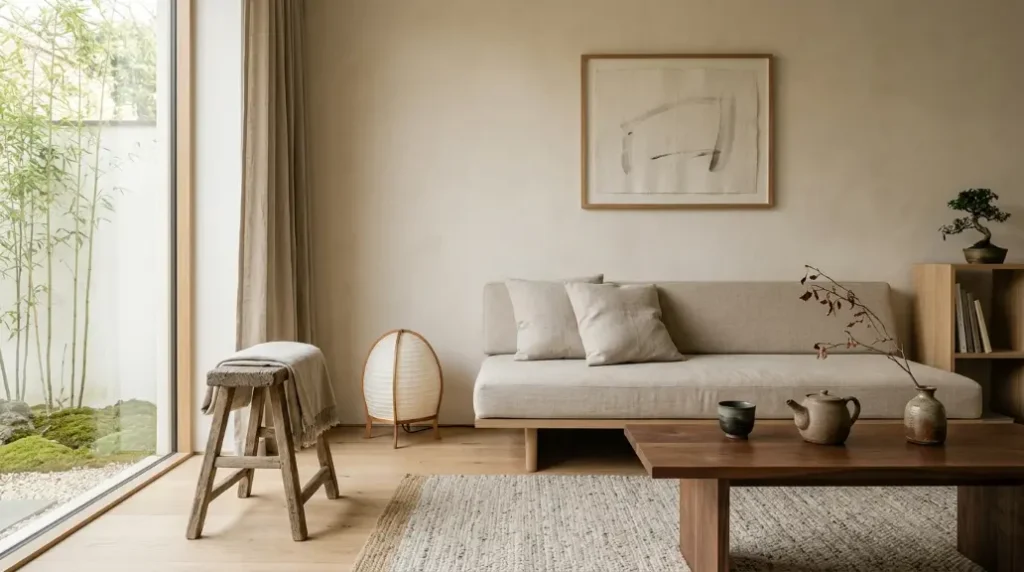
Japandi is a fusion of Japanese and Scandinavian design. It brings together Japan’s wabi-sabi aesthetic, which celebrates the beauty of imperfection and impermanence, with the Scandinavian love of simplicity and natural materials.
The result is a style that feels deeply intentional. Spaces are quiet, uncluttered, and grounded. There is nothing fussy about Japandi. Every item earns its place.
Key Elements:
- Muted natural tones like warm beige, charcoal, and forest green
- Handcrafted ceramic and clay objects
- Low-profile furniture sitting close to the floor
- Organic textures and raw, honest materials
This is a great choice if you want the calmness of minimalism but with more warmth and character.
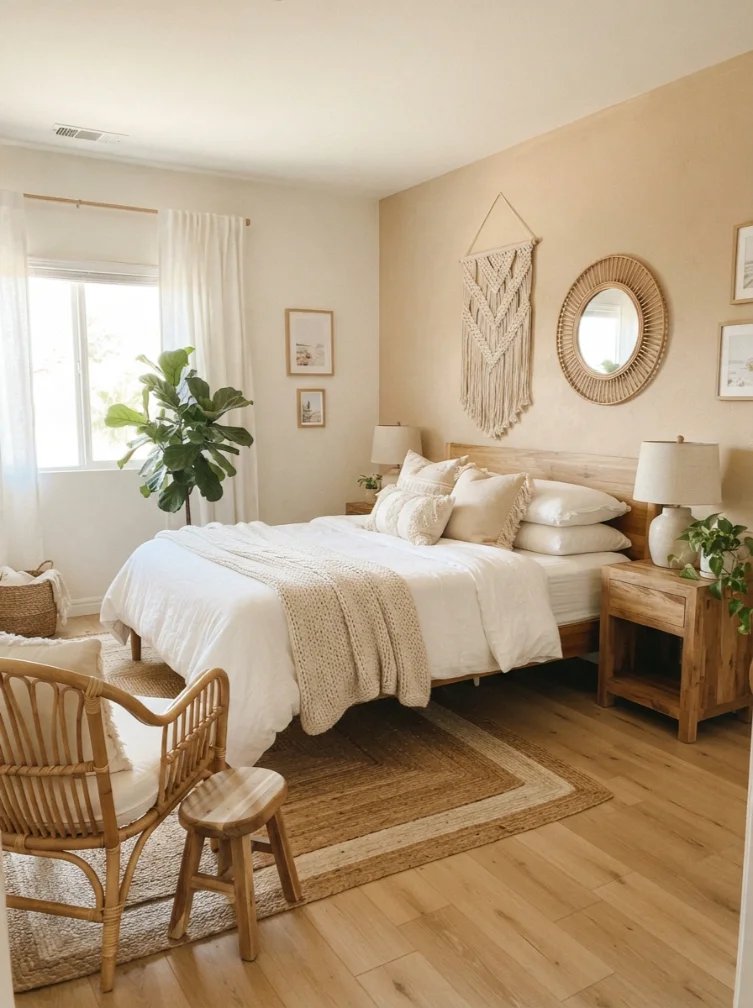
5. Bohemian (Boho) Interior Style
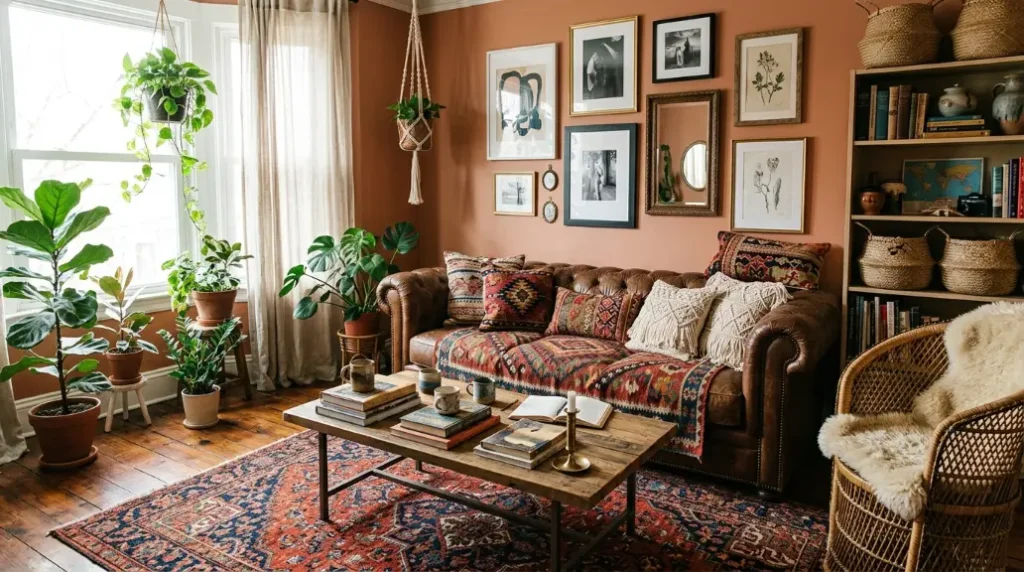
Bohemian interior design is for people who find strict rules a little limiting. It celebrates layering, color, pattern, and a collected look that builds up naturally over time. A boho space feels personal, a little free-spirited, and full of life.
This is one of the most popular home decor styles on Pinterest because it photographs beautifully and allows for real personality to shine through.
Key Elements:
- Rich jewel tones mixed with warm earth tones
- Layered rugs, throw pillows, and mixed textiles
- Rattan, macrame, and woven accents
- Plants in every corner, in every size
Budget Tip: Boho is one of the most affordable styles to pull off. Thrift stores, vintage markets, and global import shops are full of pieces that work perfectly for this look.
6. Industrial Interior Design
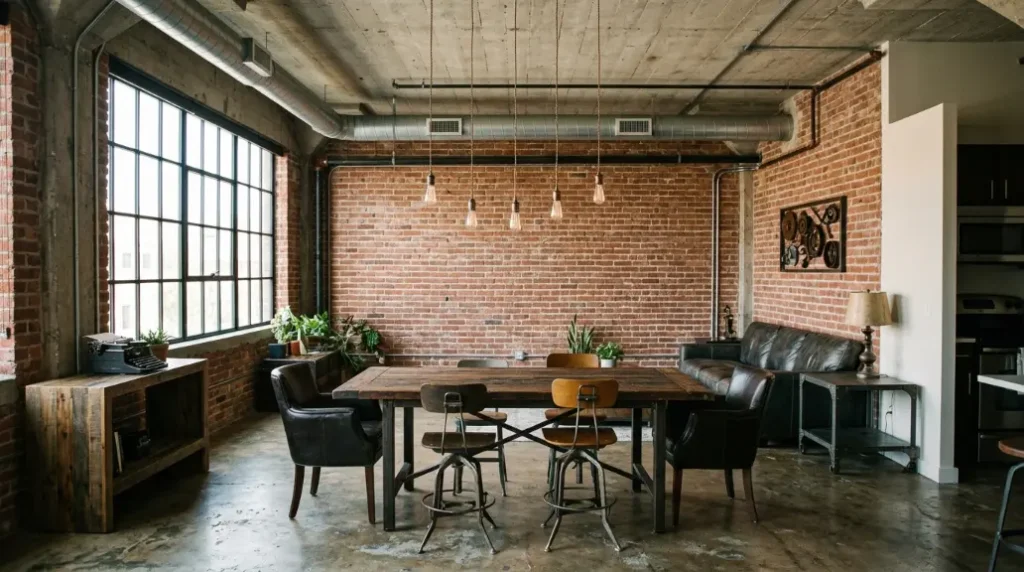
Industrial style takes its inspiration from old warehouses and factory spaces. It celebrates raw, unfinished materials like exposed brick, concrete floors, and metal pipes rather than hiding them behind drywall and paint.
This is a popular house interior design choice for city lofts and open-plan homes. It pairs well with Edison bulbs, dark wood furniture, and vintage-style seating.
Key Elements:
- Exposed structural elements like brick, ductwork, and wooden beams
- Dark, matte metal finishes on hardware and fixtures
- Worn leather furniture
- A neutral and dark color palette with strong black accents
7. Farmhouse Interior Design
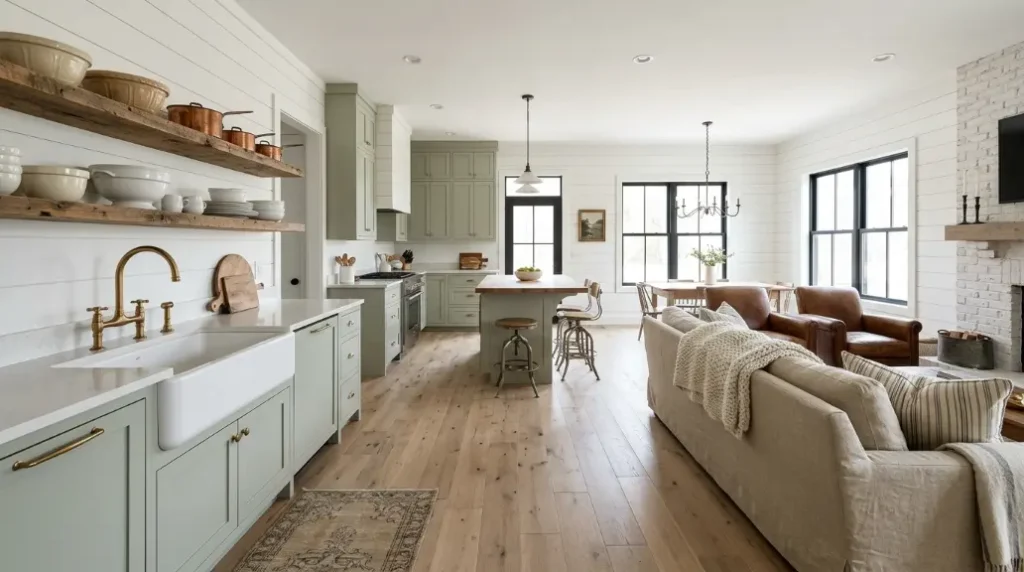
Farmhouse design is warm, welcoming, and rooted in rural American aesthetics. Modern farmhouse interiors are clean and refined while still feeling cozy and unpretentious. It is not the kitschy country look of decades past.
Shiplap walls, apron-front sinks, and open shelving loaded with vintage finds are hallmarks of this style. It works especially well in kitchens and living rooms.
Key Elements:
- White and cream base palette with warm wood accents
- Distressed or painted wood furniture
- Vintage-inspired metal hardware and fixtures
- Natural fibers like jute, cotton, and burlap
8. Mid-Century Modern Design
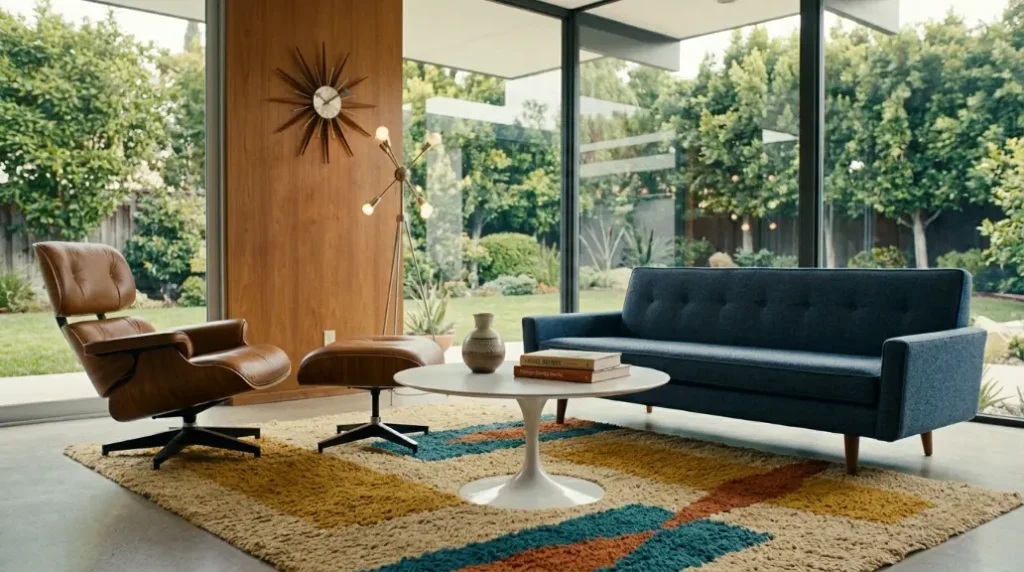
Mid-century modern is one of the most enduring interior aesthetics in history. It covers roughly the 1940s through the 1970s and is defined by organic shapes, tapered furniture legs, and a bold but balanced use of color.
Designers like Eames, Saarinen, and Knoll shaped this look. Today it remains highly relevant because its core principles, form following function and timeless proportions, still hold up beautifully.
Key Elements:
- Warm teak and walnut wood tones
- Mustard yellow, avocado green, and burnt orange accents
- Furniture with tapered or hairpin legs
- Abstract art and clean graphic patterns
9. Coastal Interior Style
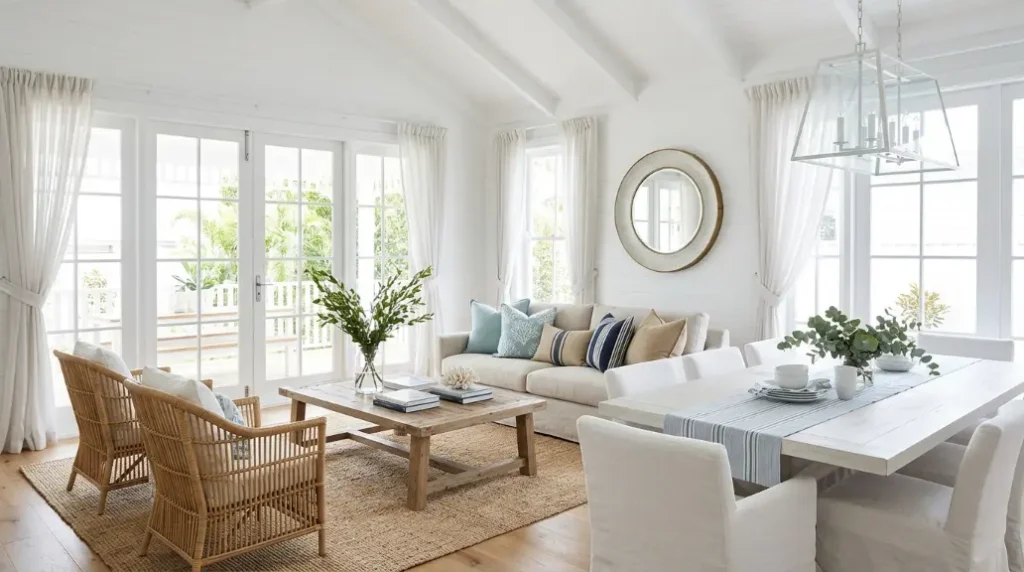
Coastal or Hamptons-style interiors bring the feeling of being near the ocean into any home. The focus is on relaxed, airy, and fresh rather than overdone beach house clichés with seashells everywhere.
This style is defined by natural light, breathable fabrics, and a palette that mirrors sand, sea, and open sky. It works in any home, not just beachfront properties.
Key Elements:
- Navy, white, sandy beige, and sky blue
- Linen, cotton, and jute textiles
- Driftwood accents and rattan furniture
- Large windows and sheer curtains to bring in maximum light
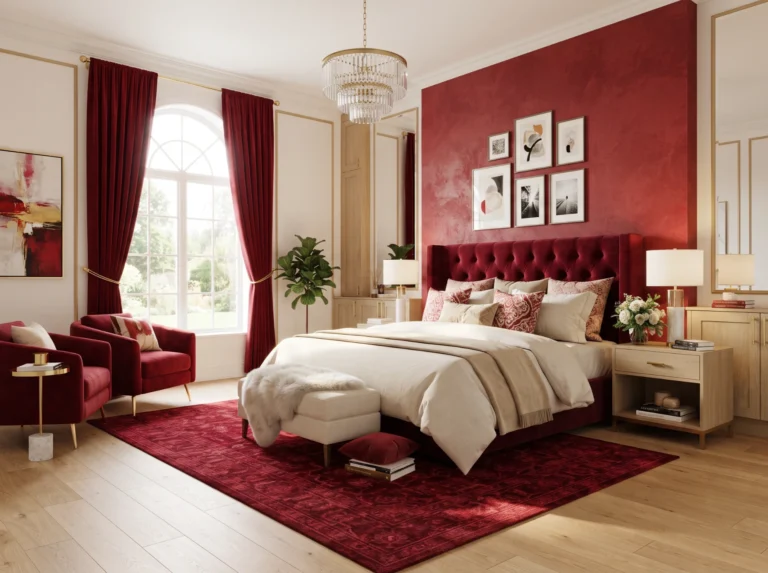
10. Luxury Interior Design
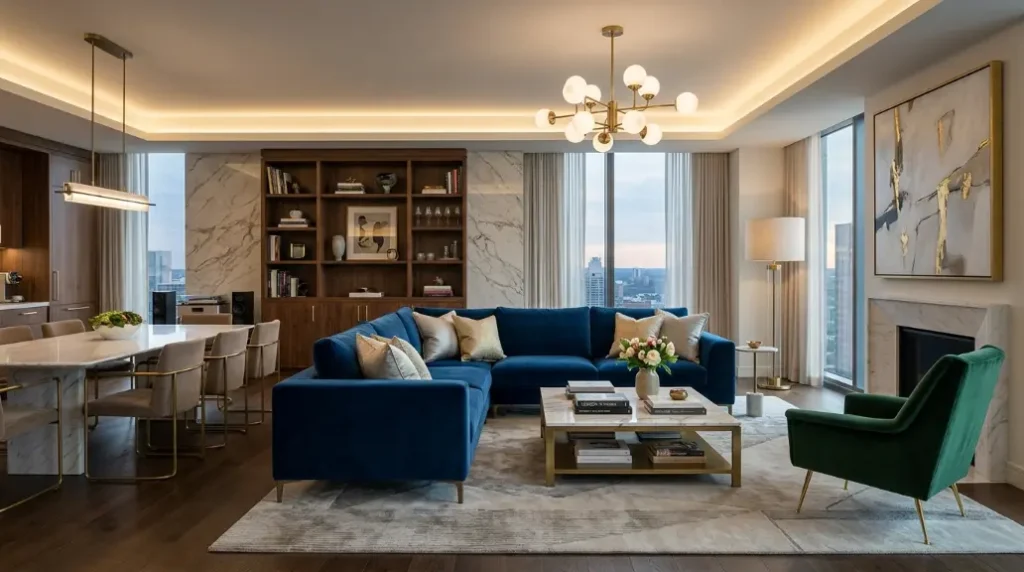
Luxury interior design is not simply about buying expensive things. It is about quality, intentionality, and a sense of refinement in every detail. High-end materials, custom furniture, and careful attention to proportion define this style.
Rich velvet, marble surfaces, gold or brass hardware, and layered lighting all contribute to the elevated feeling that luxury interiors are known for.
Key Elements:
- Deep jewel tones alongside warm neutrals
- Marble, polished stone, and lacquered finishes
- Custom or statement furniture pieces
- Layered lighting with chandeliers and warm accent lamps
11. Rustic Home Decor
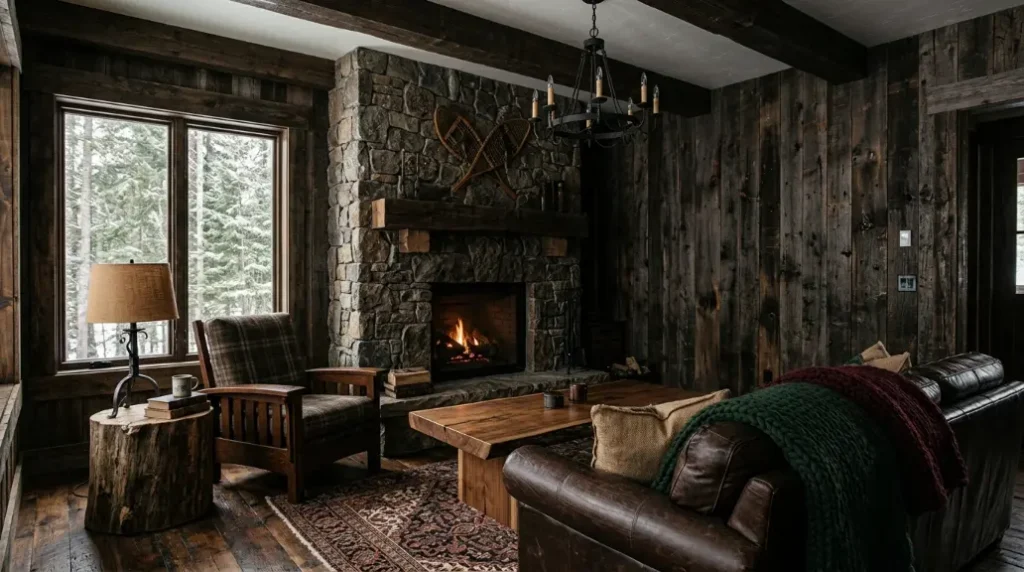
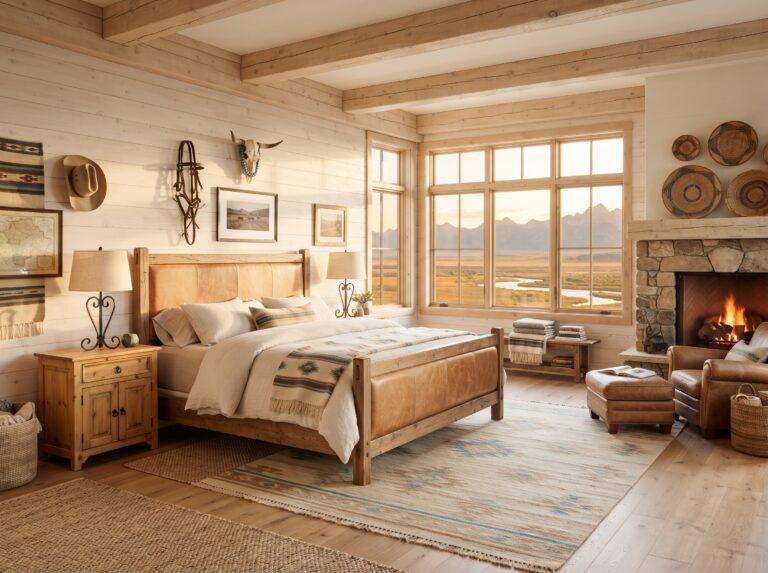
Rustic decor celebrates raw nature. It embraces imperfection, aged wood, stone walls, and a sense of history and permanence. Unlike farmhouse style, rustic tends to be darker and moodier with heavier, more textured materials throughout.
Think mountain lodge, cabin in the woods, or a stone country house. Natural and untreated materials are central to the look.
Key Elements:
- Dark reclaimed wood and rough-hewn ceiling beams
- Stone accents on walls and floors
- Leather, flannel, and wool textiles
- Wrought iron fixtures and hardware
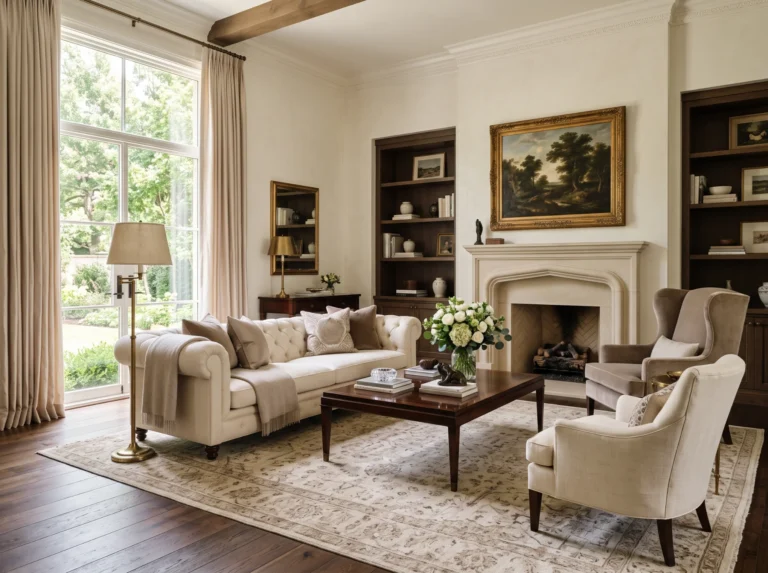
12. Traditional Interior Design
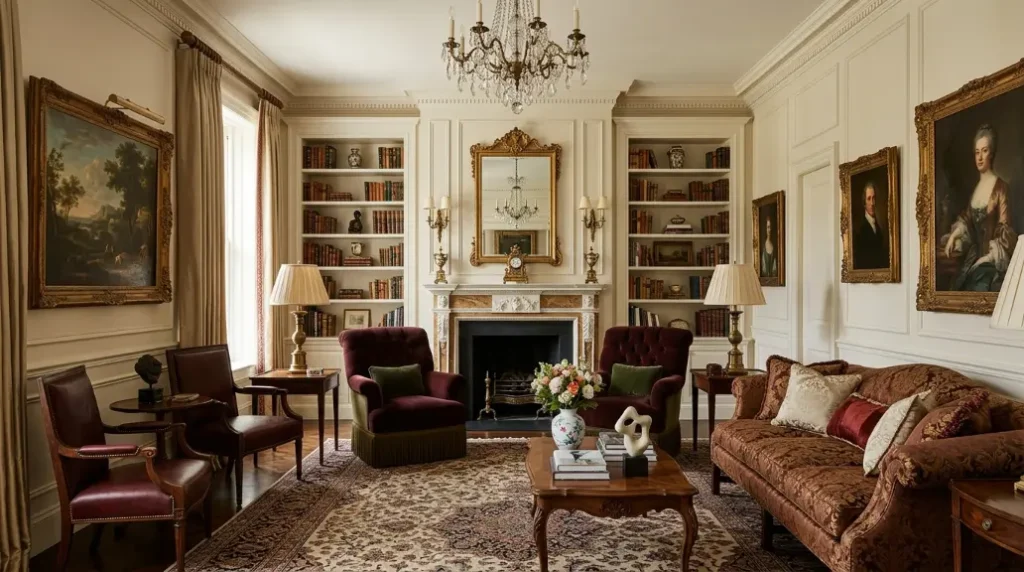
Traditional style draws from European design history, particularly English and French influences. It is formal, symmetrical, and rich in decorative detail. Crown molding, upholstered seating, and antique-inspired furniture are all defining features.
This is not an outdated style. Well-executed traditional interiors feel timeless and considered, especially when mixed carefully with more contemporary pieces.
Key Elements:
- Warm, rich colors like burgundy, navy, and forest green
- Ornate furniture with carved wood details
- Patterned fabrics including damask, plaid, and floral
- Symmetrical arrangements and formal room layouts
13. Eclectic Interior Style
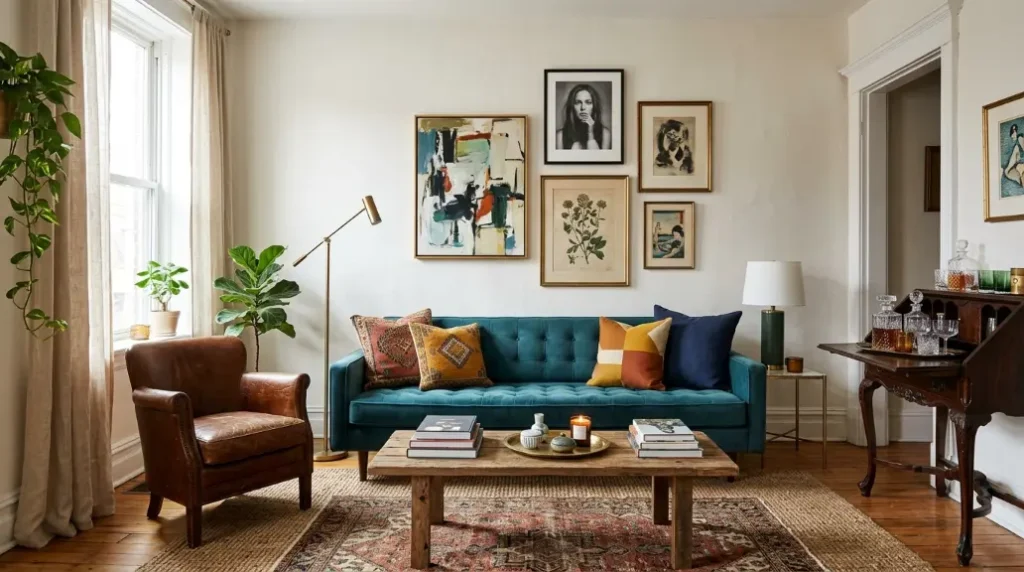
Eclectic interiors are built on the belief that design rules exist to be questioned. This style mixes periods, cultures, and aesthetics in a way that feels personal and curated rather than chaotic or careless.
The key to making eclectic work is finding a unifying thread: a consistent color palette, a repeated material, or a shared sense of scale among the pieces. Without that thread, it looks accidental. With it, it looks intentional.
Key Elements:
- Furniture from different eras and cultural origins
- Bold, personal artwork and wall decor
- A unifying color story that holds everything together
- Careful pattern mixing across textiles and surfaces
14. Vintage Home Decor
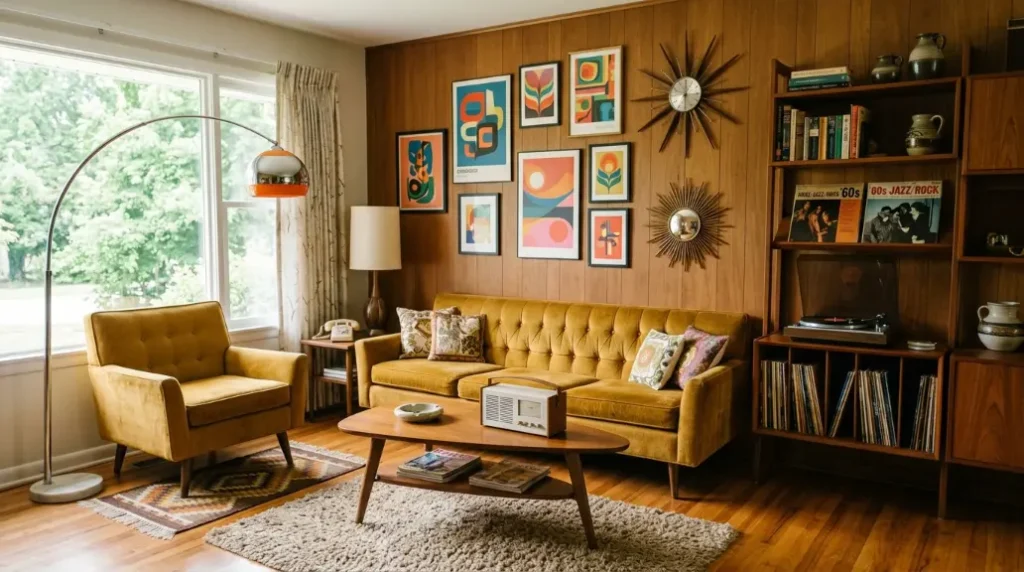
Vintage interiors are distinct from antique or rustic styles. The sweet spot for vintage is roughly items that are 20 to 100 years old. Pieces from the 1950s, 60s, and 70s are particularly popular right now, bringing retro charm into modern homes.
This is a great option for budget-conscious decorators because vintage and secondhand shopping often turns up high-quality finds at a fraction of retail prices.
Key Elements:
- A mix of periods with a focus on the mid-20th century
- Floral or geometric vintage prints on fabrics and wallpaper
- Pastel and retro color palettes
- Repurposed and upcycled furniture with a story
15. Art Deco Interior Style
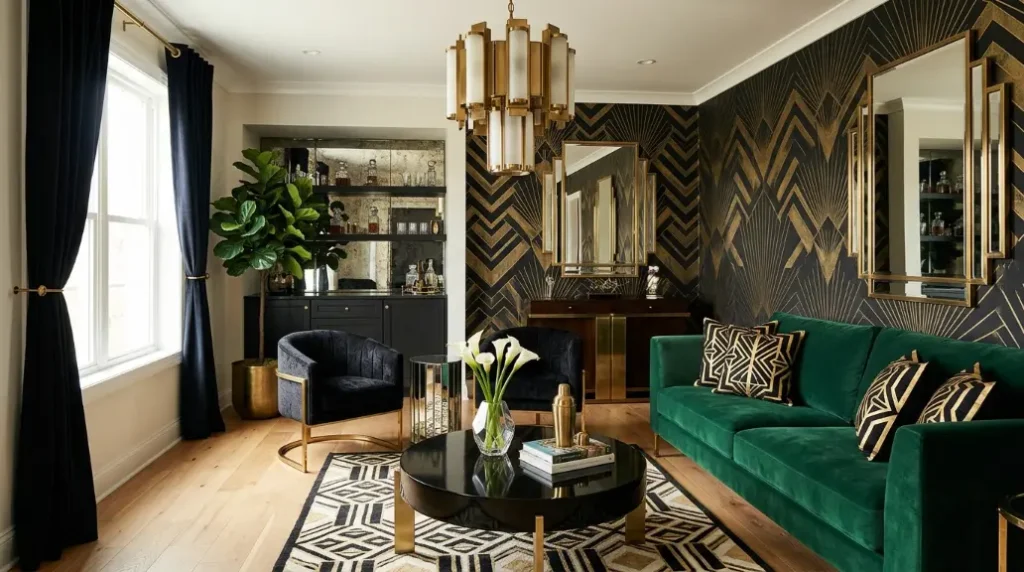
Art Deco emerged in the 1920s and 30s and is experiencing a strong comeback in contemporary homes. It is defined by bold geometric shapes, luxurious materials, and a strong sense of glamour and sophistication.
Think mirrored surfaces, bold black and gold combinations, chevron and sunburst patterns, and velvet upholstery. Art Deco is theatrical in the most stylish way possible.
Key Elements:
- Bold geometric patterns and strong symmetry
- Gold, black, and deep jewel tones
- Mirrored furniture and high-gloss lacquered surfaces
- Velvet and silk textiles
16. Biophilic Interior Design
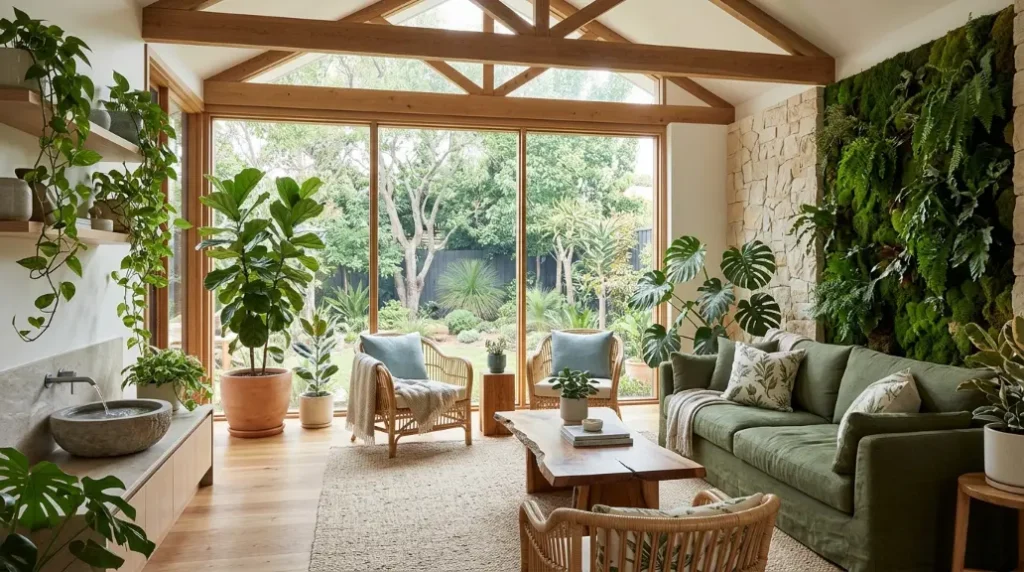
Biophilic design is built on the understanding that humans feel calmer and more comfortable when they are connected to nature. It brings natural elements into the home through plants, natural light, water features, organic materials, and nature-inspired color palettes.
This is one of the fastest-growing interior styling ideas and it pairs well with nearly every other style on this list.
Key Elements:
- Living plants placed throughout every room
- Natural materials like wood, stone, rattan, and linen
- Earthy, nature-inspired color palettes
- Maximizing natural light through smart window placement
17. Wabi-Sabi Interior Aesthetic
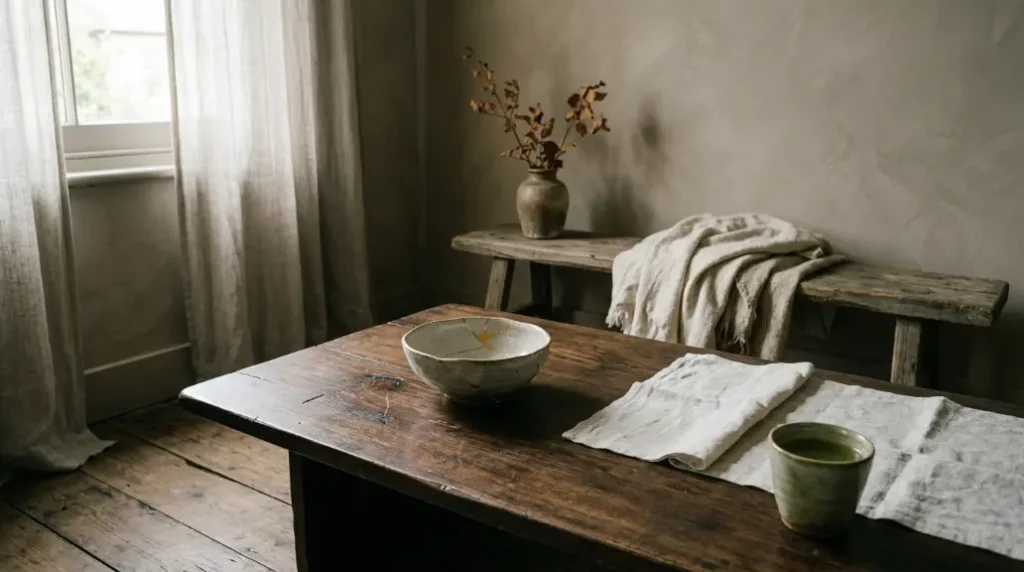
Wabi-sabi is a Japanese philosophy that finds genuine beauty in imperfection, impermanence, and incompleteness. As an interior style, it means embracing the worn, the handmade, and the natural over the perfectly polished and machine-made.
Cracked pottery, raw linen, aged wood, and earthy neutrals all belong here. It is a calming, honest, and deeply personal aesthetic.
Key Elements:
- Textured, handmade ceramics and decorative objects
- Natural and aged materials with visible signs of wear
- A palette of earth, clay, and ash tones
- A deliberate absence of visual clutter
you may also like this: 17 Stylish Home Decor Trends Ideas Modern Design 2026
18. Maximalist Interior Design
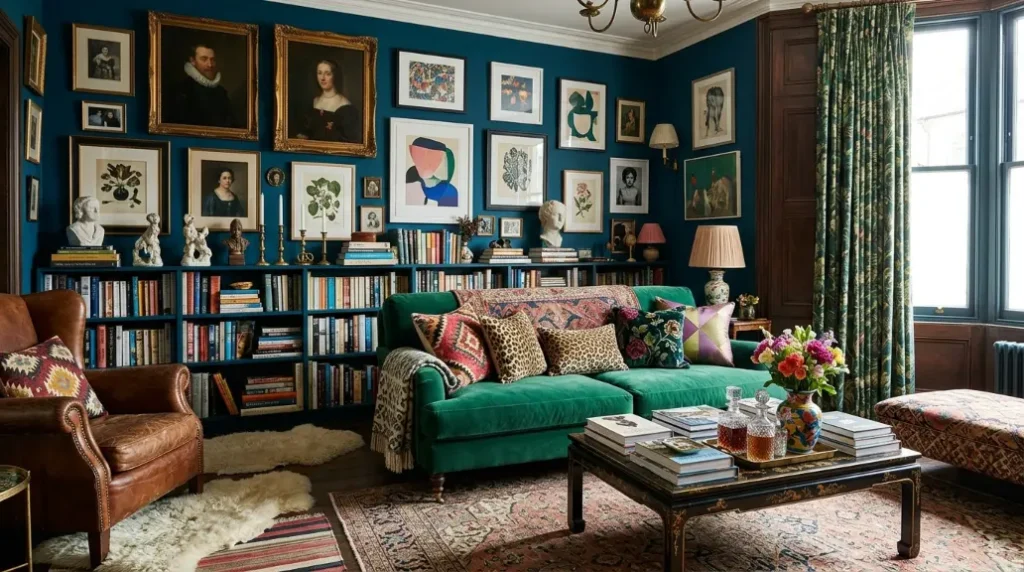
Maximalism is not disorder. It is the bold and intentional layering of colors, patterns, textures, and meaningful objects to create a rich and immersive living space. If minimalism whispers, maximalism confidently speaks.
This style requires a strong editorial eye. The goal is abundance that feels purposeful, not random. Collectors, art lovers, and people with bold personalities tend to be naturally drawn to this look.
Key Elements:
- Bold, saturated colors used in multiple combinations
- Pattern mixed with pattern: florals with stripes, checks with geometrics
- Layered gallery walls and stacked shelving
- Personal collections, mementos, and meaningful objects on display
19. Mediterranean Interior Style
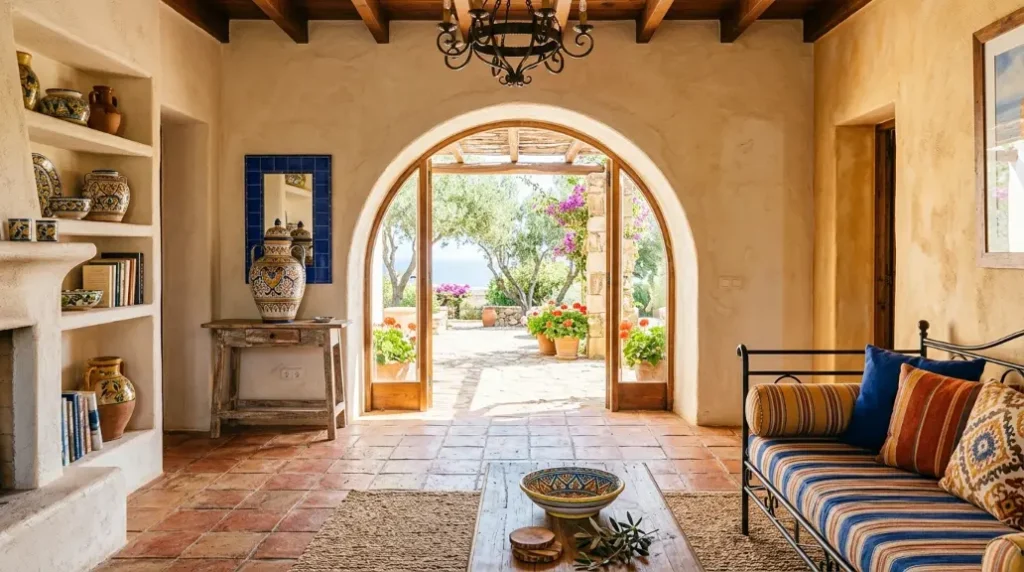
Mediterranean design draws from the homes of Spain, Italy, and Greece. It is warm, textured, and full of character. Terracotta tile floors, arched doorways, hand-painted ceramics, and a sun-drenched color palette define the look.
This style rewards texture mixing and works especially well in warm climates or any south-facing room that gets plenty of light.
Key Elements:
- Terracotta, warm white, and golden yellow tones
- Arched architectural details on doorways and windows
- Hand-painted tiles and mosaic accents
- Wrought iron fixtures and clay pottery
20. Transitional Interior Design
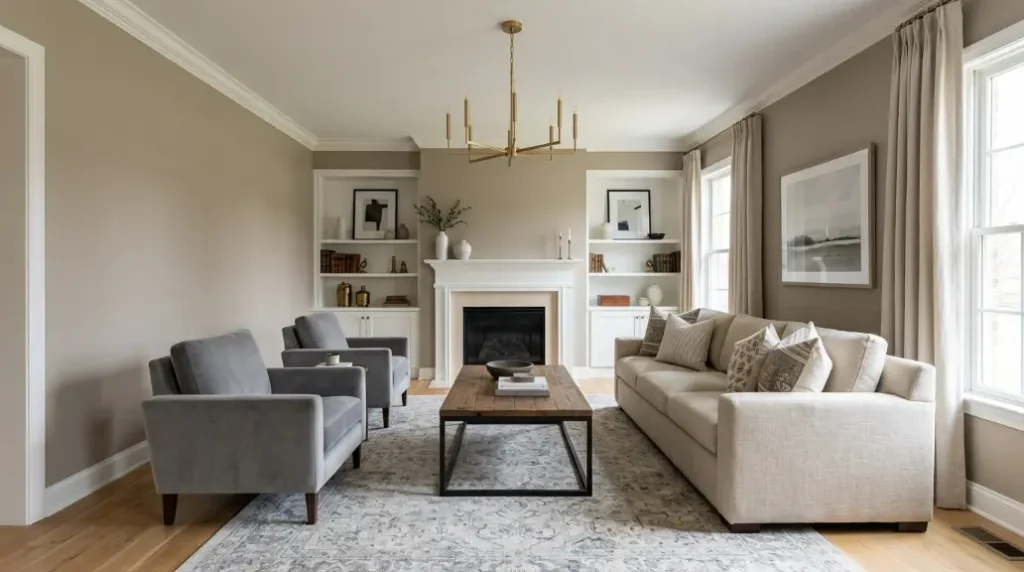
Transitional design bridges the gap between traditional and contemporary. It takes the comfort and warmth of classic decor and pairs it with the clean lines and simplicity of modern design. The result is a timeless, versatile aesthetic that appeals to a wide range of people.
This is often the style that designers land on when clients say they want something that is not too modern and not too traditional. It is a balanced middle ground that ages gracefully.
Key Elements:
- Neutral palettes with layered warm and cool tones
- Classic furniture silhouettes with cleaner, simpler upholstery
- Simple but high-quality hardware and fixtures
- A thoughtful mix of wood tones and polished finishes
Common Mistakes to Avoid When Choosing an Interior Design Style
Mixing too many styles without a clear plan: Every room should have one dominant style. You can bring in accents from other aesthetics, but there needs to be a clear visual leader. Choose your primary style first, then layer in supporting elements with care.
Buying furniture before deciding on a color palette: Color is the foundation of any interior design style. Choose your palette first, then source furniture and textiles that work within it. Doing it the other way around almost always leads to mismatched rooms that feel unfinished.
Ignoring scale and proportion: A beautiful sofa in the wrong size can ruin an otherwise well-styled room. Before buying any large piece of furniture, measure your space carefully and map it out on paper. Scale matters just as much as style.
Over-accessorizing too quickly: A very common beginner mistake is filling every surface immediately after moving in. Live in the space for a few weeks before adding accessories. You will have a much clearer sense of what the room actually needs.
Practical Styling Tips for Any Interior Design Style
- Start with a mood board and collect images you genuinely love before buying anything
- Test paint colors on the actual wall before committing to a full tin
- Invest in a few quality anchor pieces rather than many inexpensive items
- Use rugs to define separate zones in open-plan living spaces
- Layer your lighting with three types: ambient, task, and accent
- Add plants to bring life and organic texture into any room and any style
- Keep a consistent metal finish throughout the room to maintain visual cohesion
Final Thoughts
There is no single right answer when it comes to popular interior design styles. The best style is simply the one that reflects how you actually live and what genuinely makes you feel at home.
Start by identifying a few styles you are naturally drawn to. Look at the key elements, color palettes, and materials that define each one. Then begin slowly, with paint, textiles, or one anchor piece of furniture.
A well-styled home does not happen overnight and it rarely comes together by accident. It takes a little thought, a little patience, and a clear sense of what you want the space to feel like.
With the 20 styles covered in this guide, you now have a solid starting point. Pick the one that resonates most with your personality and lifestyle, start small, and build from there.
Frequently Asked Questions
1. What is the most popular interior design style right now?
In 2025, Japandi, Modern Minimalist, and Transitional design are among the most widely searched and admired styles. Earthy tones, natural materials, and functional furniture are trending across all three. Coastal and Bohemian styles also remain very strong, especially on Pinterest.
2. How do I choose the right interior design style for my home?
Start by collecting images of rooms you genuinely love, not rooms you think you should love. Look for patterns in what draws you in. Are those rooms minimal or layered? Warm or cool? Industrial or natural? Those patterns will point you clearly toward your dominant style.
3. Can I mix different interior design styles in one home?
Yes, and many beautifully designed homes do exactly that. The key is to choose one dominant style per room and keep a consistent element across spaces, such as a shared color palette or repeated material, to tie everything together. Mixing without any plan creates a disjointed look.
4. What is the difference between modern and contemporary interior design?
Modern design refers to a specific historical period, roughly the 1920s through the 1970s, with defined characteristics like clean lines and natural materials. Contemporary design simply means what is current right now. Contemporary styles keep evolving with time, while modern design is a fixed historical aesthetic.
5. What is the easiest interior design style for beginners?
Scandinavian and Modern Minimalist are both excellent starting points. They rely on a simple color palette, functional furniture, and a quality-over-quantity approach. Bohemian is also beginner-friendly because it embraces imperfection and rewards thrifting and personal expression rather than requiring expensive or hard-to-find purchases.