

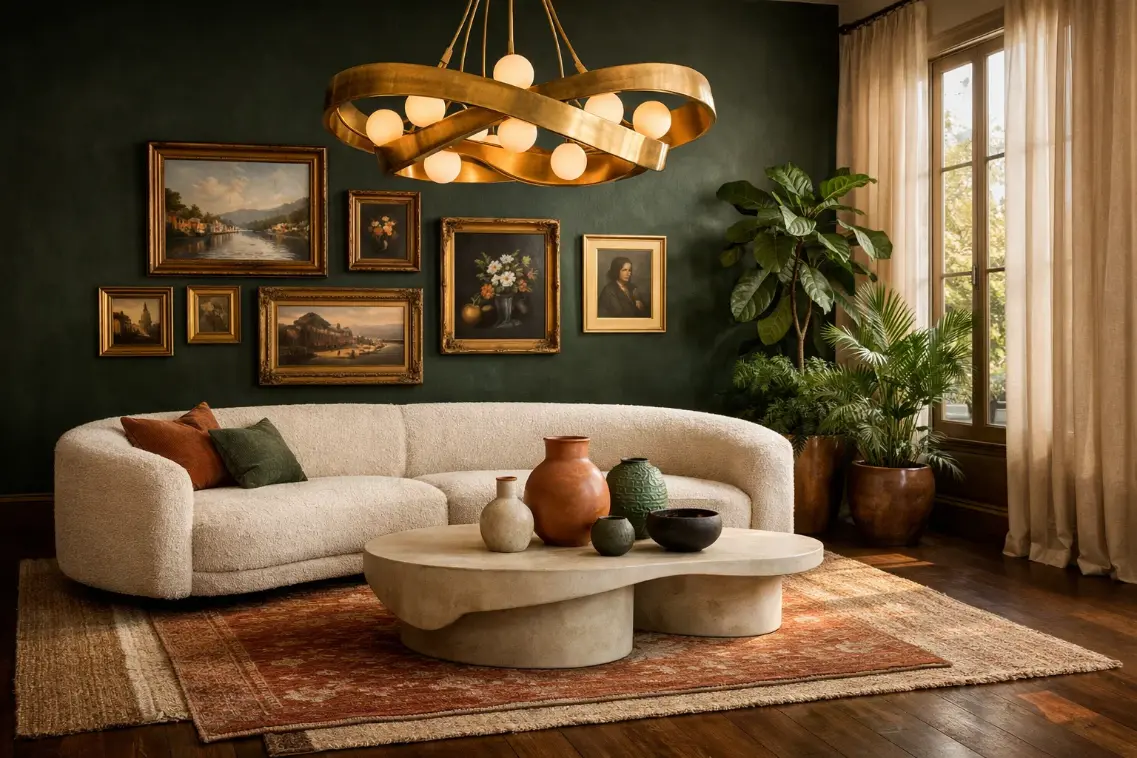
17 Stylish Home Decor Trends Ideas Modern Design 2026
The way people design their homes has shifted in a meaningful and lasting direction. After years of clean lines, stark whites, and pared-down minimalism, 2026 is responding with something richer, warmer, and far more personal. Home decor trends this year are not simply about following what looks good on a mood board. They are about creating spaces that feel lived in, emotionally resonant, and genuinely reflective of the people who inhabit them.
Whether you are refreshing a single room or reimagining your entire home, understanding the dominant directions in modern design gives you the confidence to make choices that feel both current and enduring. From moody color palettes to handcrafted furniture with traceable origins, the strongest home decor trends of 2026 share one common thread: intention. Every detail should earn its place.
1 Warm and Moody Color
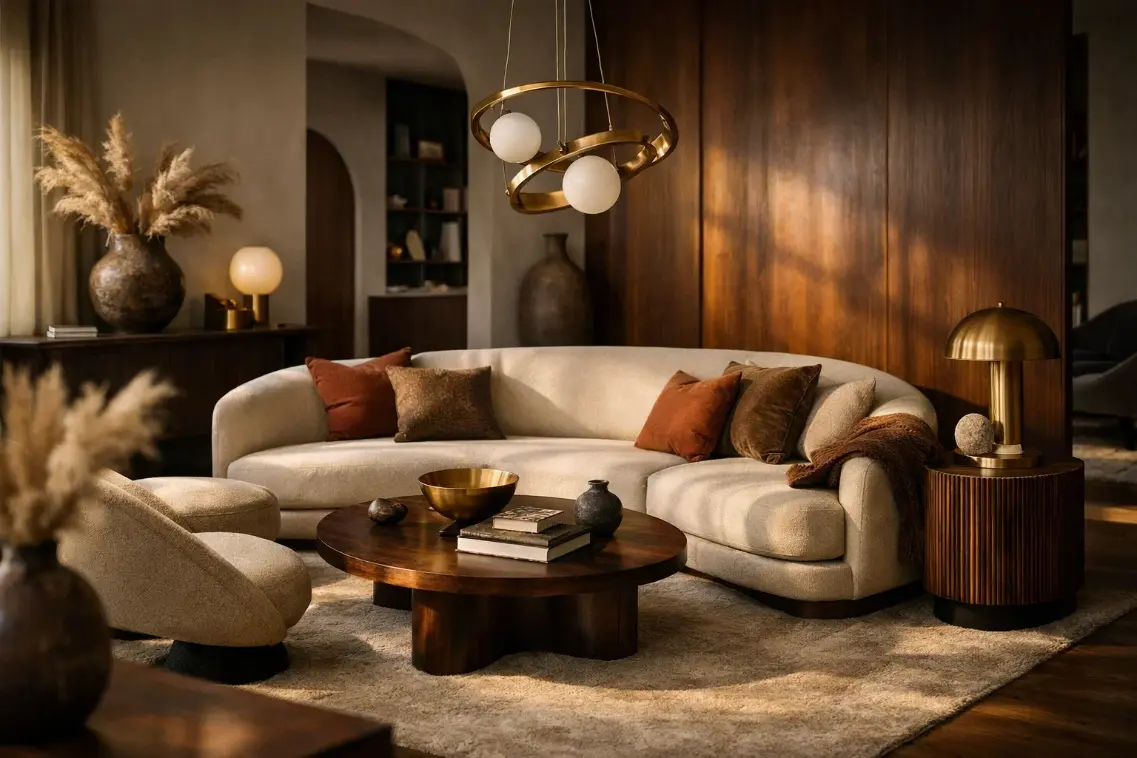
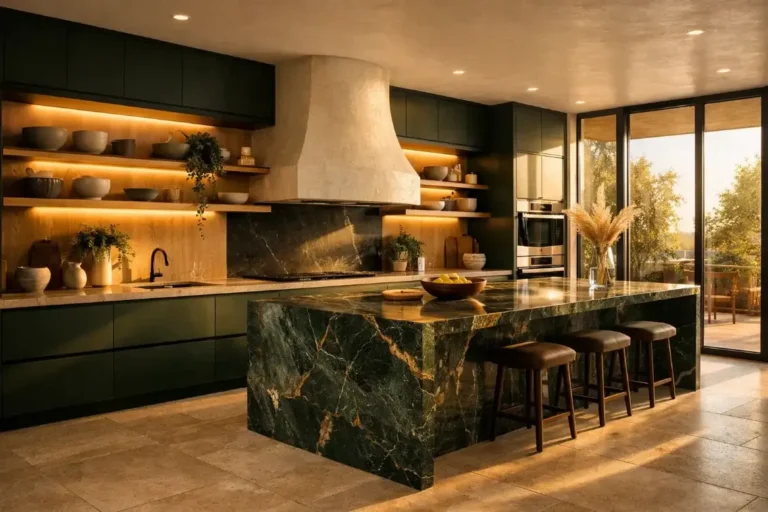
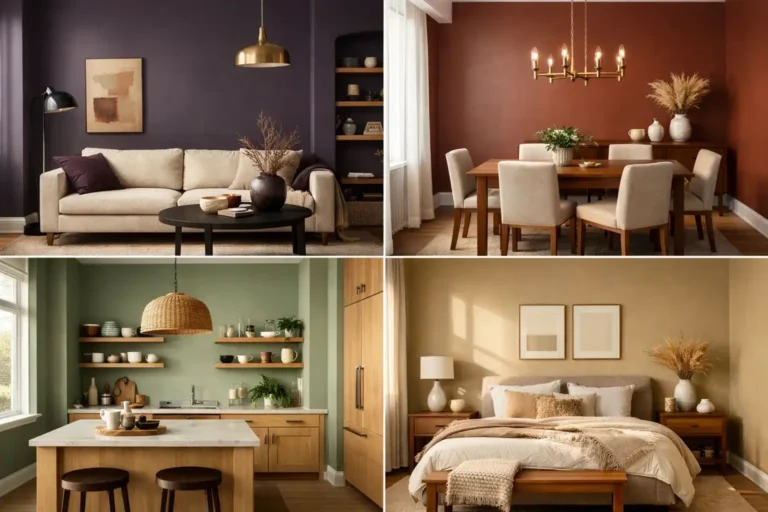
The long reign of all-white interiors is officially over. Designers are favoring interiors that feel warmer, darker, and more expressive, ones that prioritize moody atmosphere over brightness and tactility over seamless finishes. Think deep forest greens, chocolate browns, terracotta, and ruddy reds. Rust-colored paint is appearing on interior walls from Brooklyn lofts to California ranch houses, and clay tones shift beautifully through the day, warmer at noon and deeper by evening.
2 Curved and Organic Furniture Shapes
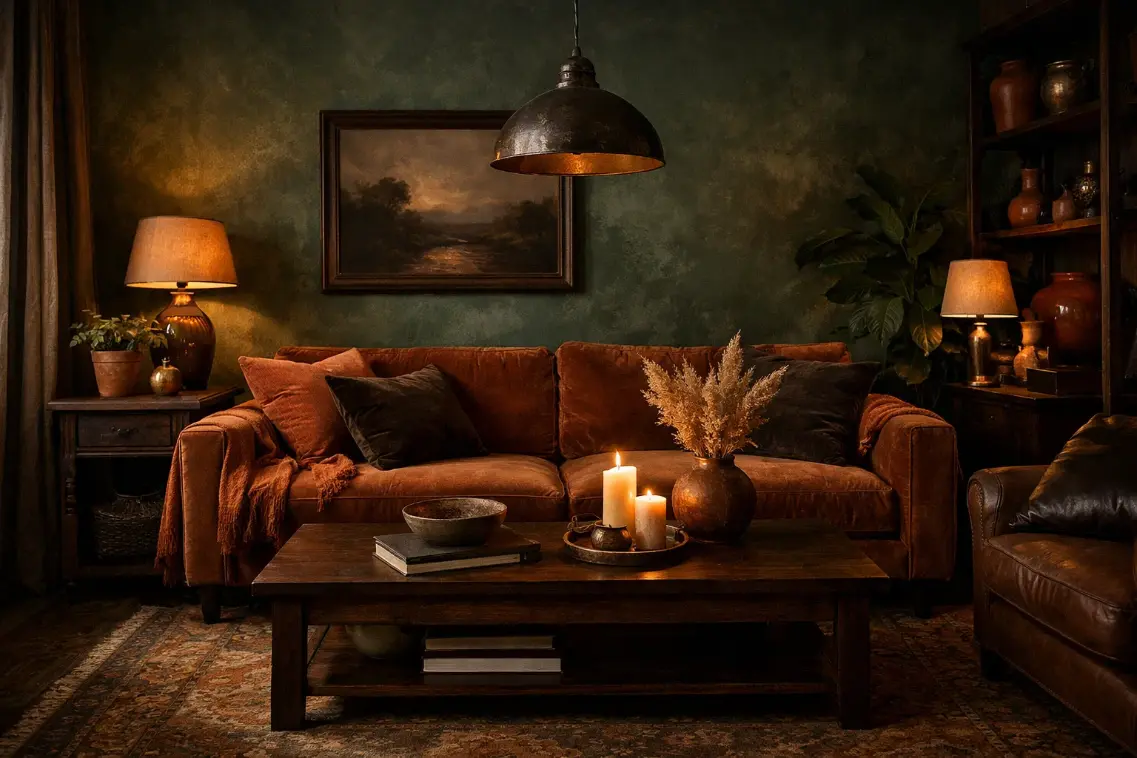
Straight lines are giving way to softness. Curved furniture brings a sense of coziness and warmth to a room, and very straight lines on furniture can look uninviting by comparison.Sofas, armchairs, and dining tables with rounded silhouettes are appearing across all price points, and 69 percent of designers surveyed preferred curves over clean-lined pieces when asked about furniture shape preferences.
3 Layered Textures and Mixed Materials
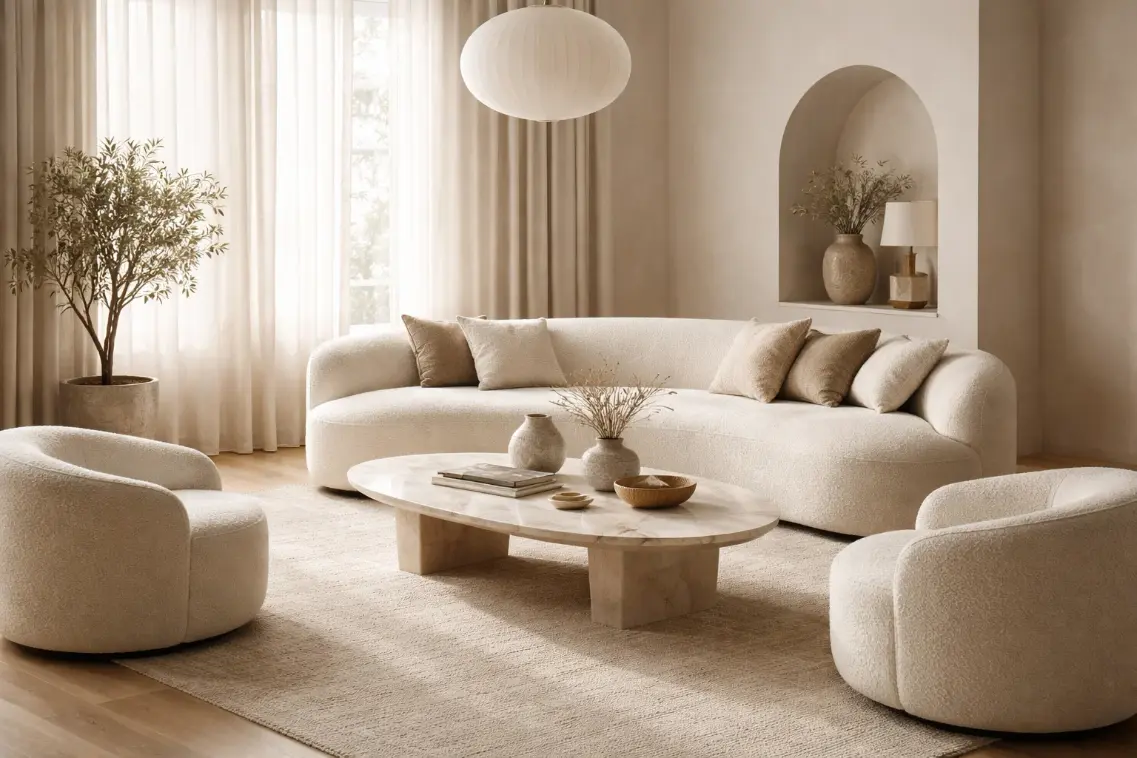
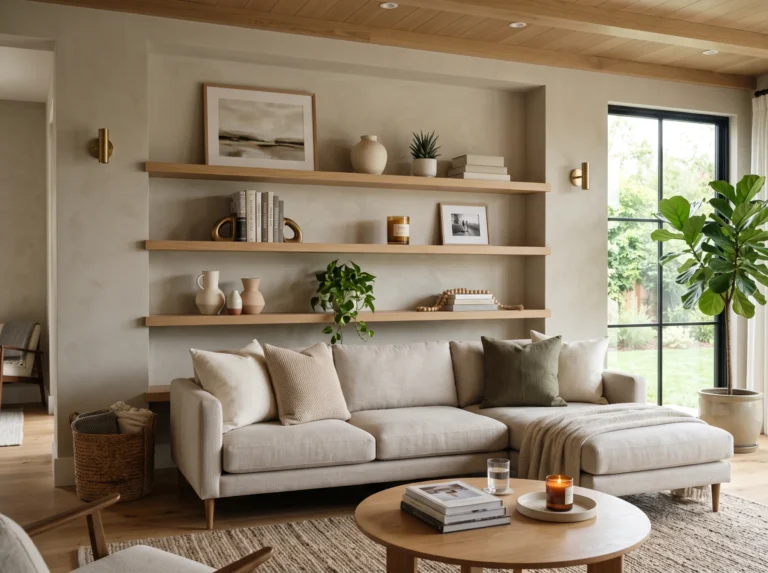
A single flat texture no longer creates a compelling room. The design direction for 2026 centers around creating spaces that feel layered, warm, and full of character. Mixing silk with velvet, rough linen with polished stone, or matte plaster with warm brass is the approach modern designers are endorsing. The contrast between materials is what gives a room its visual depth and sensory richness.
4 Sustainable and Hyper-Local Craftsmanship
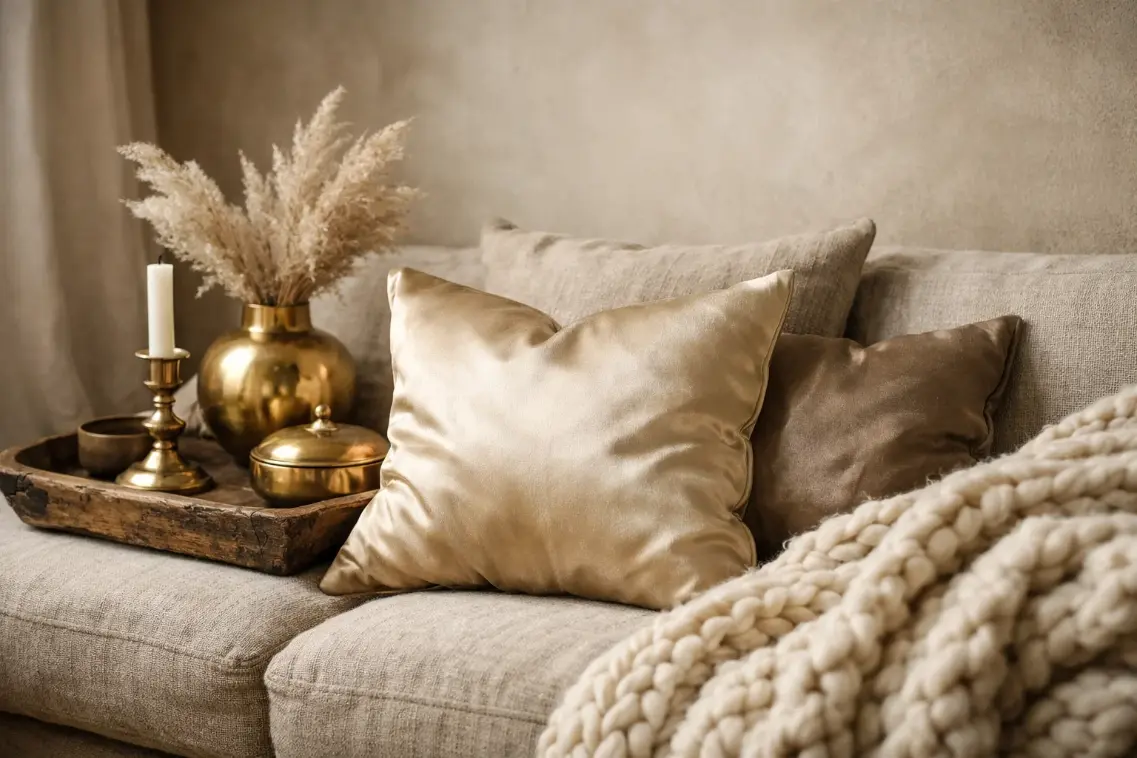
While eco-chic design in the early 2020s still leaned on mass production, interior design in 2026 obsesses over one-off pieces with origins buyers can actually trace, with makers using both hand tools and CNC machines to turn offcuts and salvaged wood into furniture built to last. Provenance matters. Owning something made by a local artisan carries more meaning than a mass-produced replica.
5 Earthy and Natural Tones as a Foundation
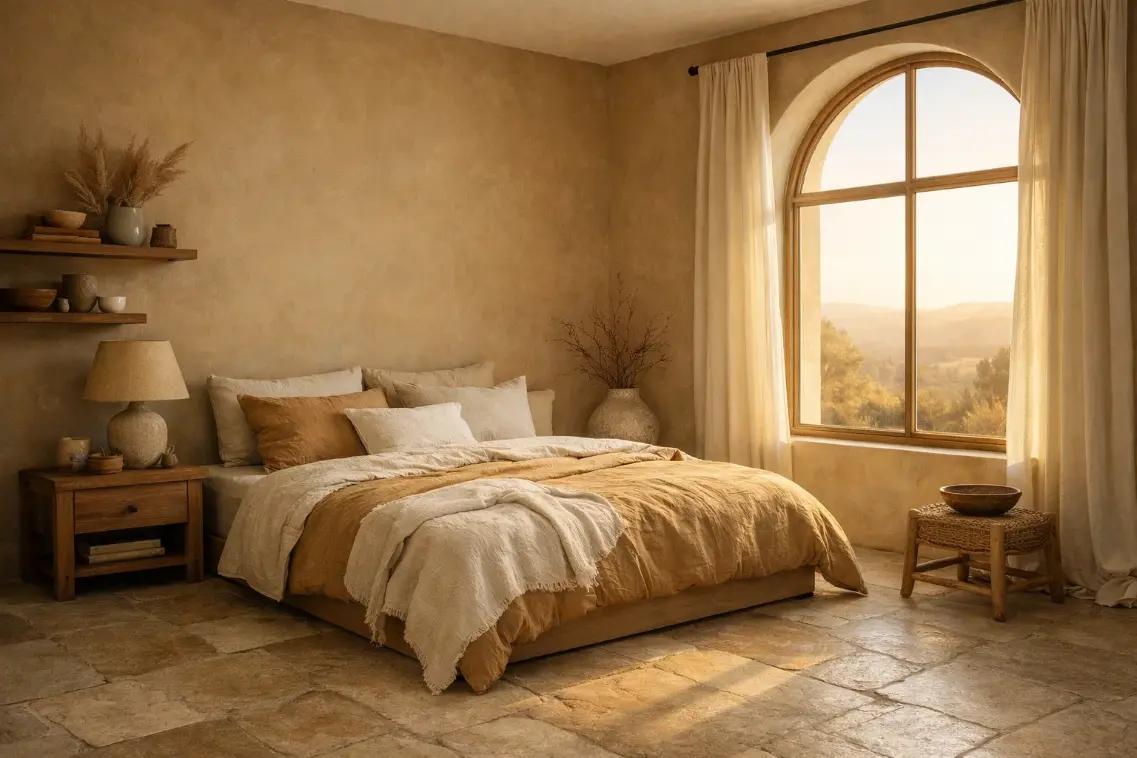
This year’s defining trends reflect a collective shift from stark minimalism toward layered spaces, natural materials, and color palettes inspired by the world outside our windows. Warm stone, sand, clay, and dried grass tones are replacing cool grays as the neutral base of choice. These shades complement natural light beautifully and age gracefully with a home.
6 Statement Wallpaper
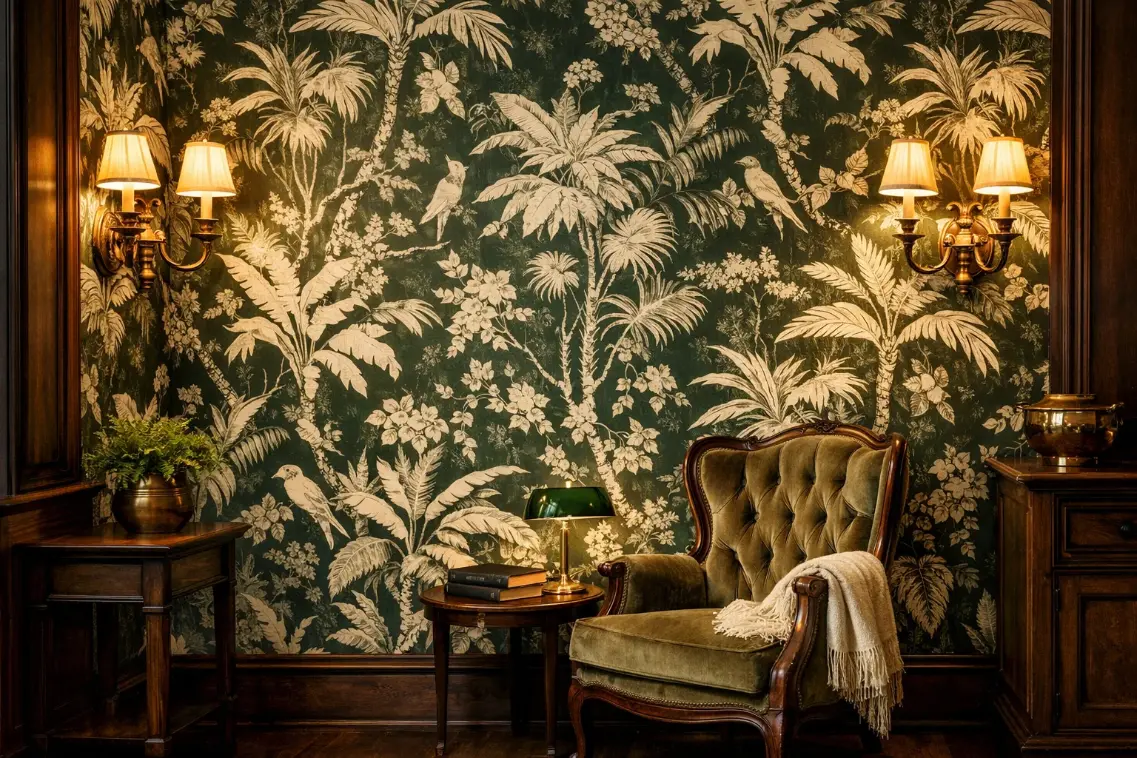
When it comes to wallpaper, 59 percent of designers favor all-over patterned wallpaper rather than a single mural wall. Wallpaper has become a complete design statement. Scenic prints, botanical patterns, and vintage toile are being used not just in living rooms but in unexpected spaces like kitchens and hallways to create atmosphere and drama.
7 Brass and Warm Metal Finishes
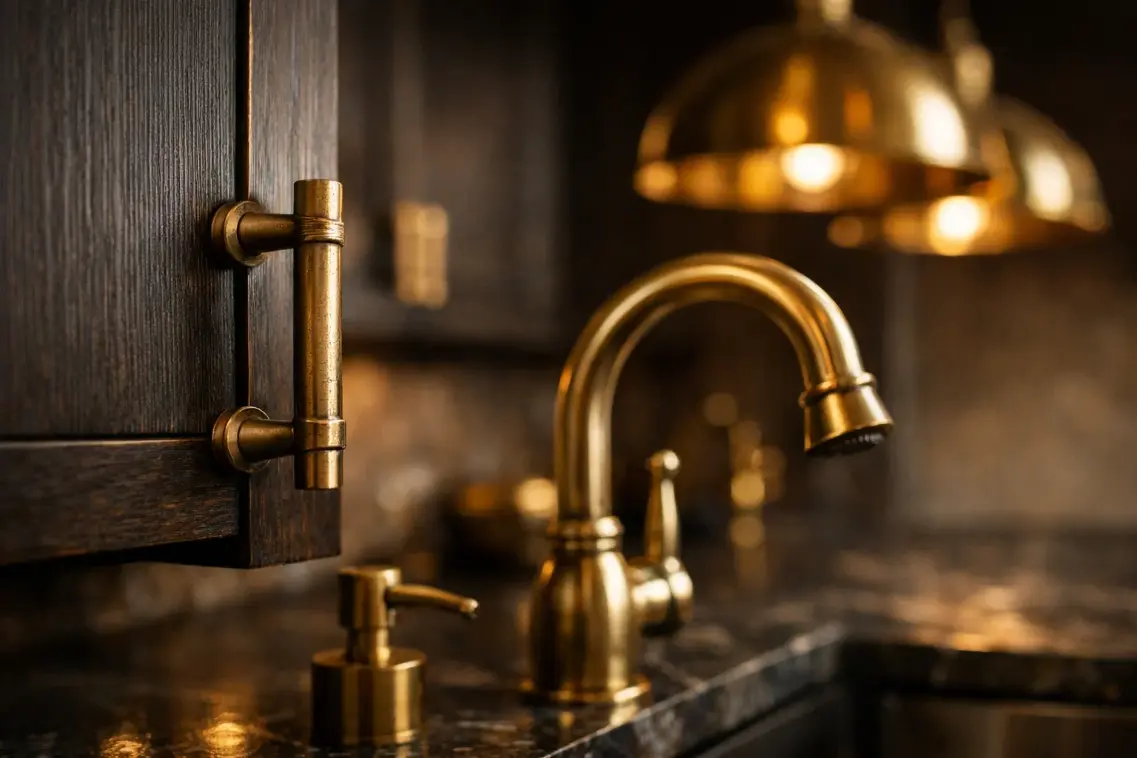
Cool chrome and brushed nickel are stepping aside. Brass took a commanding lead over chrome, with 79 percent of designers preferring it for everything from drawer pulls to lighting to faucets. Warm metal finishes add a sense of timeless elegance to a space without trying too hard.
8 Dark and Brunette Wood Tones
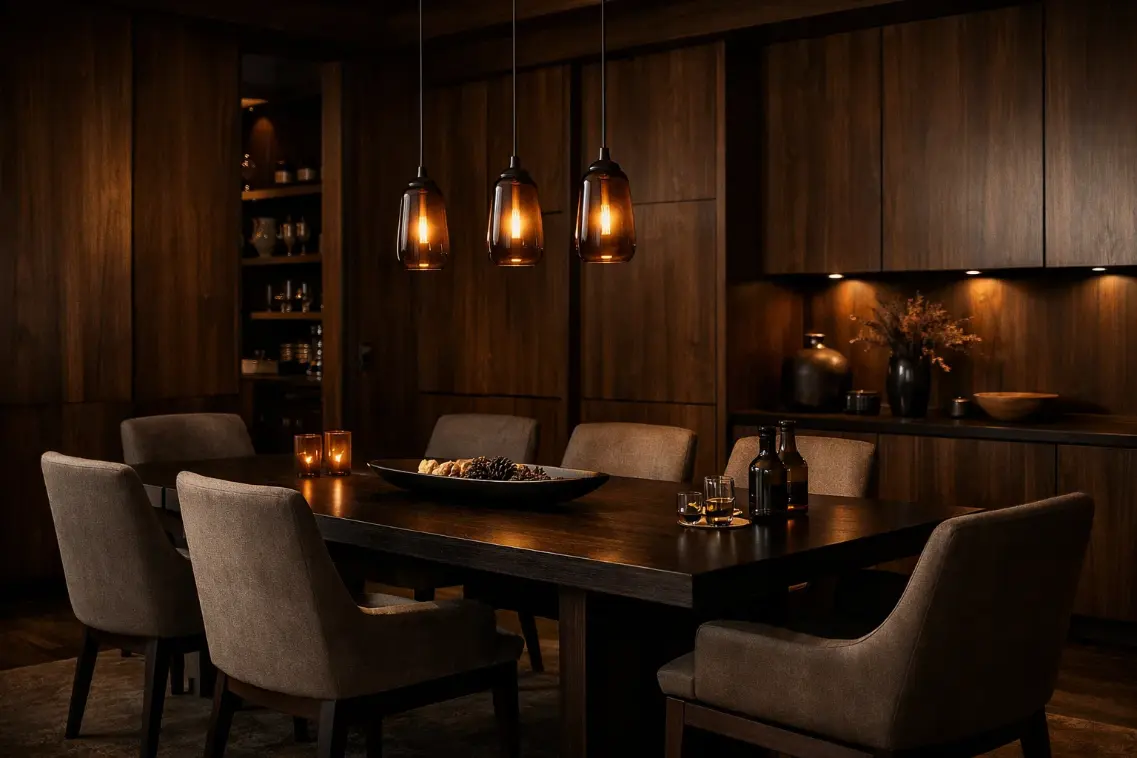
Brunette wood tones took a commanding lead over blonde wood in design polls, and whether selecting cabinetry, flooring, or case goods, darker wood finishes are the direction modern designers are moving toward. Rich walnut, dark oak, and espresso-stained wood bring warmth and gravitas to any room.
9 Color Drenching
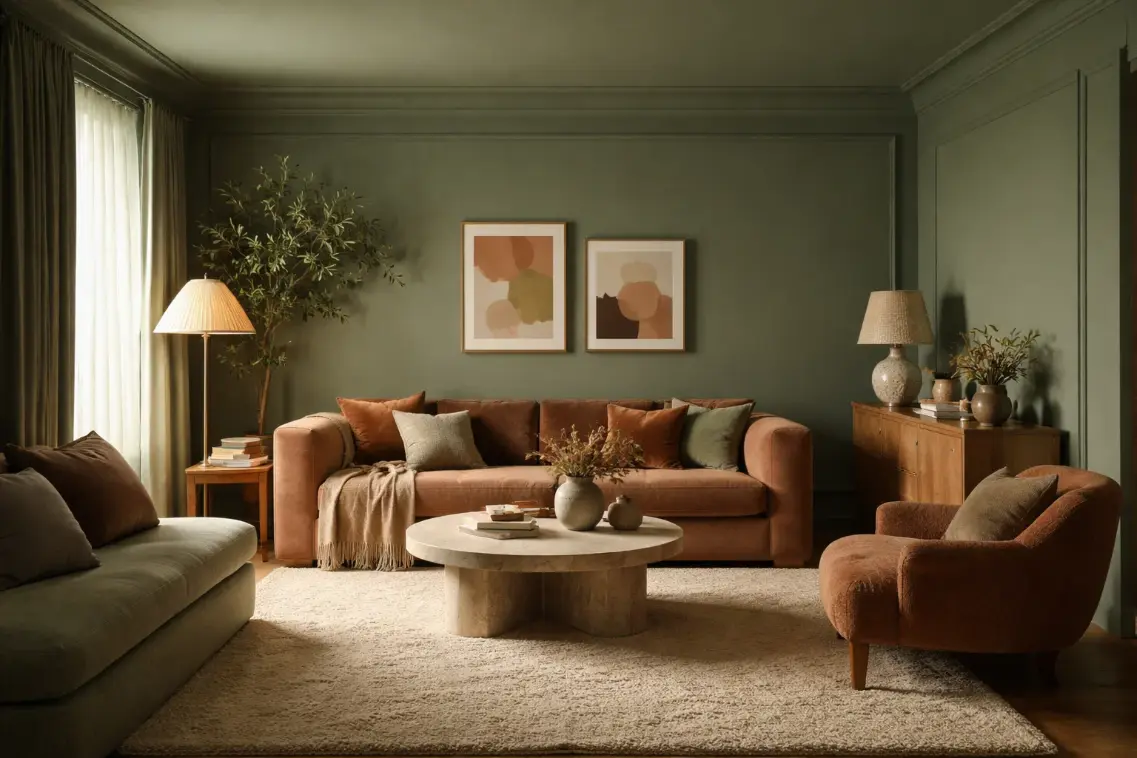
Color drenching is one of the most bold and rewarding techniques in 2026 home decor. Color drenching involves painting the walls, ceiling, and trim all in the same color to create an enveloping, immersive effect, and 66 percent of designers preferred it over pattern drenching in recent surveys. A deep sage green or dusty terracotta applied to every surface of a room creates a cocooning atmosphere that feels both theatrical and intimate.
10 Ergonomic and Body-Aware Furniture Design
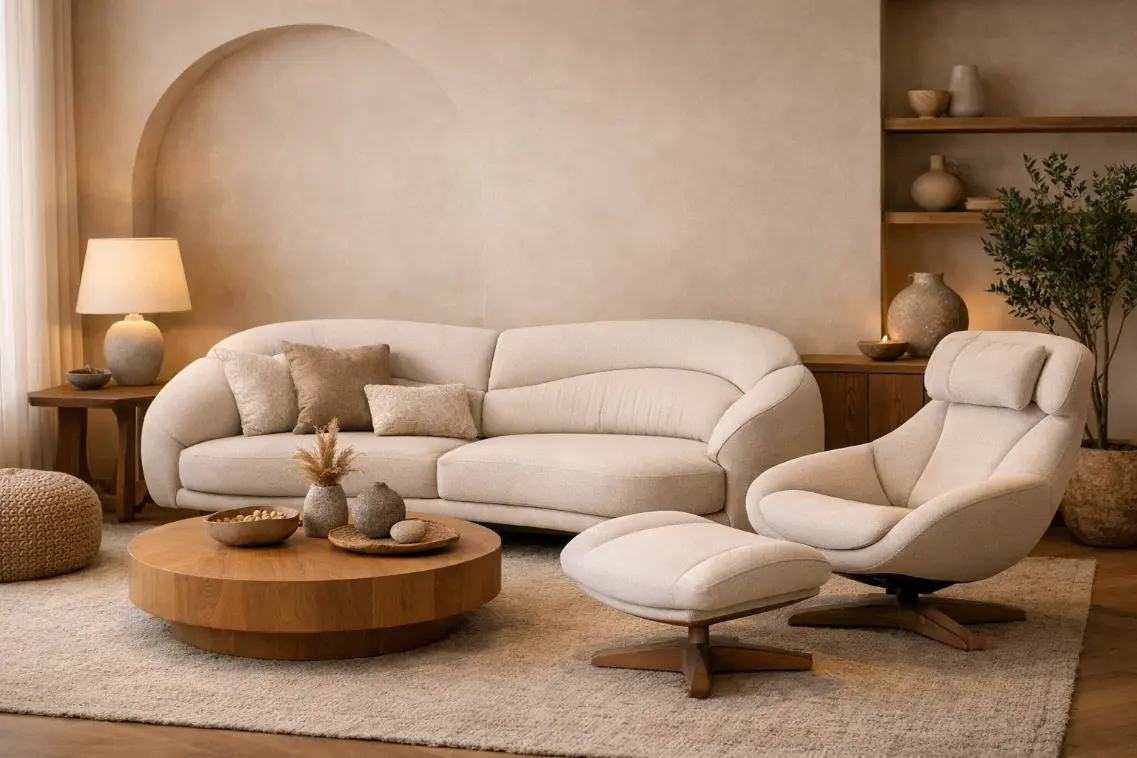
Algorithms now map how people actually sit and where pressure builds, shaping the geometry of furniture from the backrest curve to the depth of the cushion, resulting in pieces that feel right the moment you settle in. Comfort is no longer an afterthought in modern design. It is the starting point.
11 Thoughtful Maximalism
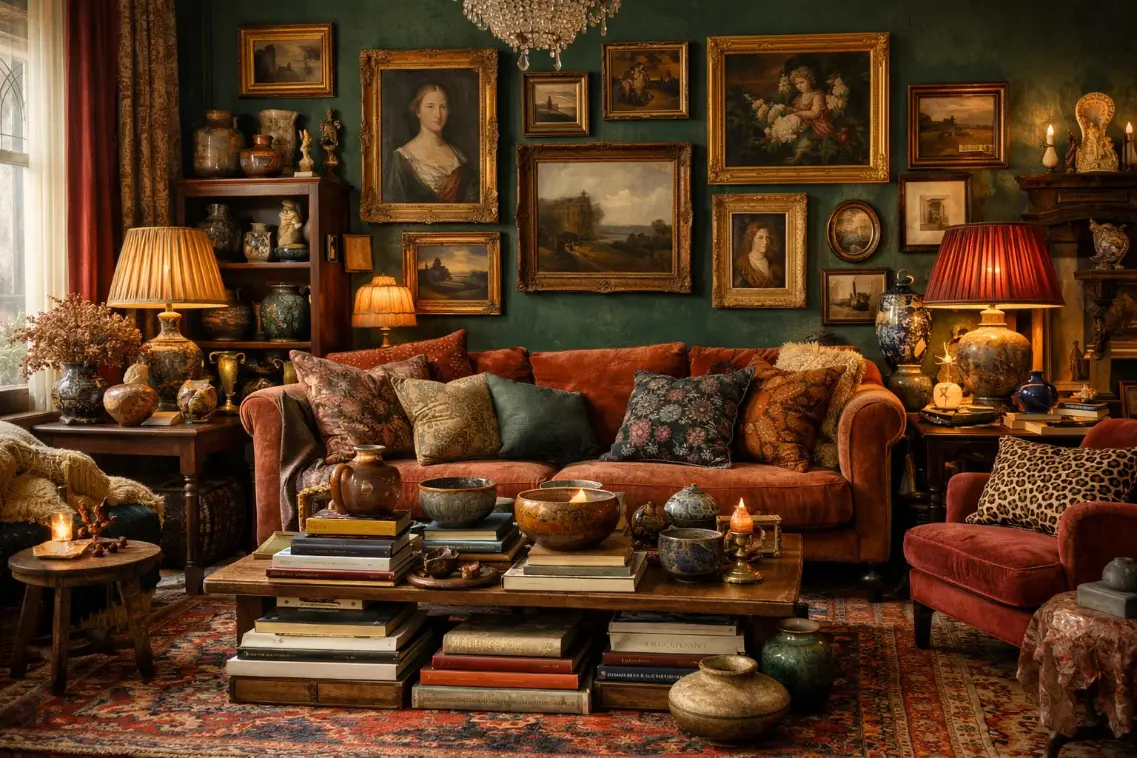
The cold, impersonal look of minimalism is giving way to something more layered and expressive. Cookie-cutter interiors and trend-driven spaces are giving way to rooms that reflect the people who live in them, with designers doubling down on what lasts and creating homes rooted in comfort, craftsmanship, and personal meaning. Thoughtful maximalism means more, but curated purposefully.
12 Art Deco Influences
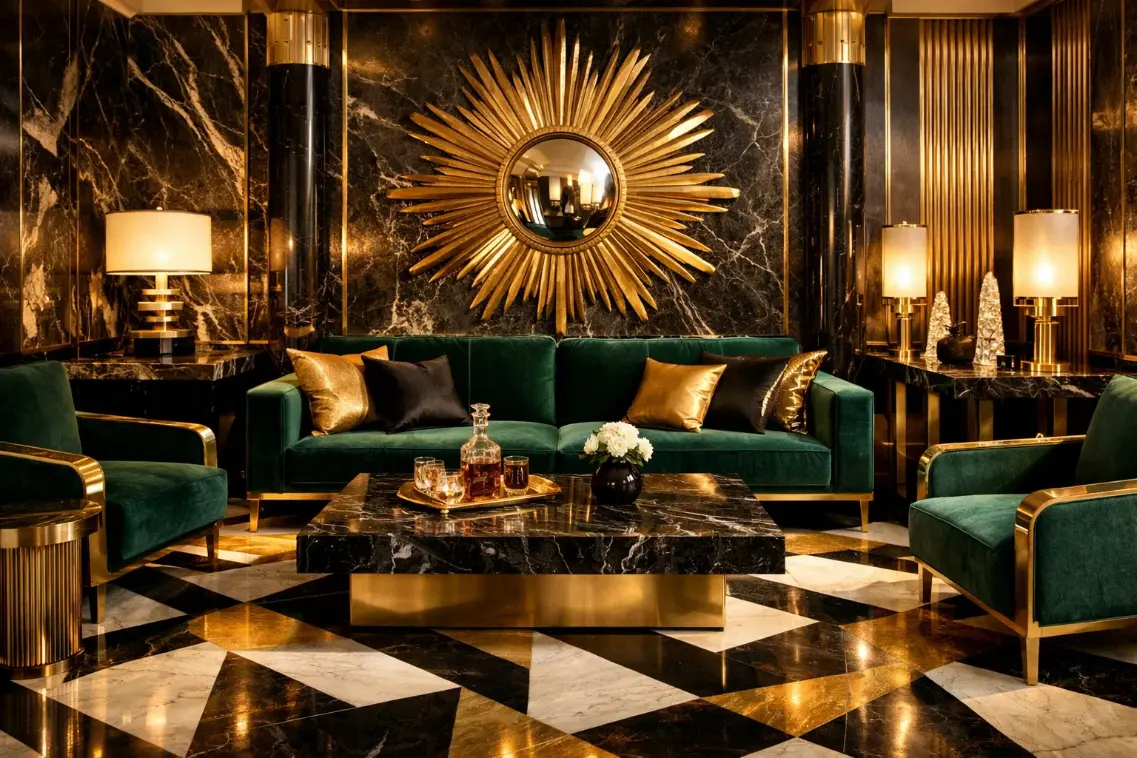
Art Deco is making a glamorous resurgence in 2026, bringing bold geometry, luxurious materials, and timeless elegance into modern homes. Expect to see geometric tile patterns, gilded accents, and richly veined marble in rooms that want to feel sophisticated without being sterile.
13 Biophilic Design and Indoor Greenery
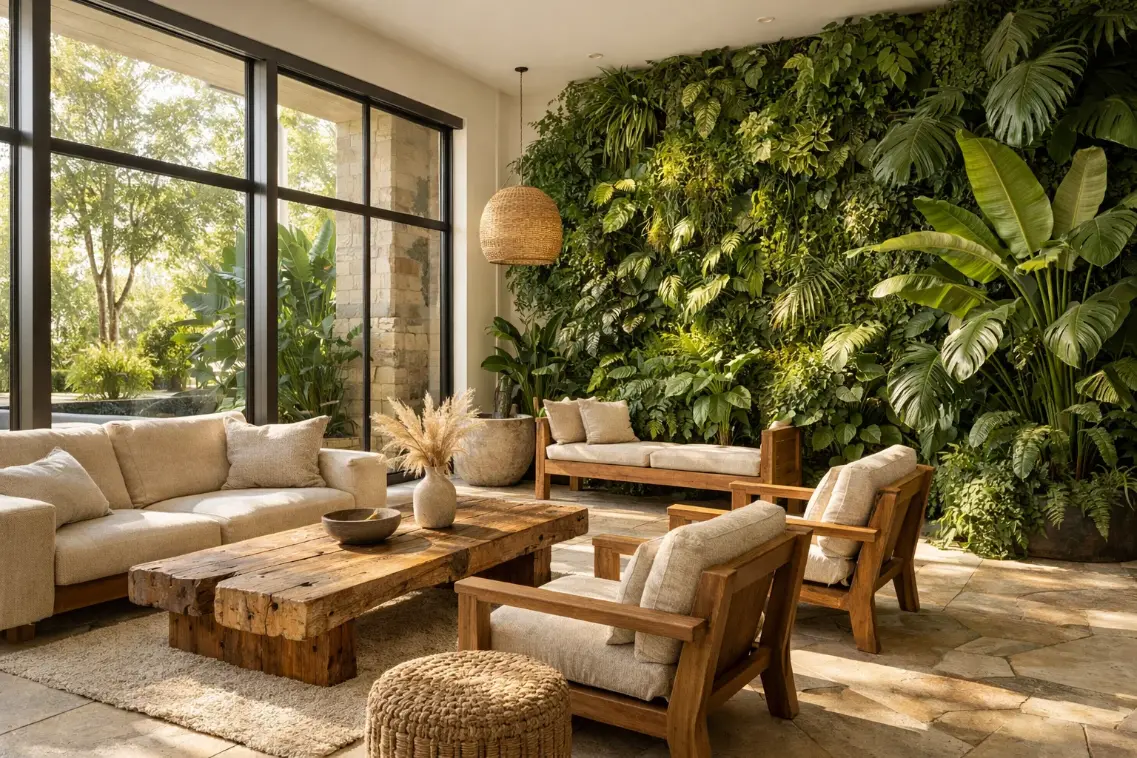
Bringing the outdoors inside remains one of the most enduring directions in modern home decor. Lush indoor plants, living walls, natural stone surfaces, and wood grain details all serve to reconnect the occupant with the natural world. This approach is particularly effective in urban homes where access to nature is limited.
14 Handcrafted and Artisanal Decor Pieces
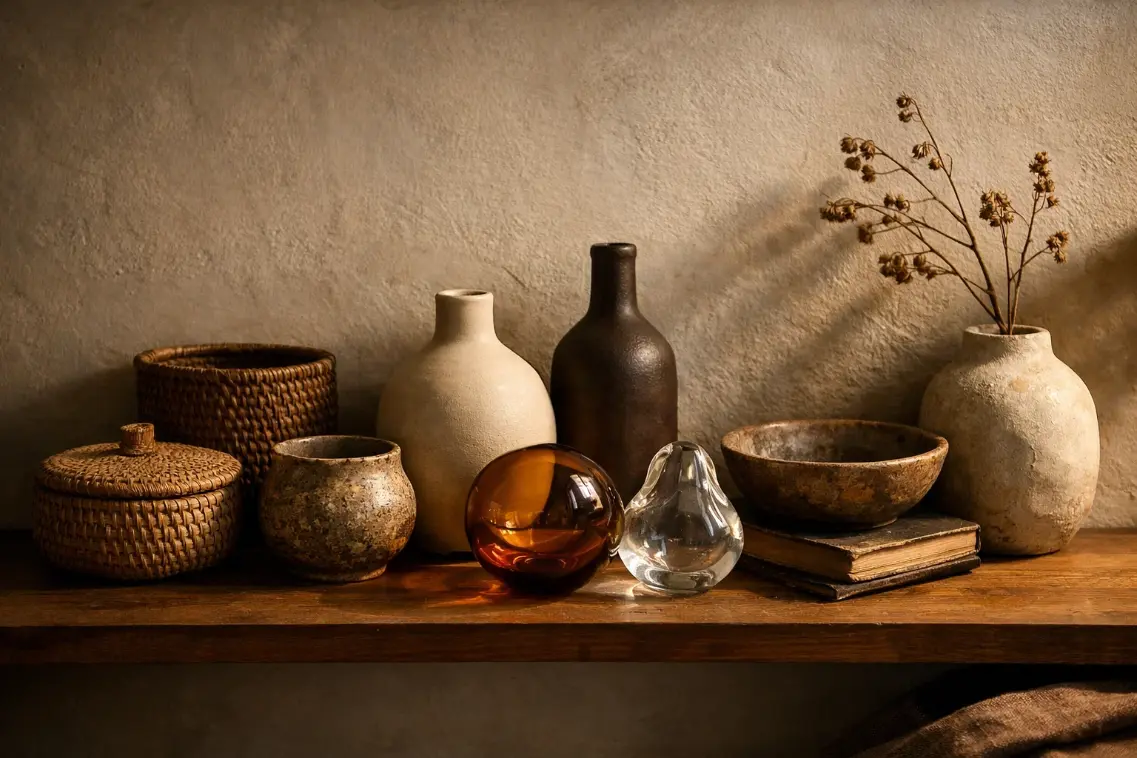
People are more willing to invest in pieces that have a story behind them, leaning into the idea that a home has a narrative, as opposed to looking perfectly styled.Pottery, woven textiles, hand-blown glass, and one-of-a-kind ceramics are replacing generic decorative objects. These pieces bring soul to a room in a way that factory-made items simply cannot replicate.
15 Sculptural and Statement Lighting
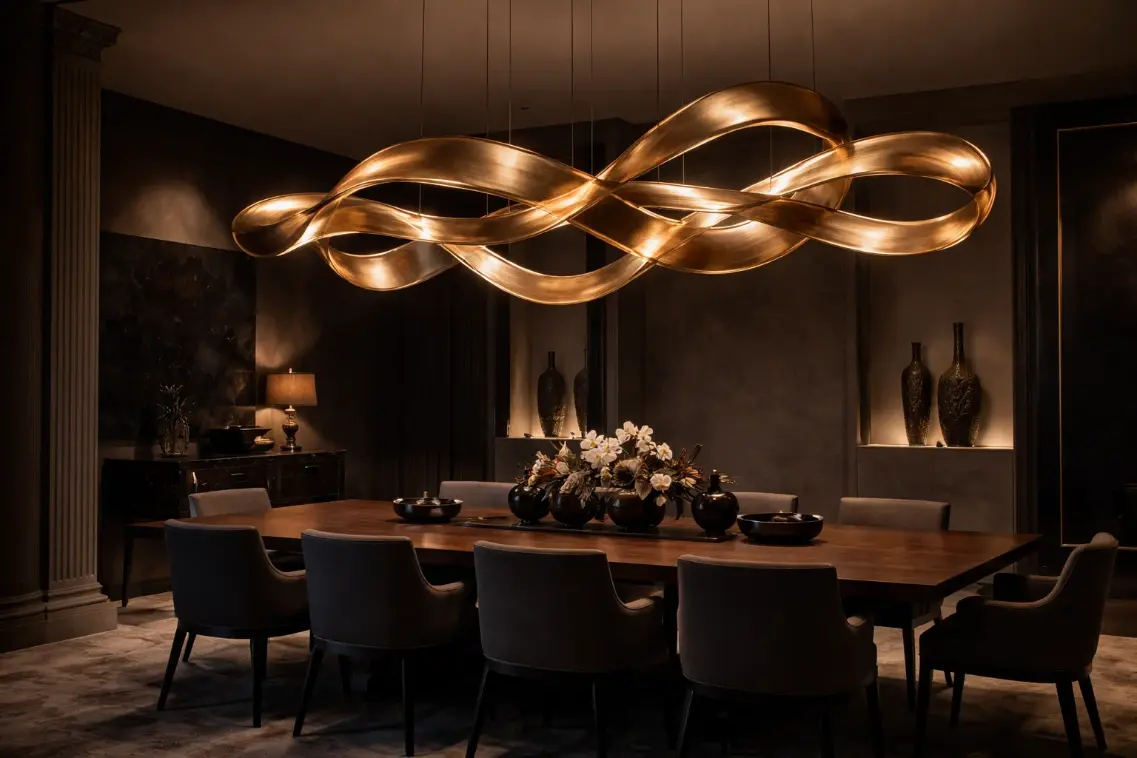
Lighting in 2026 is treated as art, not infrastructure. Oversized pendants, ribbed glass sconces, and sculptural chandeliers are being selected for their visual impact as much as their function. A bold light fixture over a dining table or in an entryway can anchor an entire room and set the tonal direction for the space.
16 Vintage Frames and Collected Wall Art
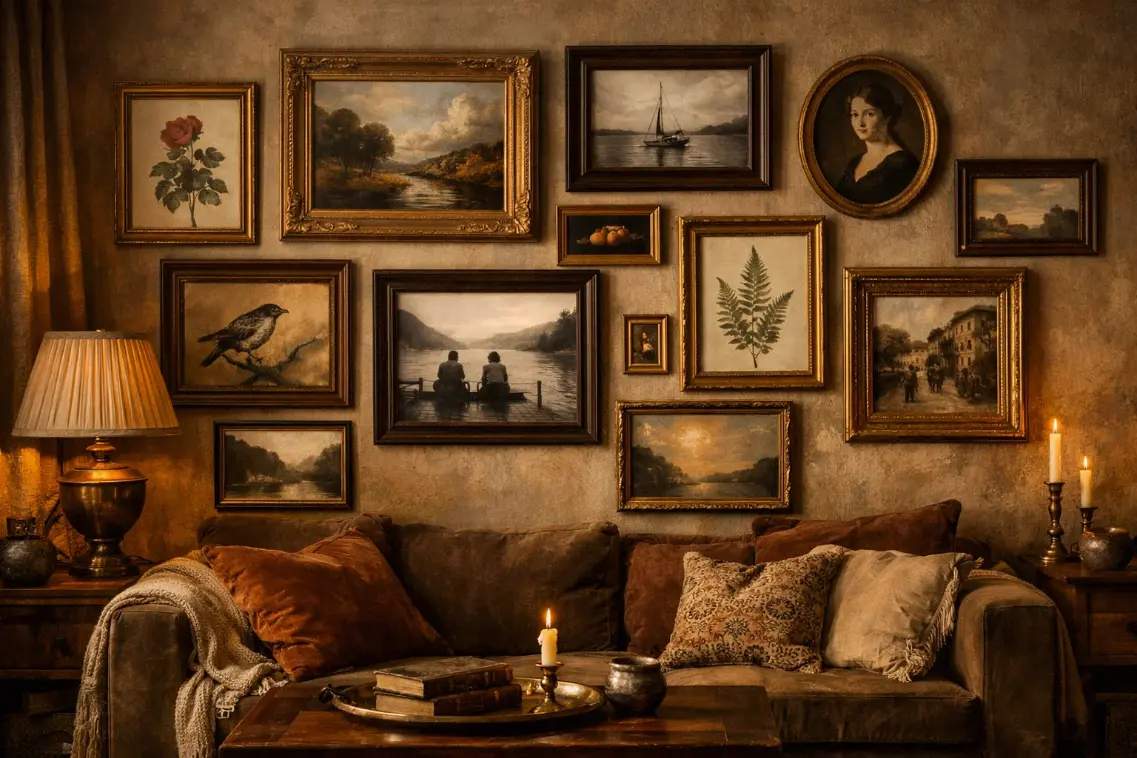
While the design world long favored thin, delicate frames, thicker and more vintage-style frames are coming back in a significant way, in part driven by the continued strength of elevated English cottage style. Gallery walls assembled over time with an eclectic mix of sizes, styles, and subject matter communicate personality more effectively than any single statement piece.
17 Zoned Built-In Storage and Display
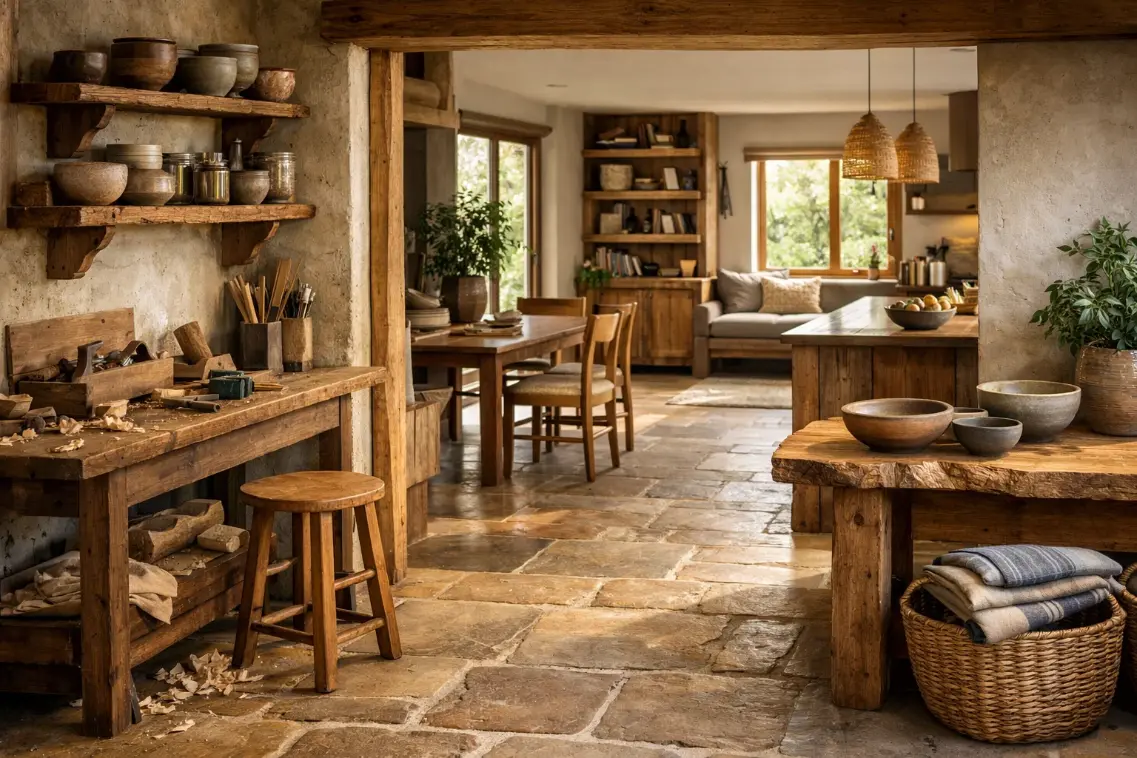
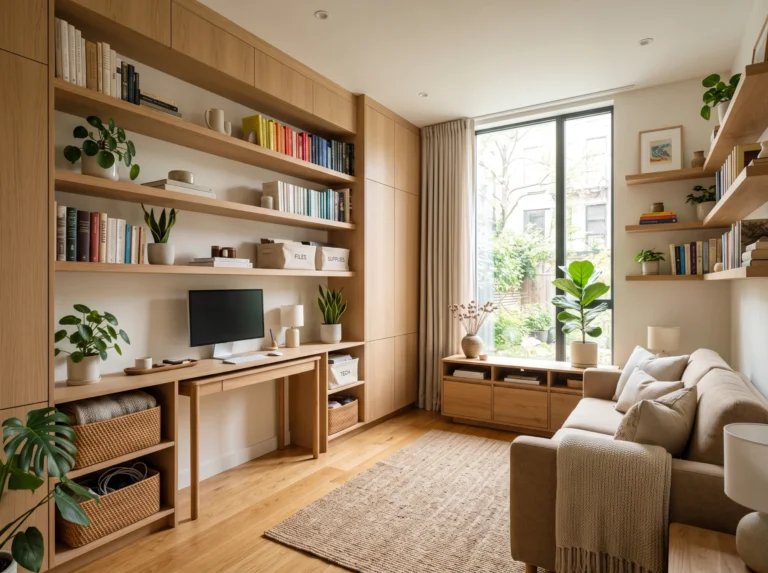
Custom shelving allows homeowners to display decor while closed cabinetry keeps essentials neatly tucked away, with wood, painted finishes, stone accents, metal details, and glass adding texture, warmth, and visual interest. Built-ins that serve multiple purposes, combining display niches, concealed storage, and architectural detail, are one of the most functional and design-forward investments a homeowner can make.
Conclusion
The home decor trends shaping modern design in 2026 are unified by a single, powerful idea: your home should feel like you. Not like a showroom, not like a social media feed, and not like a template. Homes are becoming warmer, more expressive, and deeply human, celebrating lived-in luxury and emotional warmth while leaving behind anything cold, sterile, overly formal, or uncomfortable.
Whether you choose to embrace one trend or weave several together, the guiding principle is the same. Design with intention. Choose materials that age beautifully, colors that affect your mood positively, and objects that hold meaning. The most stylish home in 2026 is not the one that looks the most expensive. It is the one that feels most unmistakably like the person who lives there.
Frequently Asked Questions
1. What are the biggest home decor trends for 2026?
The most prominent trends include warm and moody color palettes, curved furniture, layered textures, sustainable handcrafted pieces, brass metal finishes, and color drenching. The overarching direction is toward spaces that feel personal, warm, and intentional rather than minimalist or generic.
2. Is minimalism still popular in 2026?
Minimalism has faded as the dominant style. The current direction favors thoughtful maximalism, warmer tones, and layered interiors with character. That said, many minimalist principles like intentionality and avoiding clutter still underpin good design in 2026.
3. What colors are trending for home interiors in 2026?
Deep forest greens, terracotta, chocolate brown, clay, and rust tones are among the most popular colors. Warm neutrals layered together and color drenching techniques, where walls, ceiling, and trim share the same shade, are also strongly favored.
4. How can I incorporate 2026 home decor trends on a budget?
Start with small changes like swapping hardware to brass finishes, adding a patterned wallpaper to a single accent wall, introducing curved accent furniture like a nightstand or bench, and layering warm-toned textiles. These updates deliver strong visual impact without a full renovation.
5. What furniture shapes are popular in modern design for 2026?
Curved and organic shapes are dominant. Rounded sofas, arched headboards, oval dining tables, and sculptural armchairs with softened edges are all strongly preferred by designers over the rigid, angular furniture styles that defined the previous decade.

4 Comments