

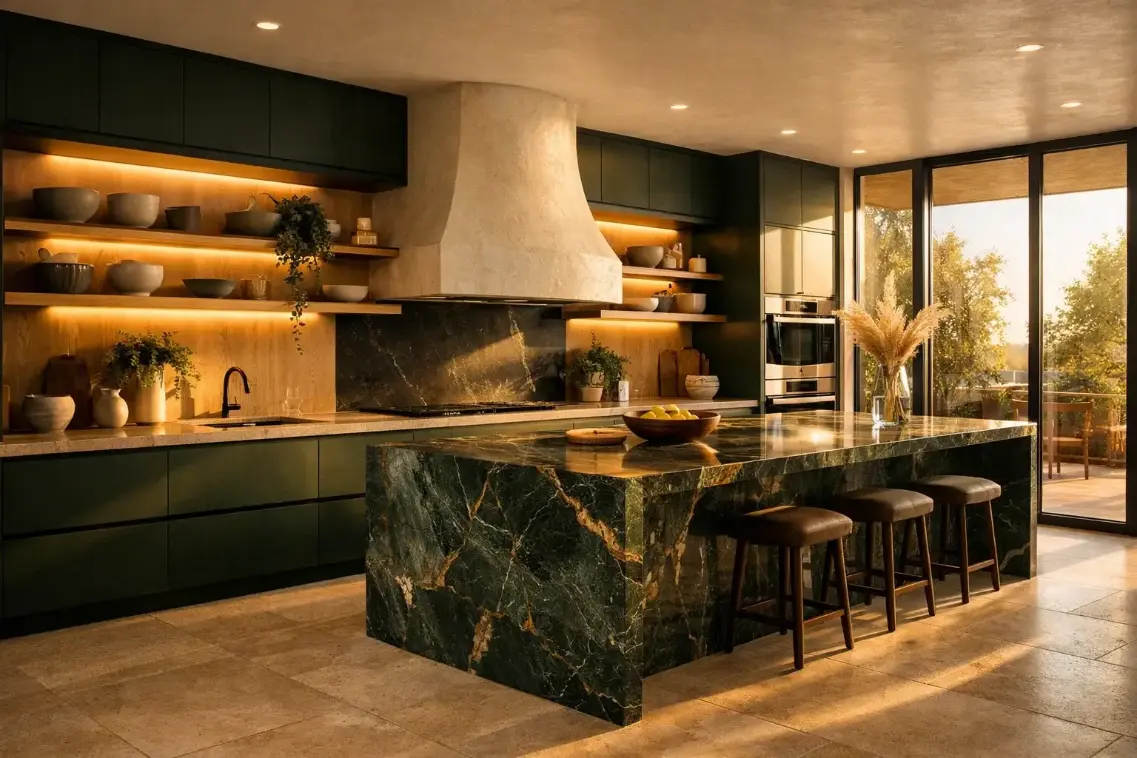
18 Unique Kitchen Trends Ideas Modern Style Designs 2026
The kitchen has always been the soul of a home. It is where mornings begin, meals are crafted, and conversations flow long after dinner ends. In 2026, this space is undergoing one of its most exciting transformations yet. Homeowners and designers alike are moving away from cold, sterile surfaces and embracing kitchens that feel warm, personal, and deeply connected to how people actually live. Whether you are planning a complete renovation or simply refreshing a few details, understanding the leading kitchen trends of 2026 gives you a clear advantage. This article walks through 18 of the most compelling kitchen ideas shaping modern style design this year, backed by industry data and real design insight.
1. Warm Minimalism Takes Center Stage
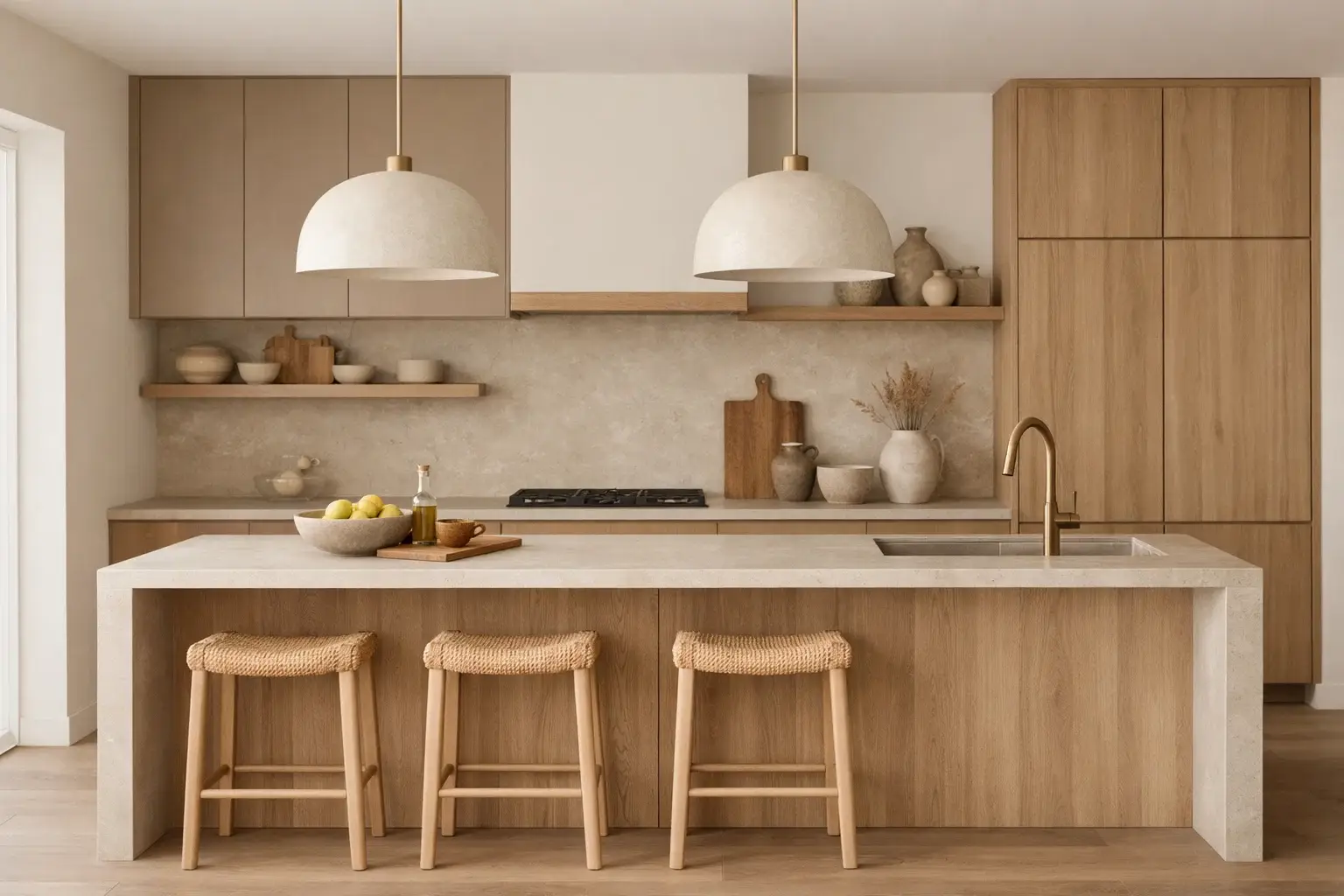
The all-white, ultra-sleek kitchen is officially stepping aside. In its place, warm minimalism is emerging as the dominant philosophy. This approach keeps lines clean and clutter to a minimum, but introduces rich textures, muted tones, and organic materials to prevent spaces from feeling cold. Flat-panel cabinetry in creamy whites, warm taupes, and natural wood finishes is replacing glossy surfaces that once defined modern kitchens.
The appeal is straightforward. Clean design makes a kitchen easier to maintain and visually restful, while warm tones make it feel inviting. Together, they produce a space that looks considered without feeling clinical.
2. Natural Materials Dominate Every Surface
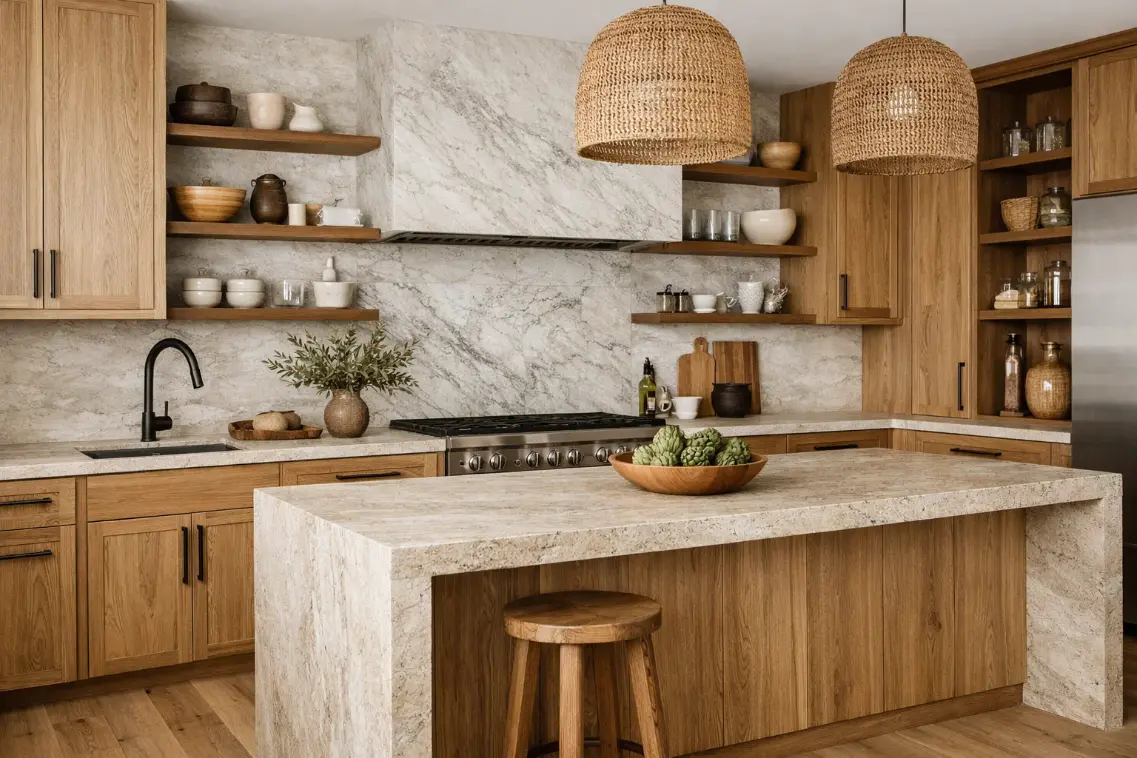
Wood grain cabinetry has overtaken painted finishes as the most sought-after option, with white oak leading the way at 51 percent popularity among designers surveyed by the NKBA. Alongside oak, ash and walnut bring depth and character to cabinetry and open shelving. Travertine, quartzite, and matte marble-look ceramics are appearing on countertops and backsplashes, giving kitchens a grounded, tactile quality that manufactured surfaces simply cannot replicate.
3. Green Cabinetry Becomes a New Neutral
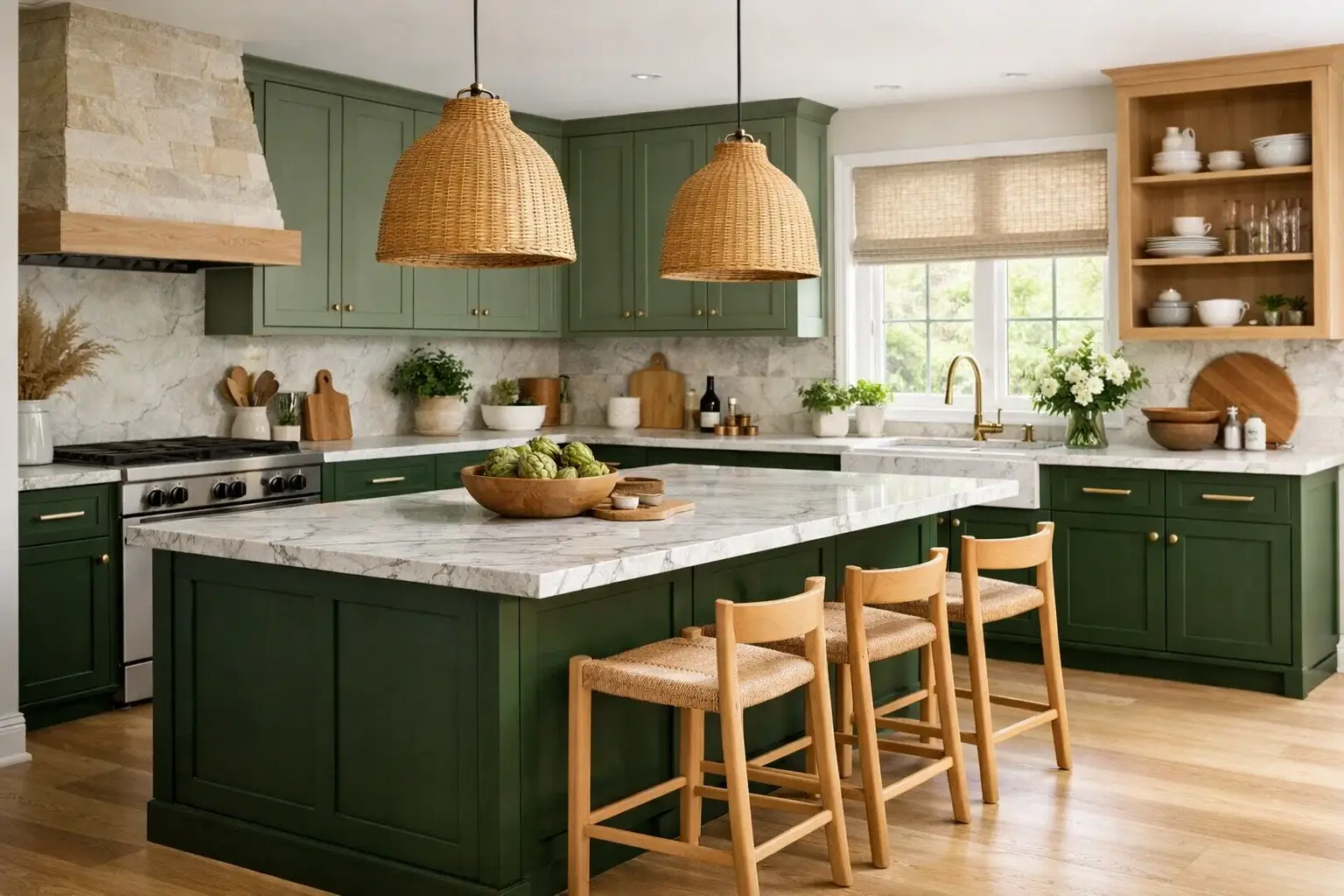
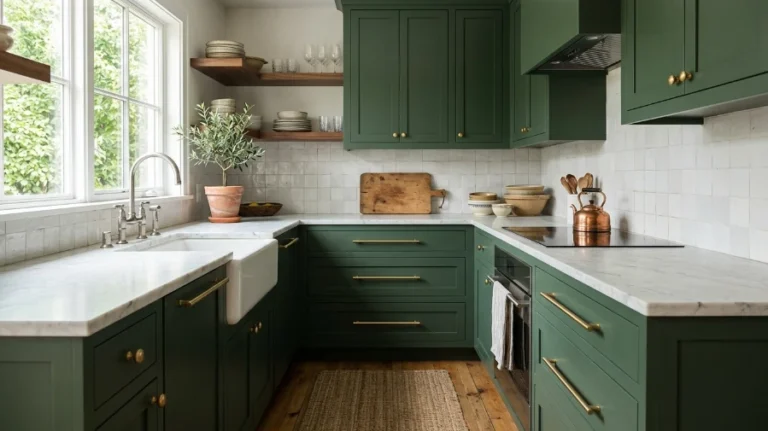
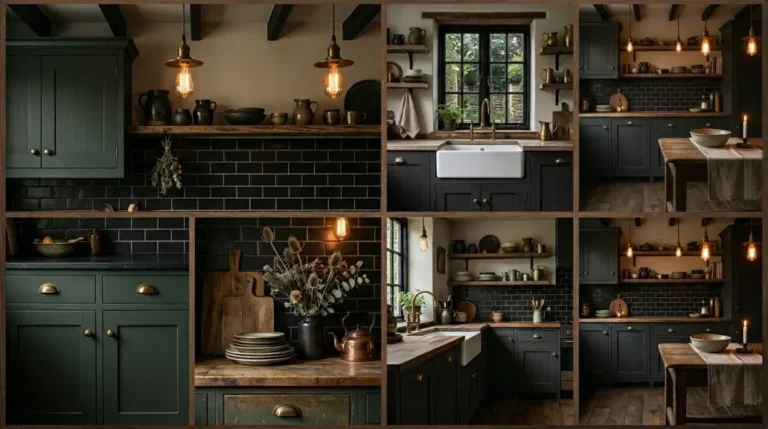
Deep forest green, sage, and olive-toned cabinets are everywhere in 2026. What makes green so powerful this year is its versatility. Paired with natural stone countertops, it reads as sophisticated. Alongside pale wood, it feels organic and calm. The NKBA confirms that green is the second most popular color choice after neutrals, with 86 percent of designers identifying it as a rising preference.
Muted, earthy greens work best in smaller kitchens. Richer, deeper tones like hunter green or bottle green make a powerful statement in larger spaces with good natural light.
4. Two-Tone Cabinet Design Adds Depth
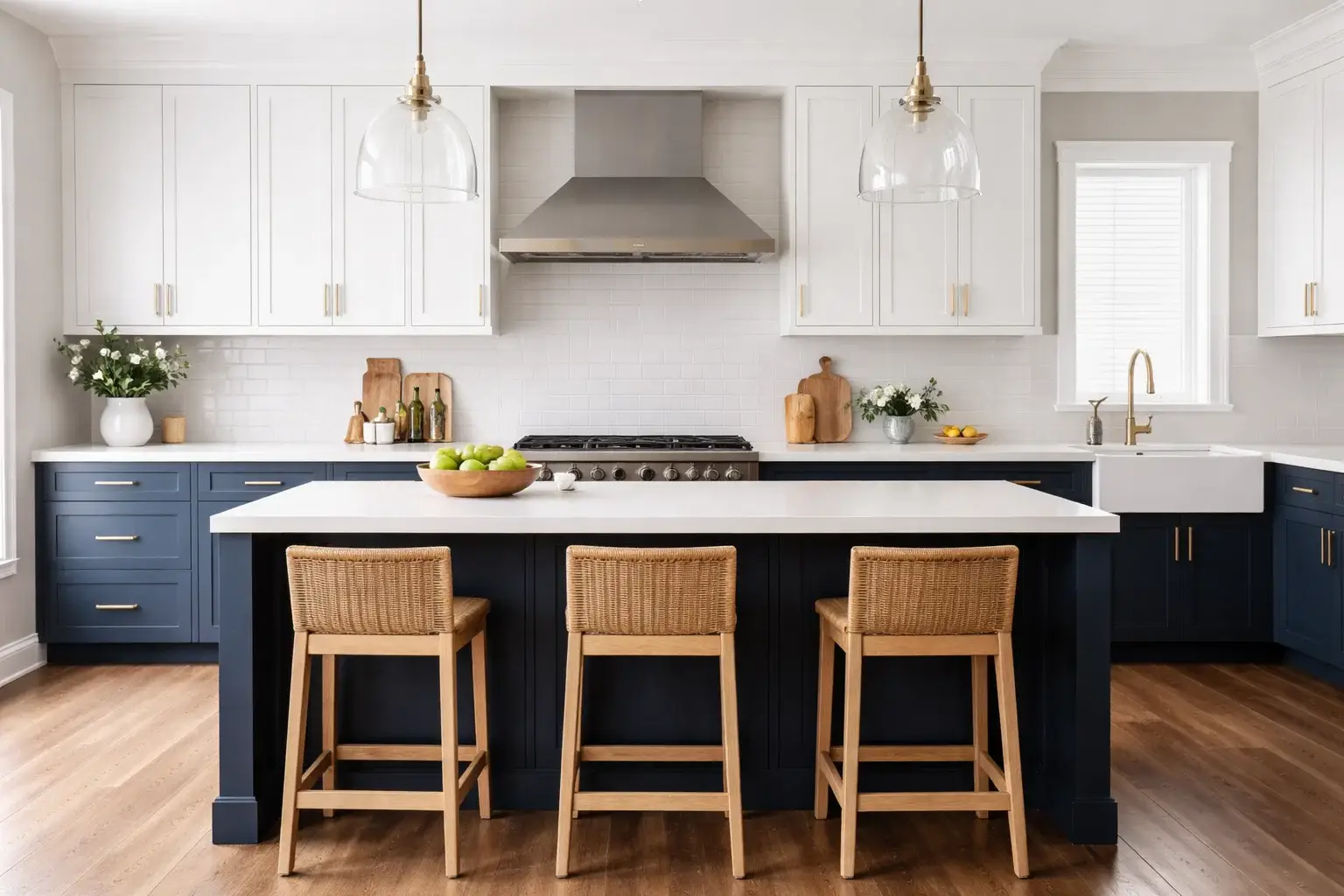
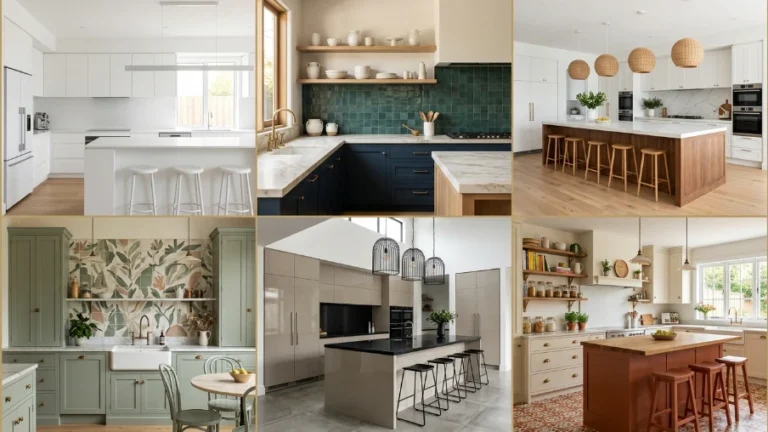
Pairing contrasting cabinet colors above and below the counter is one of the most practical and visually interesting trends of the year. Dark navy or matte black lower cabinets grounded with lighter upper cabinets or a creamy island creates dimension without visual chaos. It allows homeowners to introduce bold color while maintaining balance.
5. Curved Islands and Countertops Soften Spaces
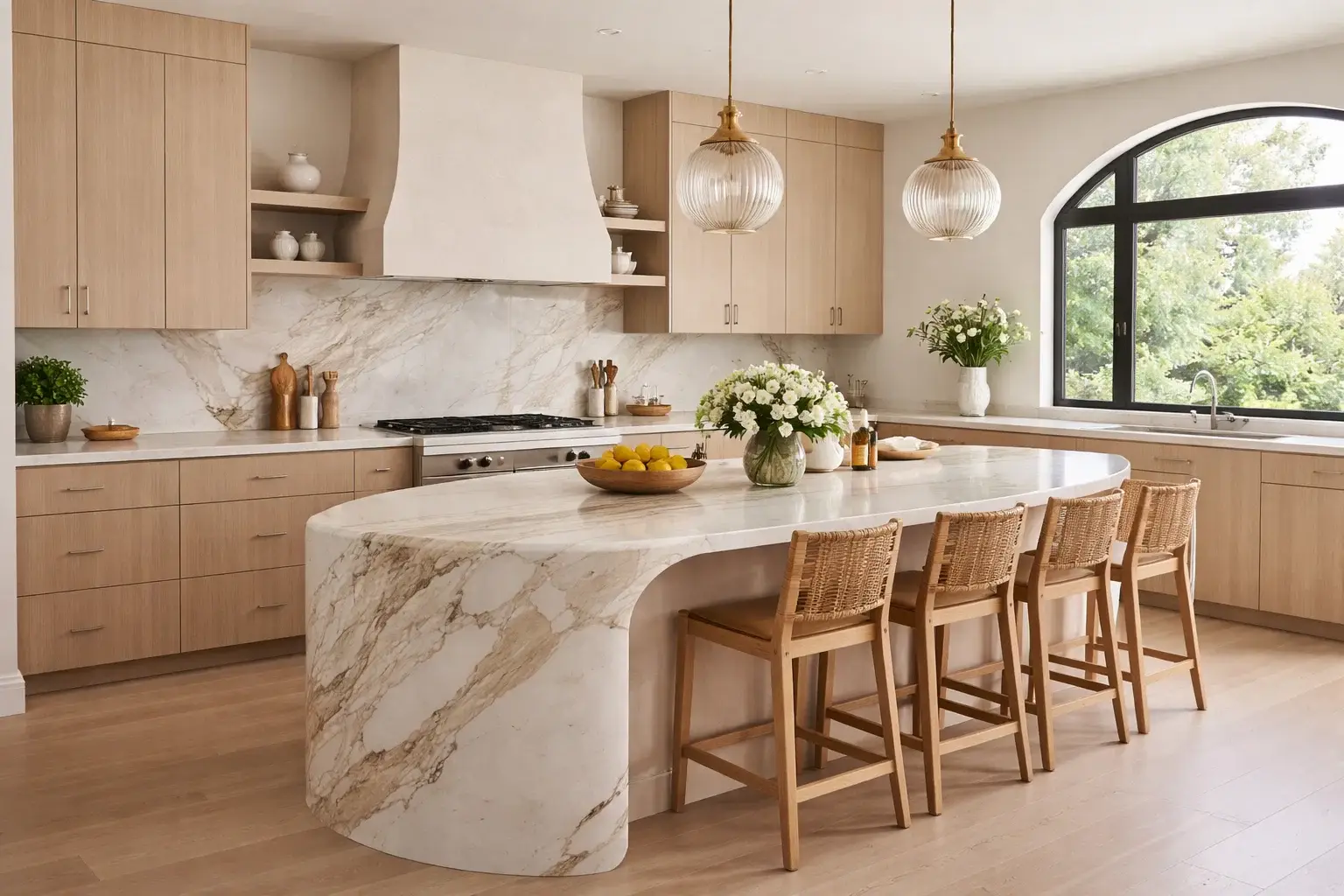
Right angles are giving way to flowing, curved forms. Curved kitchen islands create natural circulation paths and make the cooking zone feel more social and less industrial. Waterfall countertops with rounded edges are also gaining traction, particularly in stone finishes where the continuous surface showcases natural veining to dramatic effect.
6. Multifunctional Islands as the Heart of the Home
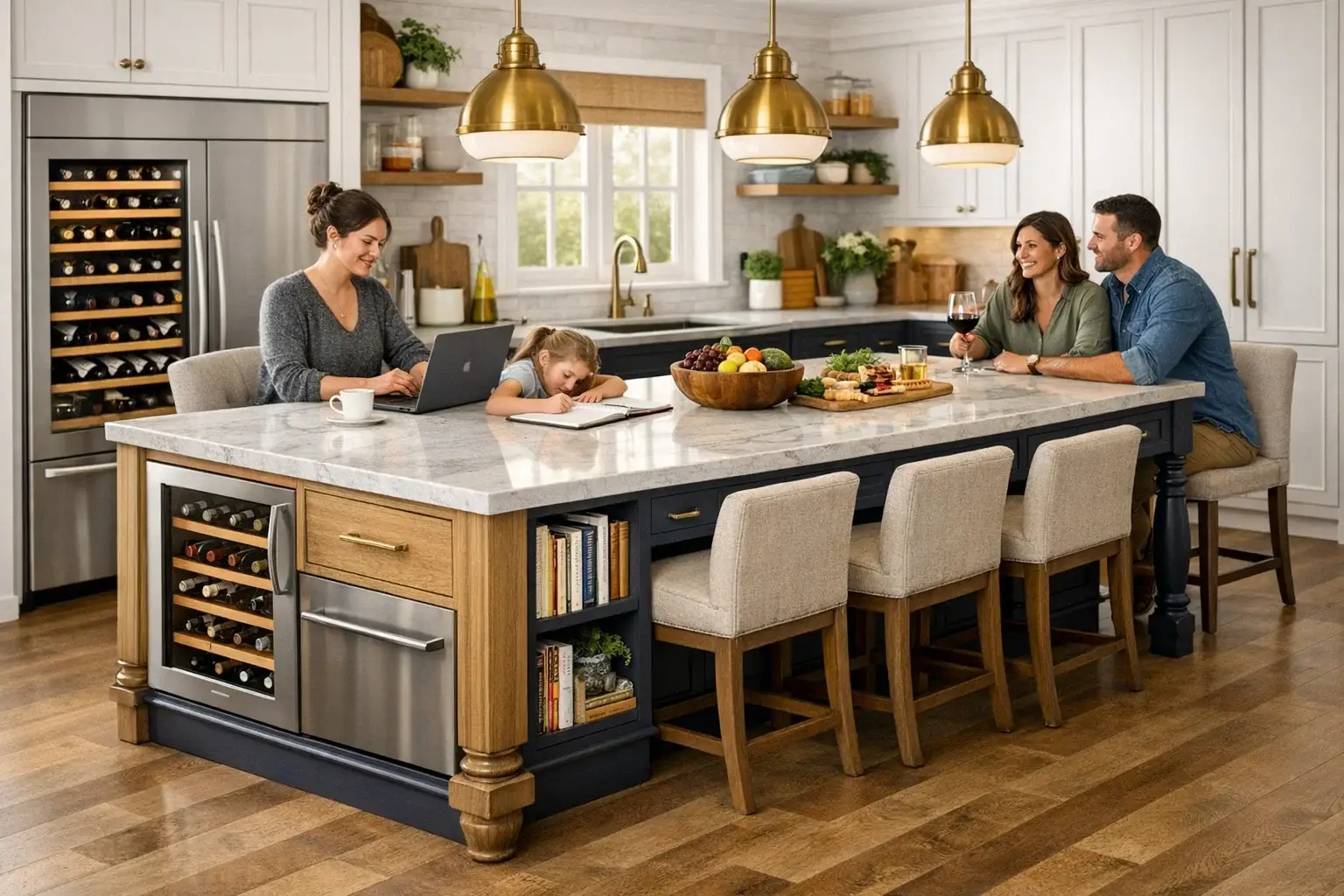
The kitchen island in 2026 is far more than extra counter space. It serves as a dining area, a work-from-home station, a homework spot, and a gathering point for entertaining. Islands are incorporating seating for four or more, built-in storage, warming drawers, and even wine refrigerators. Decorative details like fluted paneling and furniture-style legs give islands the feel of a statement piece rather than a utilitarian fixture.
7. Smart Technology Integrated Seamlessly
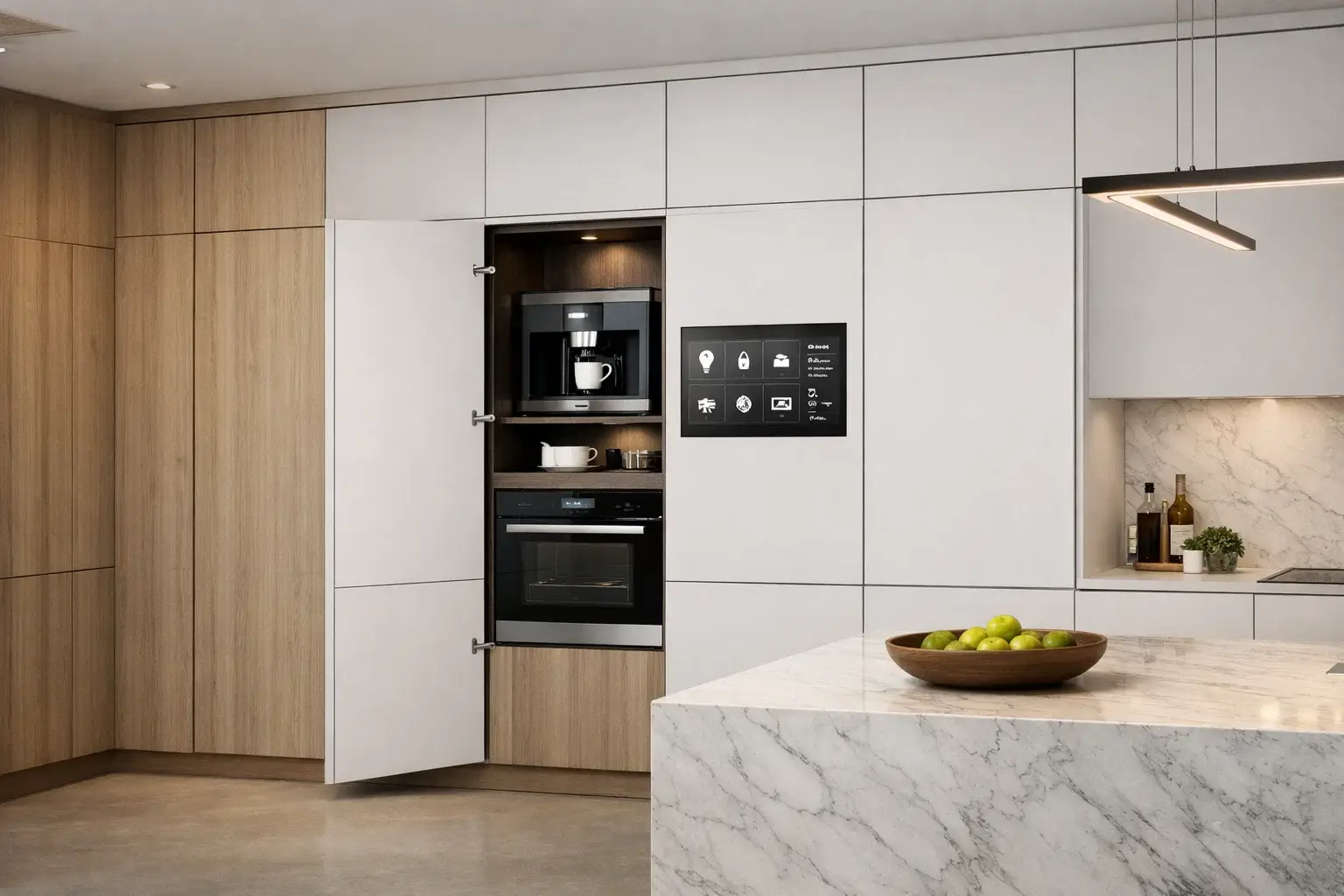
Artificial intelligence is quietly entering kitchen design. Smart appliances now learn usage patterns and optimize functions accordingly. Integrated appliance hubs allow homeowners to control lighting, ventilation, coffee machines, and ovens from a single interface. The key trend, however, is concealment. Technology in 2026 is invisible by design, tucked behind panel-ready fronts that match cabinetry so appliances disappear into the overall composition.
8. Panel-Ready Appliances for a Cohesive Look
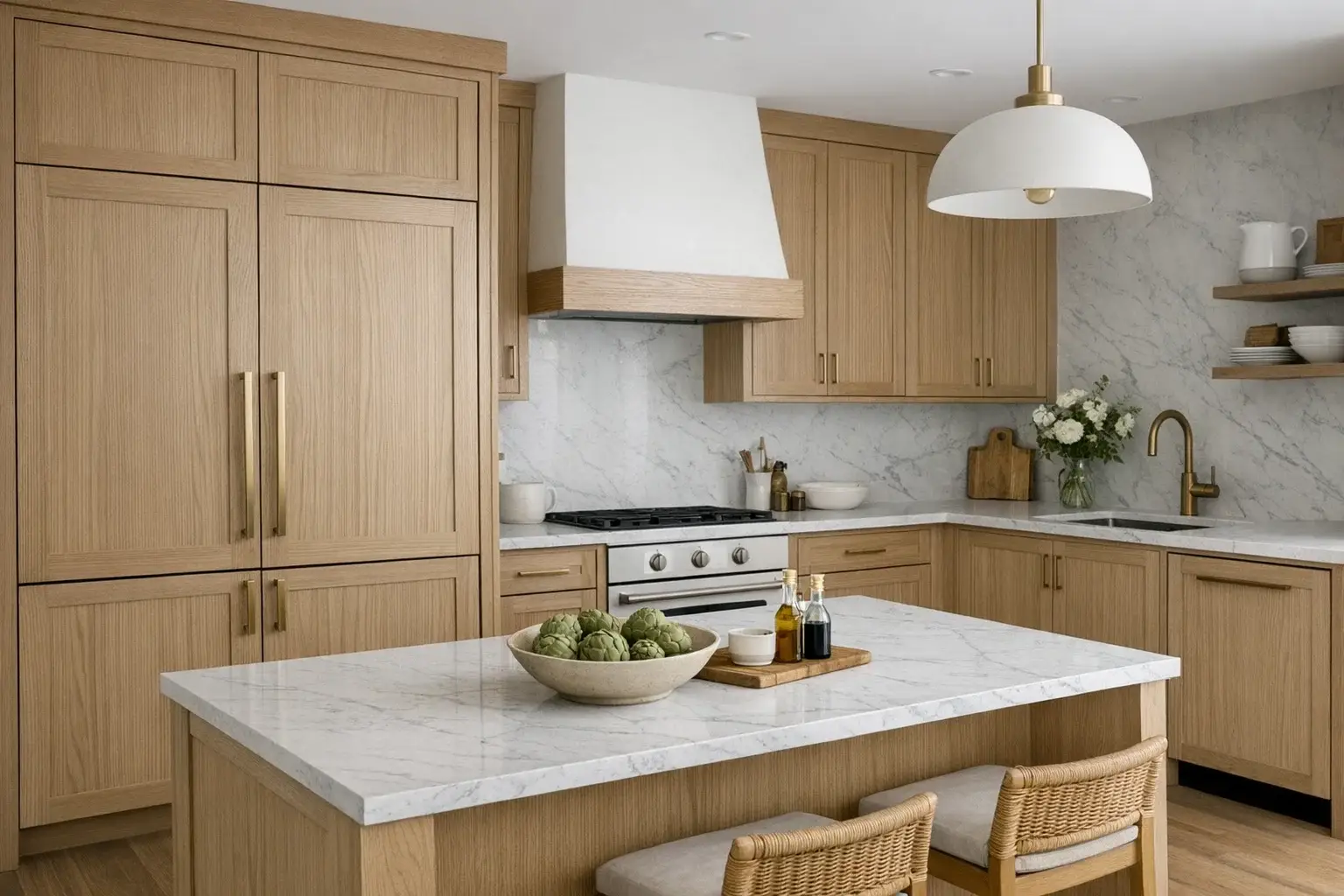
Panel-faced refrigerators and dishwashers are identified by 72 and 85 percent of NKBA designers respectively as rising in popularity. When appliances wear the same finish as surrounding cabinetry, the kitchen reads as one unified, architectural space rather than a collection of separate elements.
9. Quiet Luxury in Every Detail
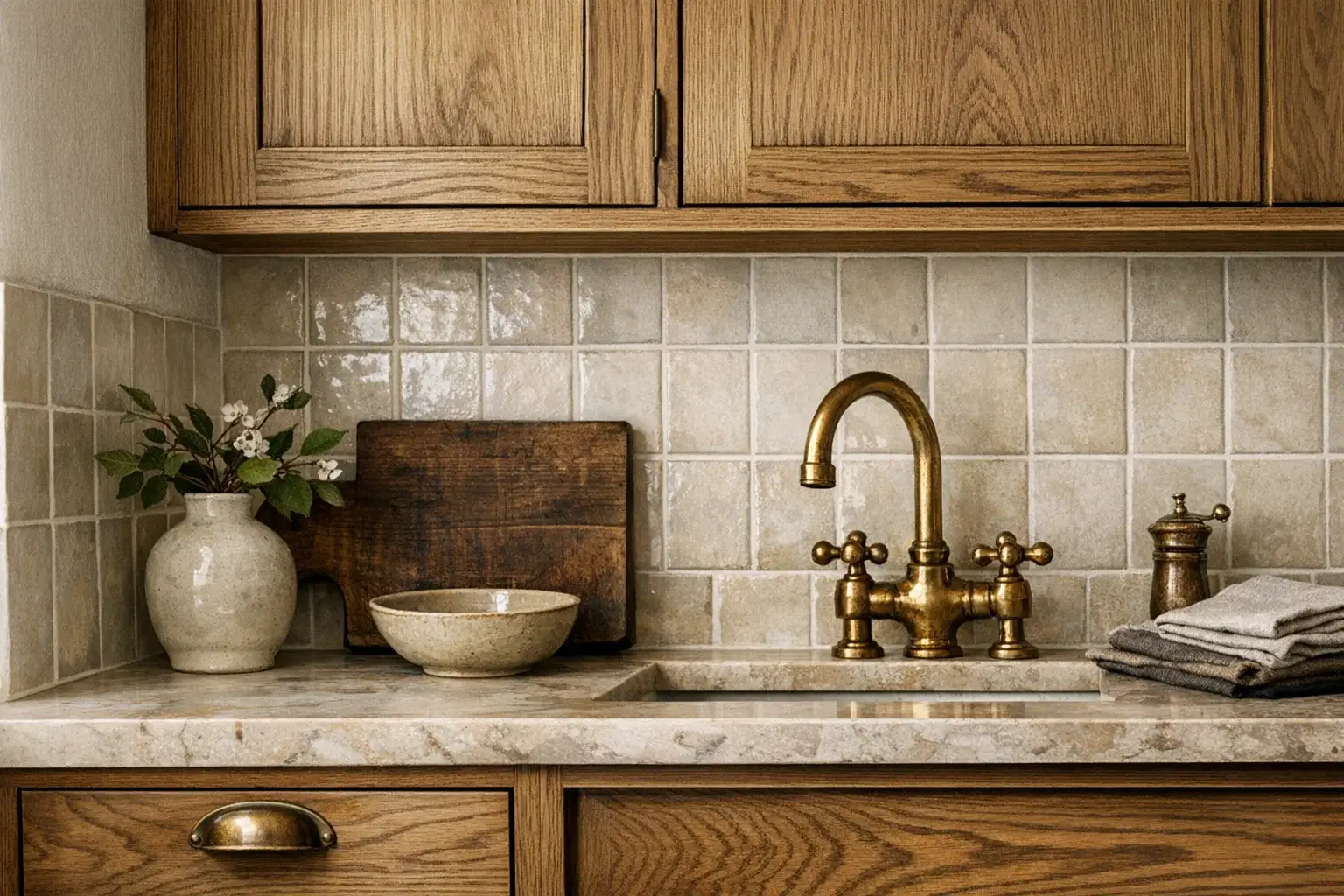
Quiet luxury as a design philosophy means investing in materials and craftsmanship that reveal their quality subtly, upon closer inspection. Handcrafted ceramic tiles with gentle surface variation, unlacquered brass hardware that develops a patina over time, and visible wood grain on bespoke cabinetry all embody this idea. It is design that rewards attention.
10. Statement Range Hoods
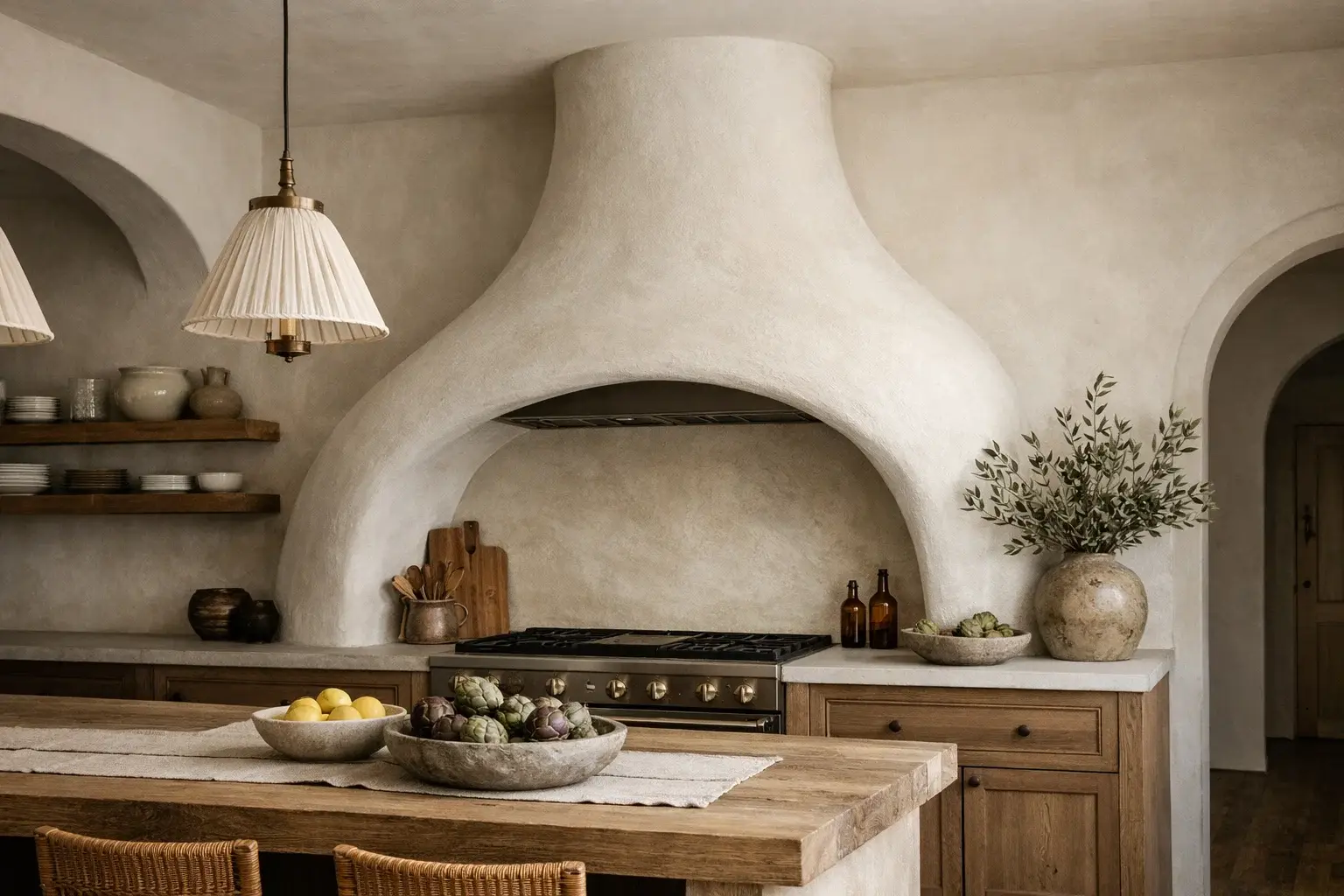
The range hood has become an architectural centerpiece. Plaster-finish hoods with sculptural, organic shapes are appearing in kitchens that would otherwise read as simple and restrained. A well-designed hood draws the eye upward and gives the kitchen a focal point that feels deliberate and artistic.
11. Mixed Metal Hardware for Personality
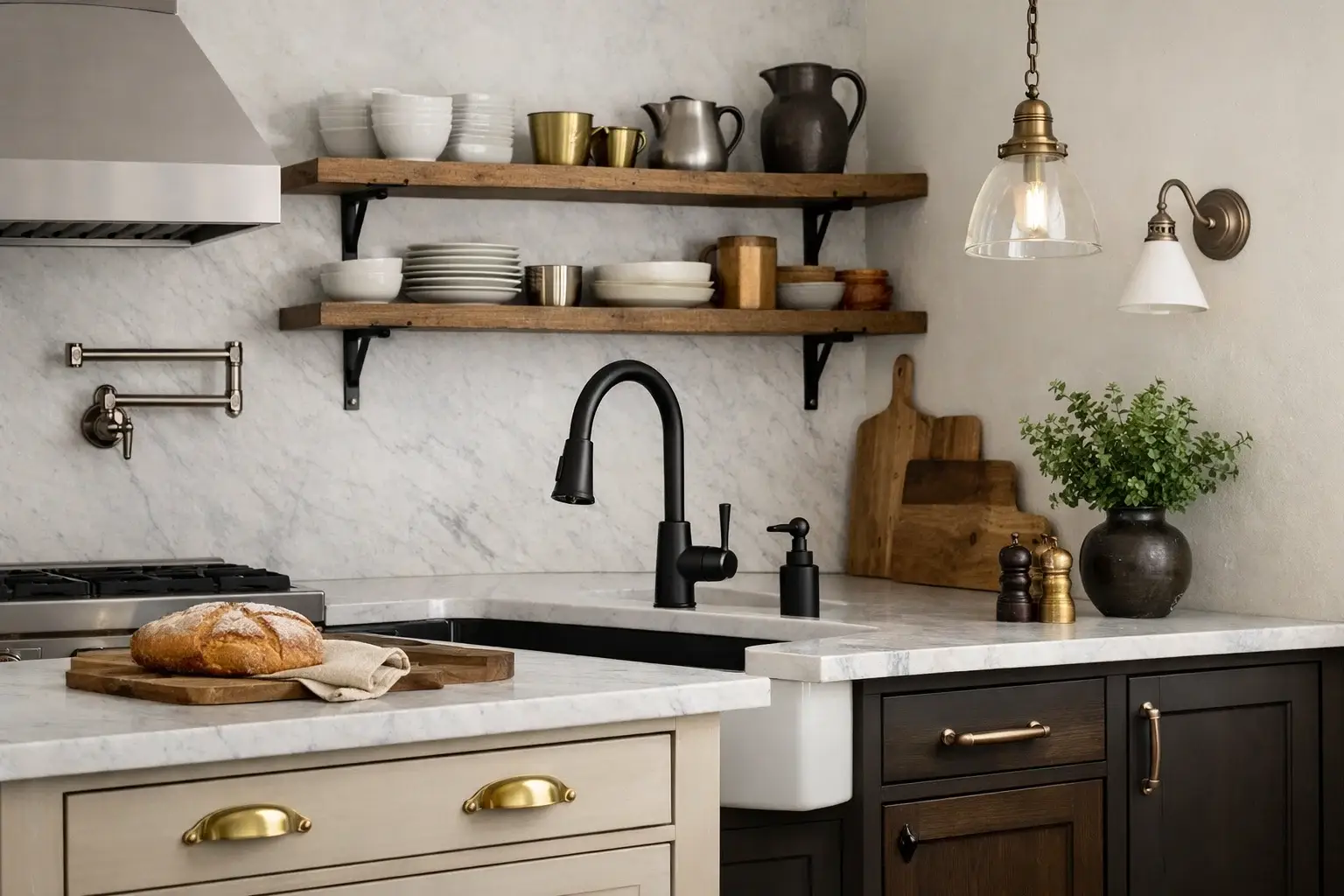
Gone are the days of matching every fixture precisely. Designers are now layering metals, pairing unlacquered brass cabinet pulls with matte black faucets, or combining brushed nickel and aged bronze across a single kitchen. This approach creates a collected, personal quality that feels lived-in and curated rather than catalog-perfect.
12. Sustainable and Eco-Conscious Design
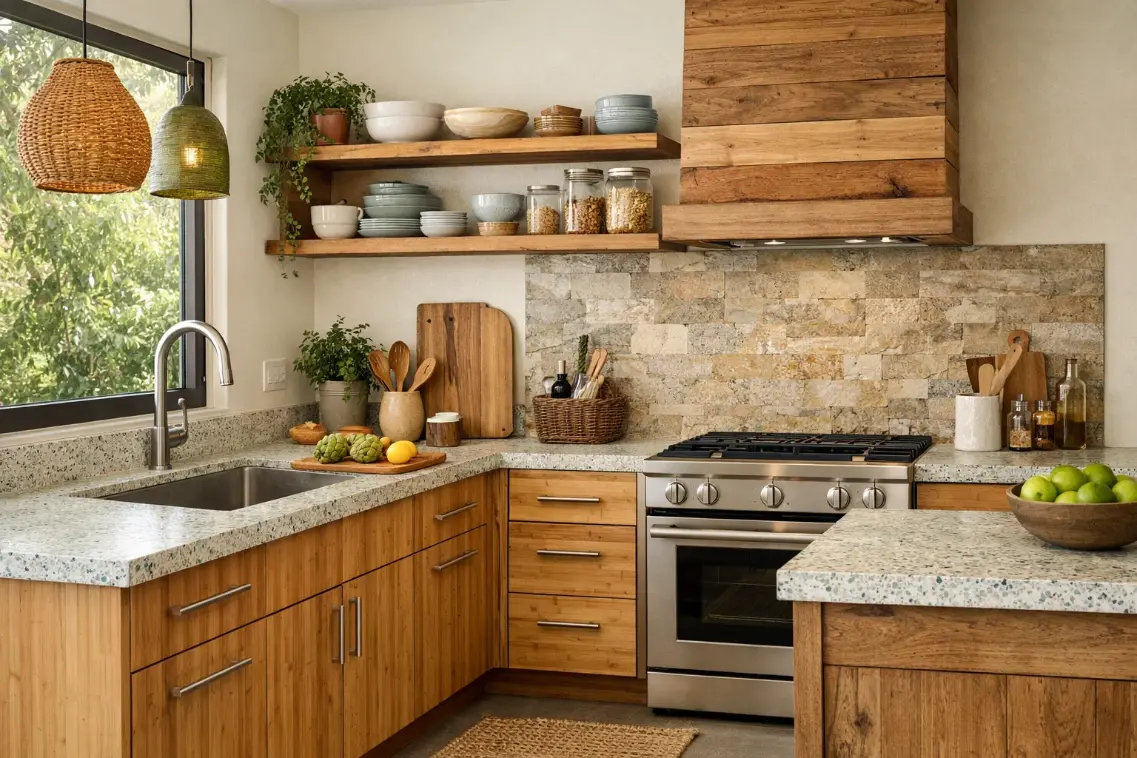
Sustainability is no longer a niche preference. Bamboo and reclaimed wood cabinetry, recycled glass countertops, low-VOC paints, and responsibly sourced stone are all gaining ground. Beyond the environmental benefit, these materials tend to be durable and low-maintenance, making them a sound long-term investment.
13. Integrated and Architectural Lighting
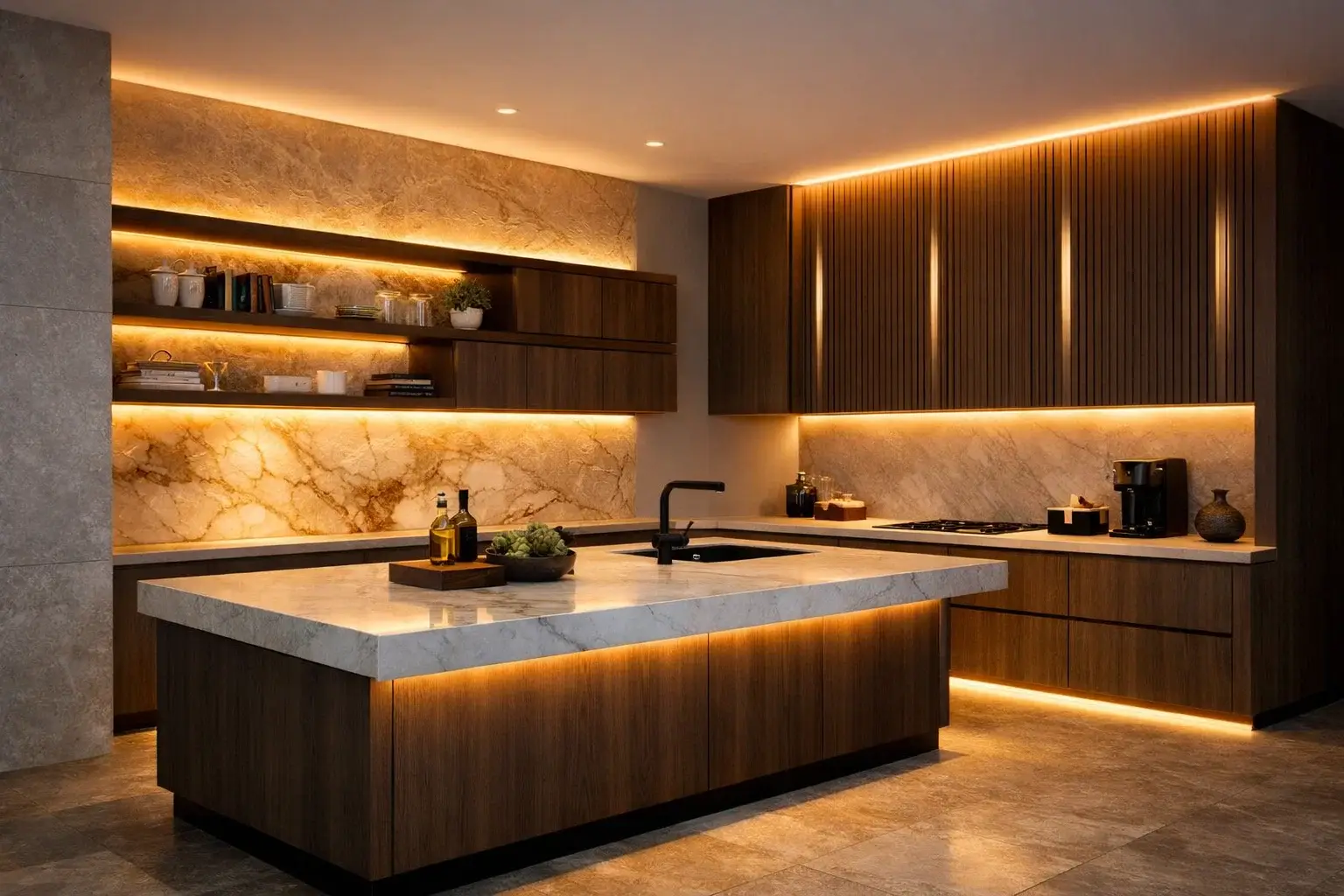
Lighting in 2026 is doing far more than illuminating work surfaces. Warm LED strips concealed beneath floating shelves, backlit stone panels, and linear uplighting along wall panels are defining the atmosphere of modern kitchens. Italian designers in particular treat lighting as an architectural element, using it to separate functional zones and shape the emotional quality of a room.
14. Open Shelving Done Intentionally
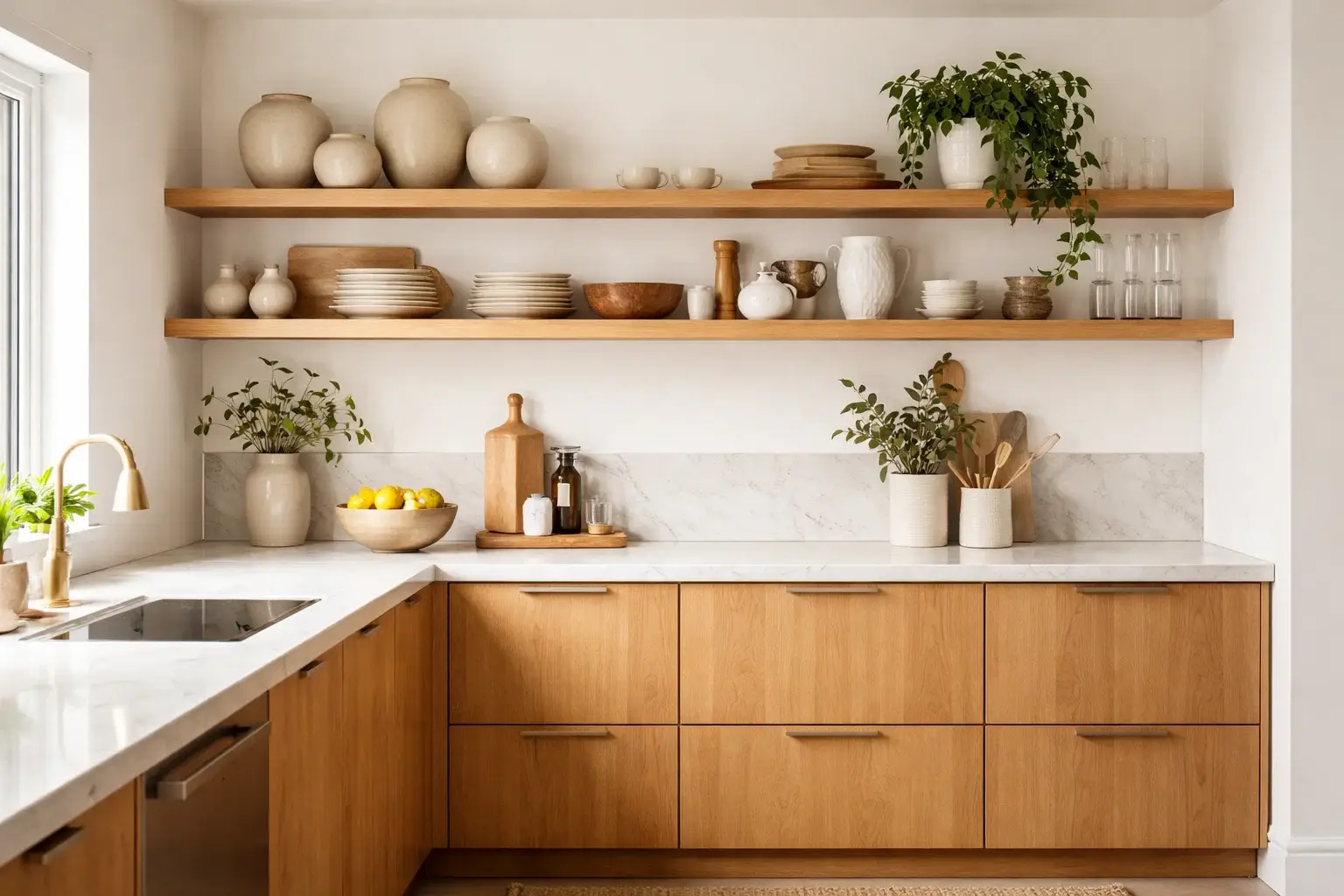
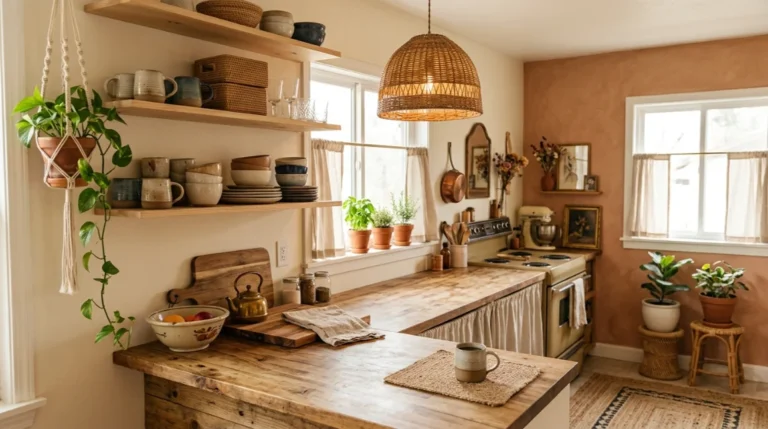
Open shelving remains popular, but the approach has matured. Rather than cluttered displays of mismatched items, the most considered kitchens use open shelving to showcase a curated selection of cookware, ceramics, and plants. The result is a kitchen that feels personal and gallery-like at the same time.
15. Soft Pastel Tones Make a Refined Return
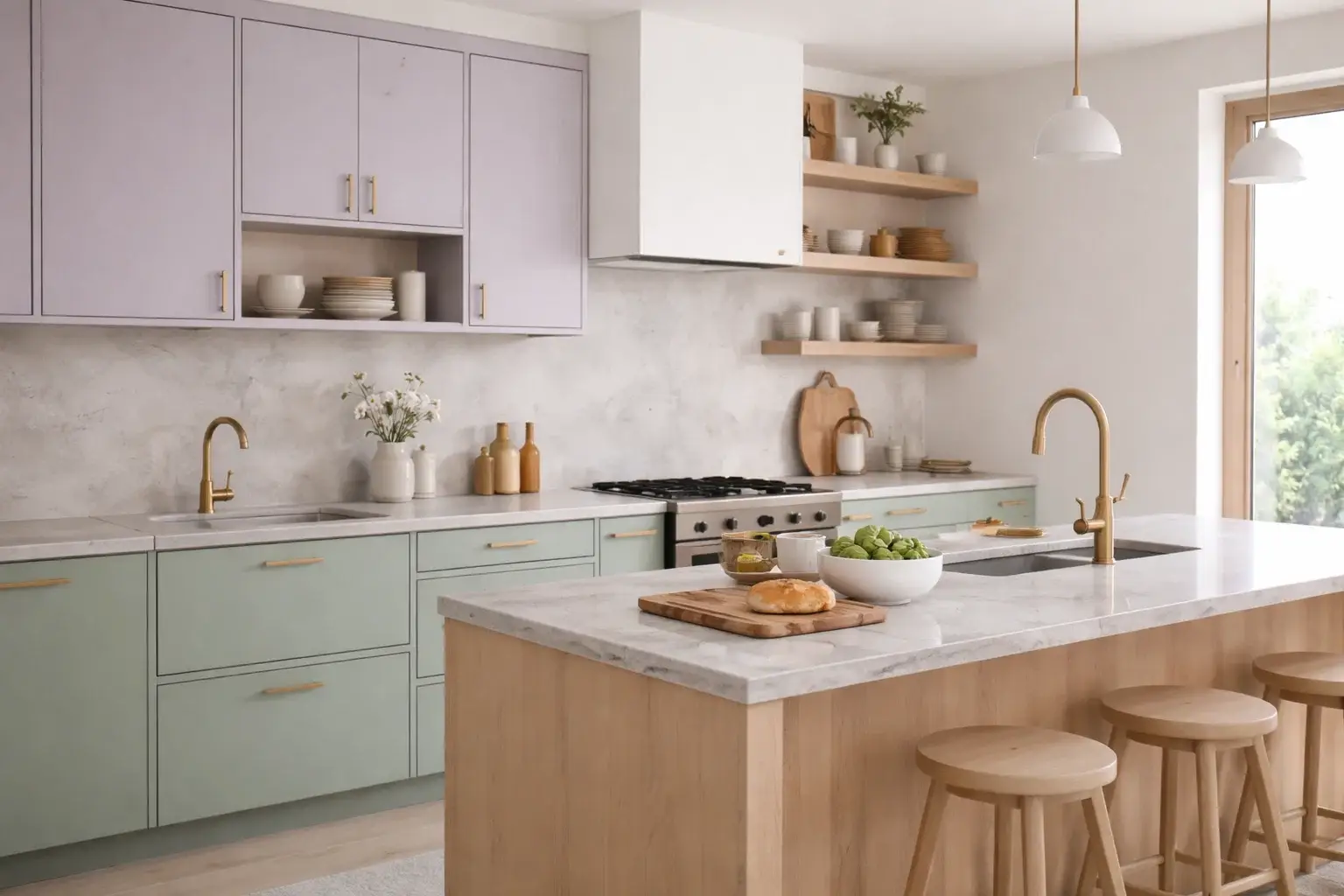
Faded lavender, pale celery, and muted aquamarine are entering the kitchen color conversation in 2026. Unlike the sugary pastels associated with earlier decades, these tones are muted and complex, often reading closer to stone or concrete than candy. They pair exceptionally well with pale wood and matte brass hardware, producing a kitchen that is soft without being sweet.
16. Zellige and Artisanal Tile Backsplashes
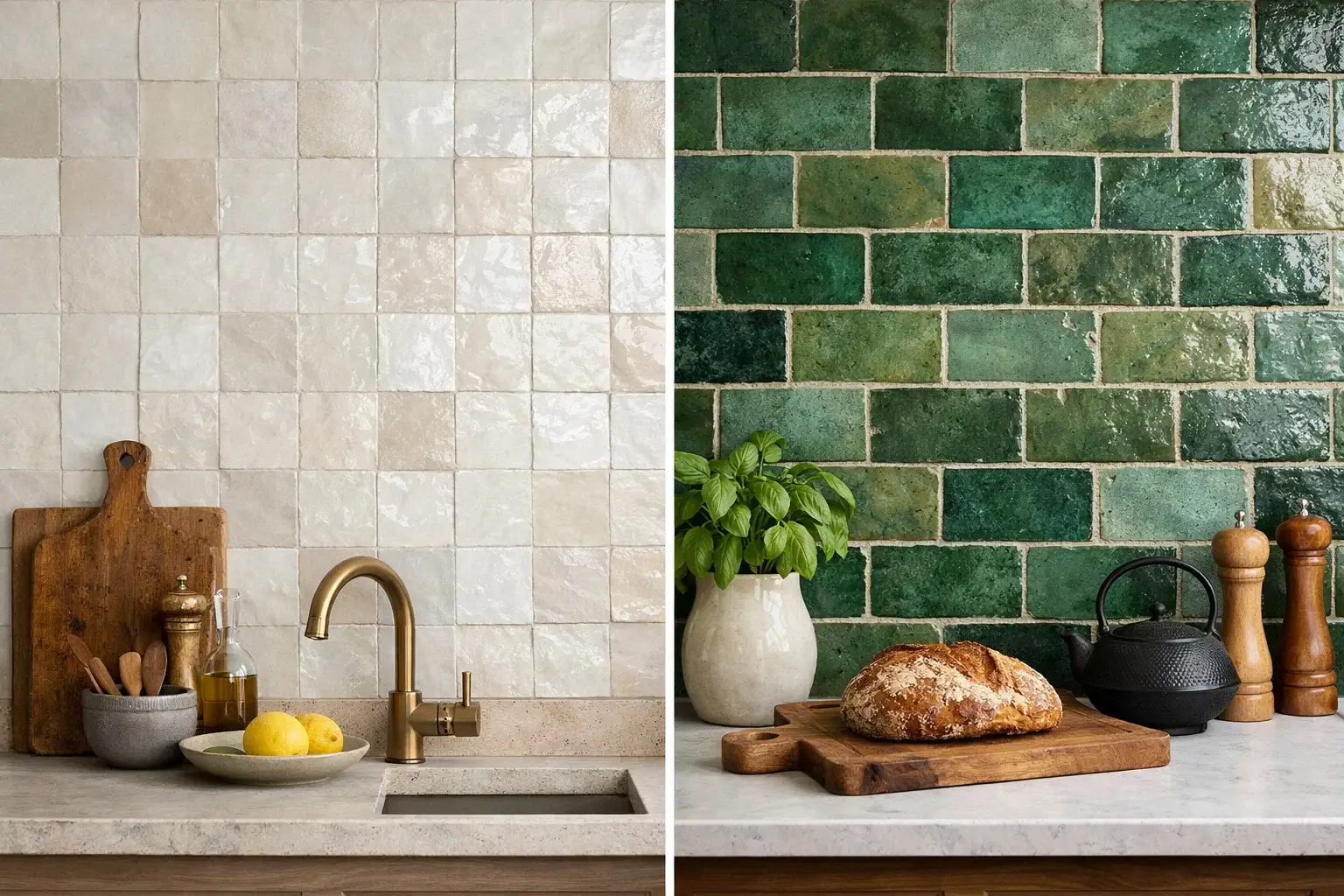
Handmade Zellige tiles, with their characteristic surface imperfections and varied glaze, continue to be a designer favorite. Their ability to catch and reflect light unevenly gives a backsplash visual movement throughout the day. Artisanal ceramic tiles in brick formats and irregular finishes bring the same soulful, handcrafted quality to contemporary kitchens.
17. Built-In Banquettes for Compact Dining
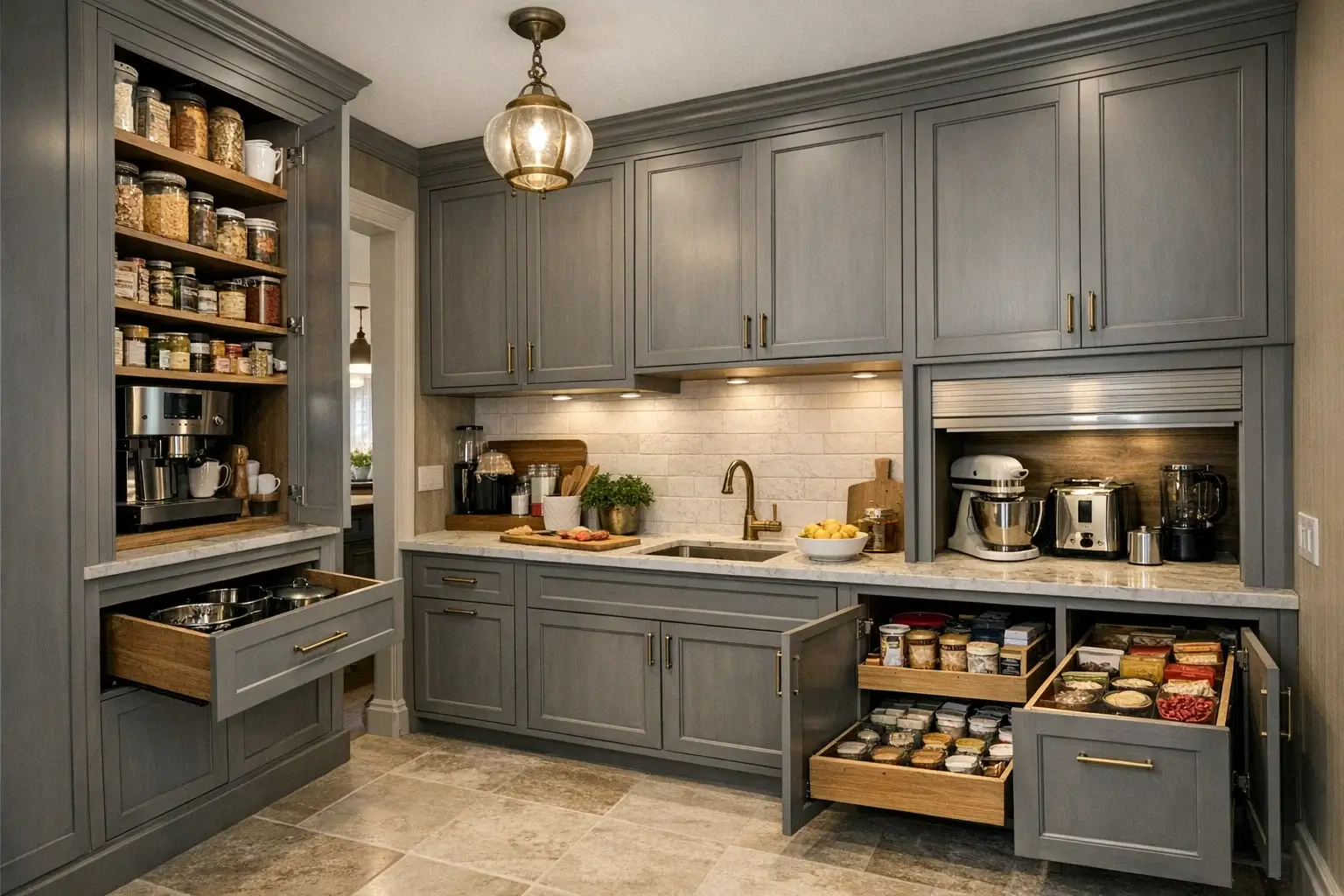
As kitchen footprints grow but dining room use declines, built-in banquette seating is returning as a practical and stylish solution. Positioned in breakfast nooks, beneath windows, or alongside kitchen islands, banquettes create intimate dining spaces that feel designed rather than improvised.
18. Butler Pantries and Hidden Storage
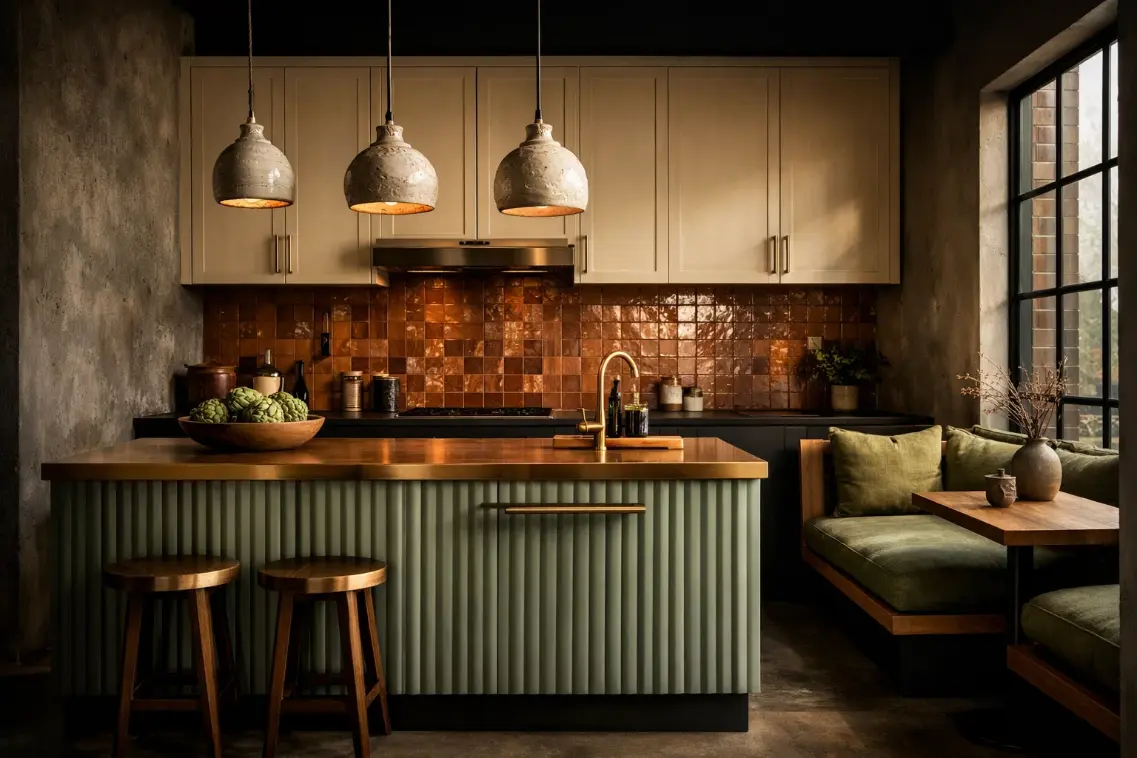
The butler pantry is staging a full comeback. These dedicated rooms adjacent to the main kitchen provide concealed prep areas, additional appliance storage, and a place to keep the primary kitchen looking immaculate. Combined with pull-out pantry systems and deep drawer storage in lower cabinets, thoughtful hidden storage is one of the most impactful investments a homeowner can make in 2026.
Conclusion
Kitchen design in 2026 is defined by a clear and compelling vision: spaces that are beautiful, intelligent, and genuinely livable. The shift from cold minimalism to warm, material-rich interiors reflects a broader cultural desire for homes that support daily life rather than simply impress on first glance. Whether you gravitate toward the quiet luxury of handcrafted finishes, the practicality of smart integrated technology, or the bold personality of deep green cabinetry paired with natural stone, the trends of this year offer something meaningful for every home and every budget. The best kitchens of 2026 are not just designed for photographs. They are designed for the people who use them every single day.
Frequently Asked Questions
1. What is the most popular kitchen cabinet color in 2026?
Neutral tones remain dominant, but deep green is emerging as the standout color of the year. Sage, forest green, and olive finishes are particularly popular, often paired with natural wood countertops or light stone surfaces for a grounded, sophisticated look.
2. Are white kitchens going out of style in 2026?
Pure white kitchens are declining in popularity. Designers are replacing them with warmer, layered palettes such as creamy whites, warm taupes, and natural wood finishes that feel more organic and inviting without sacrificing the sense of openness.
3. What countertop material is trending in 2026?
Quartz remains the most widely used countertop material, but natural quartzite, travertine, and green stone are gaining significant ground. Waterfall islands in continuous stone slabs are particularly sought after for their dramatic visual impact.
4. How can I make my kitchen look modern without a full renovation?
Updating cabinet hardware to unlacquered brass or mixed metals, adding open shelving with curated display items, and replacing a standard range hood with a statement plaster or sculptural version are all high-impact changes that can modernize a kitchen without major structural work.
5. What kitchen style is most timeless for resale value?
According to the NKBA, transitional design, which blends classic proportions with contemporary finishes and materials, is identified by 72 percent of industry professionals as the most popular style for the next three years. It balances current appeal with long-term durability, making it the safest choice for resale.

6 Comments