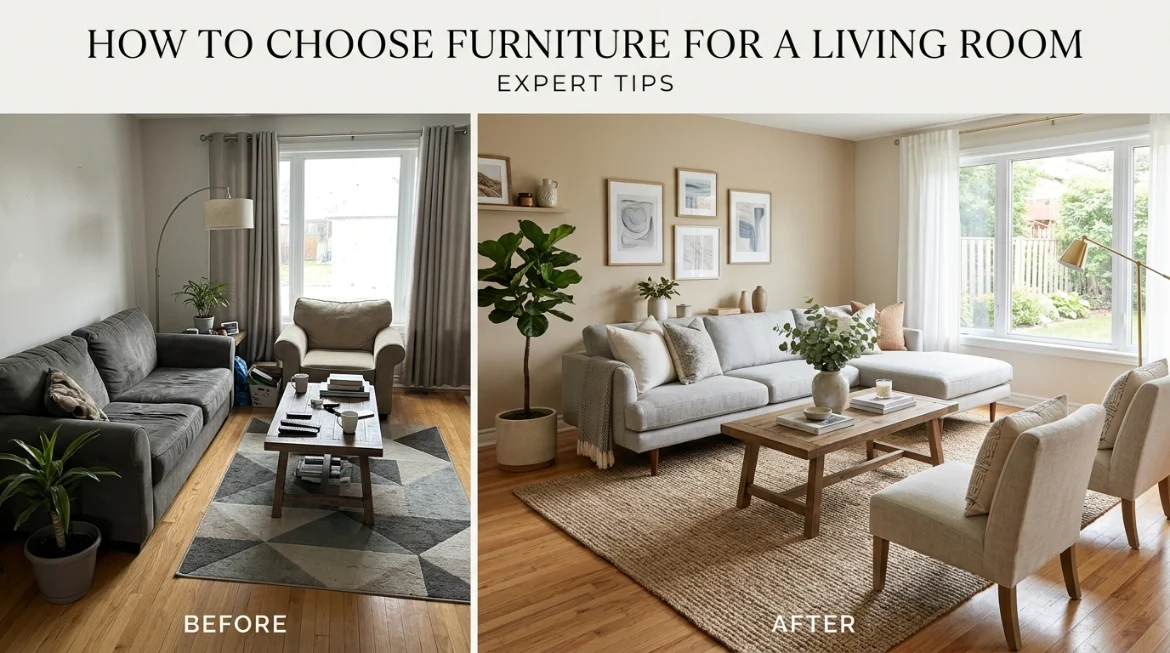
How to Choose Furniture for a Living Room Expert Tips
Choosing furniture for a living room is one of the most important parts of decorating a home. The living room is often the center of family activities, entertainment, and relaxation. It is the place where guests gather, family members spend time together, and daily life happens. Because of this, selecting the right furniture requires more thought than simply buying pieces that look attractive in a showroom.
Many homeowners make the mistake of purchasing furniture before understanding their space, lifestyle, and needs. As a result, they often end up with oversized sofas, crowded layouts, or furniture that does not match the overall style of the room. The good news is that choosing the right furniture becomes much easier when you follow a clear plan.
This guide will explain how to choose living room furniture step by step. Whether you have a large family room, a compact apartment, or an open-concept layout, these expert tips will help you create a comfortable, functional, and stylish living space.
Why Furniture Selection Matters
Furniture does much more than fill an empty room. The pieces you choose affect comfort, movement, functionality, and the overall appearance of your home.
A well-furnished living room feels balanced and inviting. Every piece serves a purpose, and the room flows naturally from one area to another. On the other hand, poor furniture choices can make even a beautiful room feel cramped and uncomfortable.
When selecting furniture, it is important to think beyond appearance. Durability, size, comfort, and practicality should all play a role in your decision.
Start by Understanding Your Living Room Space
Before buying anything, take time to understand your room. This is one of the most important furniture buying tips because many decorating mistakes happen when people skip this step.
Walk around the room and observe how it is used. Notice where natural light enters, where doors open, and how people move through the space. Think about how the room functions on a daily basis.
Some families use the living room mainly for watching television. Others use it for entertaining guests, reading, or spending time together. Your furniture should support these activities.
Understanding your space first helps you avoid costly purchasing mistakes later.
Measuring a Living Room for Furniture
One of the biggest mistakes homeowners make is buying furniture without measuring the room.
Before shopping, measure the length and width of the room. Record the dimensions of windows, doors, and any architectural features such as fireplaces or built-in shelves.
Knowing the exact measurements helps you choose furniture based on room size rather than guesswork. It also prevents the common problem of furniture that looks perfect in a store but overwhelms the room once it arrives at home.
Professional designers often create a simple floor plan before purchasing furniture. Even a rough sketch can help you visualize how different pieces will fit together.
Choosing Furniture Based on Room Size
Room size should influence every furniture decision you make.
In a small living room, large furniture can make the space feel crowded and difficult to navigate. Compact sofas, slim-profile chairs, and multifunctional furniture often work better.
Larger living rooms provide more flexibility. However, bigger spaces also require balance. Furniture that is too small may look disconnected and leave the room feeling unfinished.
The goal is to achieve proper furniture scale and proportion. Every piece should fit comfortably within the room while maintaining enough open space for movement.
How to Choose the Right Sofa
The sofa is usually the largest and most important piece of living room furniture. It often serves as the focal point of the room, which is why selecting the right sofa deserves careful consideration.
When choosing a couch, start by thinking about how many people typically use it. A family with children may need a larger sofa than someone living alone.
Comfort is equally important. A sofa should support your daily activities, whether that involves watching movies, reading books, or entertaining guests.
The style of the sofa should also complement the rest of the room. Modern homes often feature clean lines and neutral colors, while traditional homes may use more classic shapes and textures.
Investing in a quality sofa is usually worthwhile because it is one of the most frequently used pieces of furniture in the home.
Sectional Sofa Ideas for Modern Homes
Sectionals have become increasingly popular because they provide plenty of seating while helping define the layout of a room.
A sectional sofa works especially well in large living rooms or open-concept homes. It can create a natural separation between different areas without requiring walls.
However, sectionals are not always the best choice for smaller spaces. In compact rooms, they may limit flexibility and make rearranging furniture more difficult.
Before purchasing a sectional, carefully measure the available space and consider how it will affect movement throughout the room.
Living Room Seating Options Beyond the Sofa
While the sofa is important, it should not be the only seating option in the room.
Accent chairs can add flexibility and visual interest. They provide additional seating while helping balance the room’s design.
Some homeowners choose swivel chairs because they offer versatility and can easily face different parts of the room. Others prefer upholstered chairs that add softness and comfort.
The best living room seating arrangement usually includes a combination of primary and secondary seating options that encourage conversation and relaxation.
Selecting Accent Chairs
Accent chairs serve both functional and decorative purposes.
When selecting accent chairs, consider their size, shape, and color. They should complement the sofa without matching it exactly.
Many interior designers prefer creating subtle contrast. For example, a neutral sofa can be paired with accent chairs in a different texture or color to add personality to the room.
Comfort should remain a priority. An accent chair that looks beautiful but feels uncomfortable will rarely be used.
Choosing a Coffee Table
A coffee table helps anchor the seating area and provides a practical surface for everyday use.
When choosing a coffee table, pay attention to scale. The table should be large enough to be useful but not so large that it obstructs movement.
Most designers recommend leaving enough space between the sofa and coffee table for comfortable walking and legroom.
Material also matters. Wood creates warmth, glass provides a lighter appearance, and metal offers a more contemporary look.
The right coffee table should support both function and style.
Furniture Style Matching
One common decorating challenge is matching living room furniture.
Many people believe every piece must come from the same furniture collection. In reality, professionally designed rooms often combine different styles, materials, and finishes.
The key is consistency rather than exact matching.
You can mix wood tones, fabrics, and furniture shapes as long as they share common design elements. This approach creates a more natural and collected appearance.
A room that feels too perfectly matched can sometimes look less interesting than one with thoughtful variation.
Furniture Color Coordination
Color plays a major role in living room design.
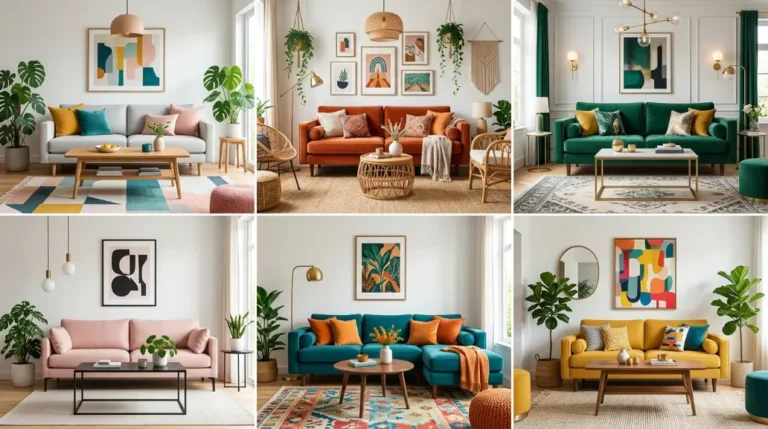
Neutral furniture remains popular because it works with many decorating styles and allows flexibility when updating accessories.
However, neutral does not have to mean boring. Texture, pattern, and subtle color variation can add depth and interest.
If you prefer bold furniture colors, consider balancing them with neutral walls and accessories. This helps maintain harmony throughout the space.
Successful furniture color coordination creates a cohesive and inviting environment.
Creating a Comfortable and Functional Living Room
Comfort should always be a priority when choosing furniture.
A beautiful room loses much of its value if people do not enjoy spending time in it.
Think about how furniture supports daily life. Families often benefit from durable fabrics and easy-to-clean surfaces. Frequent entertainers may prioritize flexible seating arrangements.
The best furniture combines practicality with aesthetics. It should look good while supporting the way you actually live.
Furniture Placement for Better Flow
Even excellent furniture can perform poorly if it is arranged incorrectly.
Furniture placement affects how people move through the room. Pathways should remain clear and easy to navigate.
Avoid pushing every piece against the walls. In many cases, bringing furniture slightly inward creates a more comfortable and intimate arrangement.
The goal is to create natural conversation areas while maintaining an open feeling throughout the room.
Family-Friendly Living Room Furniture
Families with children often have different priorities than other homeowners.
Durability becomes especially important. Performance fabrics, stain-resistant materials, and sturdy construction can help furniture withstand everyday use.
Rounded edges may also provide additional safety in homes with young children.
Family-friendly furniture should balance comfort, durability, and appearance.
Space-Saving Furniture Ideas
Small living rooms require thoughtful planning.
Space-saving furniture ideas include storage ottomans, nesting tables, and multifunctional pieces that serve more than one purpose.
Furniture with exposed legs can also help a room feel more open because it allows more of the floor to remain visible.
The goal is to maximize functionality without making the room feel crowded.
Common Furniture Buying Mistakes
Many homeowners repeat the same furniture buying mistakes.
One of the most common is purchasing furniture based solely on appearance. While style matters, comfort and practicality are equally important.
Another mistake is ignoring measurements. Furniture that is too large or too small can disrupt the balance of the room.
Some people also rush the process and buy everything at once. Taking time to build a room gradually often produces better results.
Avoiding these mistakes can save both money and frustration.
Living Room Furniture Checklist
Before making a purchase, consider whether you have addressed the following:
- Measured the room accurately
- Determined your budget
- Identified your primary seating needs
- Considered room traffic flow
- Selected a consistent design style
- Evaluated comfort and durability
- Planned furniture placement
- Considered future needs
This simple living room furniture checklist can help you make smarter buying decisions.
Living Room Makeover Tips
A living room makeover does not always require replacing everything.
Sometimes updating a few key pieces can transform the entire space. A new sofa, different accent chairs, or an updated coffee table may be enough to create a fresh look.
Accessories such as rugs, lamps, and decorative pillows can also refresh a room without requiring a major investment.
Small changes often have a significant impact when chosen thoughtfully.
Final Thoughts
Learning how to choose furniture for a living room involves more than selecting attractive pieces. The best furniture decisions are based on room size, lifestyle, comfort, functionality, and personal style.
By measuring your space, understanding your needs, and focusing on quality over impulse purchases, you can create a living room that feels comfortable, balanced, and welcoming.
Whether you are furnishing a small apartment, updating a family room, or designing a completely new space, thoughtful furniture selection will help you create a room that serves your needs for years to come.
FAQs
1. How do I choose the right furniture for my living room?
Start by measuring your space and understanding how the room will be used. Choose furniture that matches the room size, fits your lifestyle, and provides enough seating without making the area feel crowded.
2. What furniture should every living room have?
Most living rooms need a sofa, coffee table, and additional seating such as accent chairs. Depending on your space, you may also add side tables, storage furniture, and decorative pieces.
3. How do I choose a sofa for a living room?
When selecting a sofa, consider the room size, seating needs, comfort level, fabric durability, and overall design style. A sofa should be comfortable, functional, and proportional to the room.
4. What is the best furniture layout for a living room?
The best layout creates a natural conversation area while maintaining clear walkways. Furniture should be arranged around a focal point such as a fireplace, television, or large window.
5. How can I choose furniture for a small living room?
Choose compact furniture with clean lines and avoid oversized pieces. Multifunctional furniture, storage ottomans, and smaller-scale seating can help maximize available space.