18 Ideas Minimalist Living Room Ideas Modern Style Guide
Most people do not actually want a cold, empty living room. What they want is a space that feels calm, considered, and genuinely comfortable without looking like it was styled by someone who got rid of everything they owned.
That is the real appeal of minimalist living room design, and in 2026, it has finally shed the reputation for being sterile and unwelcoming. In 2026, minimalist living rooms are embracing warmth, texture, and thoughtful design, proving that less truly can be more. Clean lines, neutral palettes, and purposeful decor create serene spaces that feel considered without being stark.
If you have been putting off decorating your living room because you cannot afford to fill it with expensive furniture, or if you simply feel overwhelmed by choice and want a clearer starting point, minimalist design is one of the most practical and achievable directions available. This guide covers 18 specific minimalist living room ideas with practical advice for making each one work in a real home.
What Minimalist Living Room Design Actually Means in 2026
Before diving into specific ideas, it helps to understand what the word minimalist actually means in a practical context.
At its core, a minimalist living room is about intentionality. It is about breaking through the clutter and prioritizing what you really love and need. Key ideas include deliberately decluttering to create open and airy spaces, choosing furniture that prioritizes function, and prioritizing quality over quantity.
Minimalism does not mean owning nothing. It means owning things that have a clear reason for being there. A minimalist living room has furniture that fits the space properly, colors that work together without competing, and decorative objects that are genuinely meaningful rather than accumulated over time.
Minimalist living rooms in 2026 prove that simplicity does not mean sacrificing personality or comfort. Thoughtful choices create spaces that feel both calm and lived-in.
1. The Warm Neutral Palette Living Room
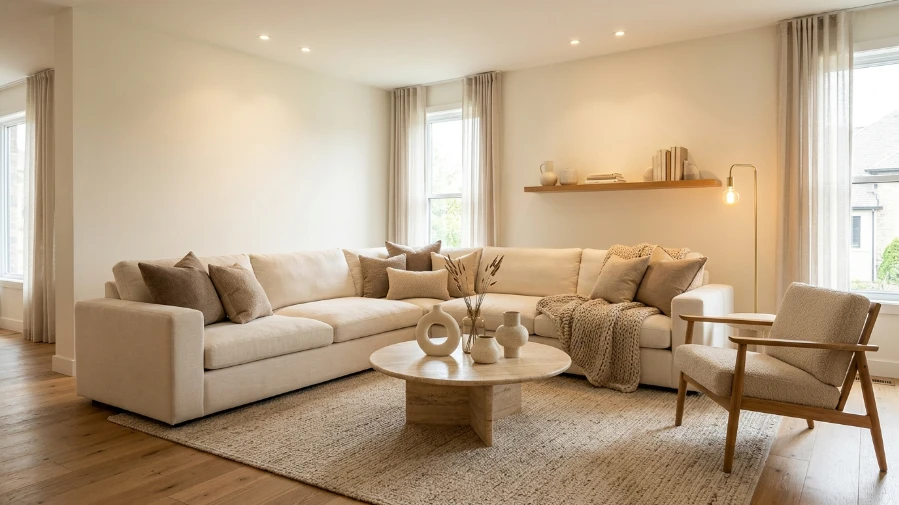
Warm neutrals are the most reliable foundation for a modern minimalist living room because they create a base that feels genuinely livable rather than clinical.
This living room demonstrates how neutral palettes can feel anything but flat when layered thoughtfully through textiles, shapes, and warm lighting. The sectional sofa creates a welcoming foundation, while the round travertine coffee table and sculptural ceramics add subtle tactile interest.
Warm whites, creams, soft taupes, and sandy beige tones all work within this palette. The key is layering different shades of the same warm family rather than using a single flat tone throughout, which tends to feel unfinished rather than intentionally minimal.
Pair with warm wood tones in your furniture and flooring for the most grounded and comfortable result.
2. The Scandinavian Minimalist Living Room
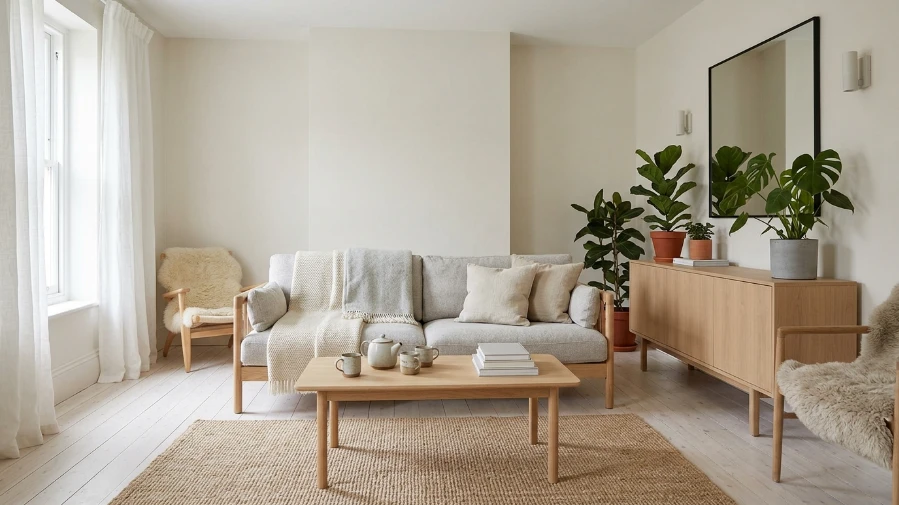
Scandinavian design is one of the most popular minimalist styles because it combines simplicity with functionality and warmth, making it perfect for a cozy yet clean living room. Use light wood furniture paired with a neutral sofa, add texture through knitted throws, soft cushions, and simple rugs, and layer textures while keeping colors minimal.
The Scandinavian approach to minimalist interior design is characterized by light wood, clean lines, functional furniture, and a genuine warmth that distinguishes it from more severe forms of minimalism.
Plants work particularly well in a Scandinavian-style minimalist living room because they add natural color and life without any of the visual clutter that decorative objects can introduce.
3. The White and Beige Living Room
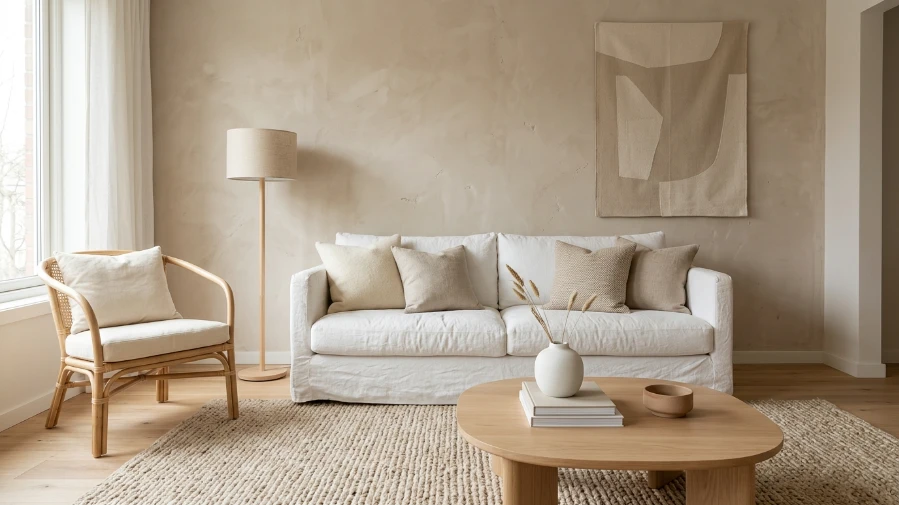
White and beige is the most classic minimalist living room color combination and one that consistently reads as both current and timeless.
The success of this combination depends on the textures you choose. A white linen sofa against a beige plaster wall with an oatmeal jute rug and natural oak furniture creates a layered, textured result that is visually interesting despite using almost no color. Without texture, the same palette reads as simply unfinished.
Add warmth through natural materials like rattan, linen, and light wood rather than introducing additional colors when you feel the room needs something more.
Quick Comparison Table: Minimalist Living Room Styles 2026
| Style | Color Palette | Key Materials | Best For | Signature Piece |
|---|---|---|---|---|
| Warm Neutral | Cream, taupe, warm white | Linen, oak, travertine | Any home size | Travertine coffee table |
| Scandinavian | White, light beige, soft grey | Light wood, wool, glass | Small to medium rooms | Light wood furniture |
| Earth-Toned | Clay, olive, warm brown | Ceramic, rattan, linen | Modern or bohemian homes | Ceramic vase collection |
| Cozy Minimalist | Oatmeal, cream, warm grey | Boucle, knit, velvet | Apartments, city homes | Deep cushion linen sofa |
| Japandi | Off-white, warm grey, black | Bamboo, rice paper, oak | Contemporary homes | Low platform sofa |
| Monochrome | White, grey, charcoal | Concrete, glass, steel | Modern or industrial | Sculptural floor lamp |
| Natural Wood | Beige, warm white | Oak, walnut, jute | Family homes | Statement wood shelving |
4. The Cozy Minimalist Living Room
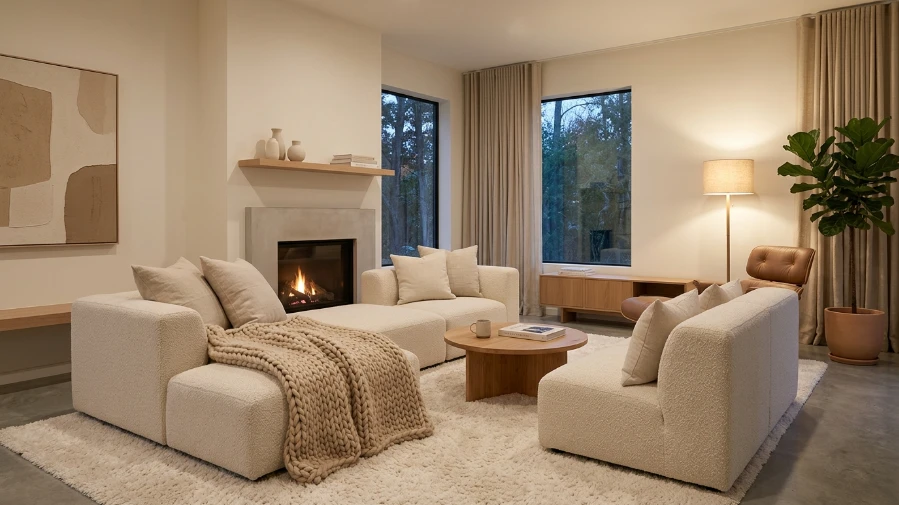
Minimalism does not mean sacrificing comfort. In 2026, cozy minimalist living rooms focus on softness and ease. Clean-lined sofas are paired with deep cushions, warm throws, and flexible layouts that support lounging, hosting, and everyday downtime.
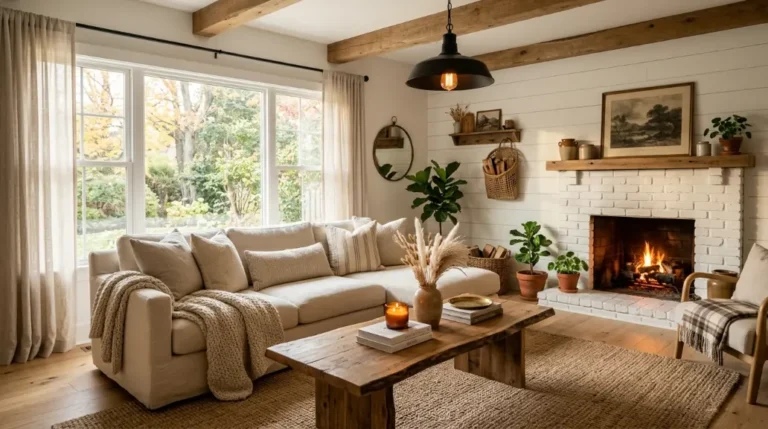
The cozy minimalist living room is the version that most people actually want to live in. It retains the clean, uncluttered quality of minimalist design while introducing enough softness through textiles and warm lighting to feel genuinely comfortable on a cold evening.
A large, low sofa in a neutral linen or boucle fabric, a chunky knit throw, and a soft area rug bring comfort into the space without adding any visual complexity.
5. The Earth-Toned Minimalist Living Room
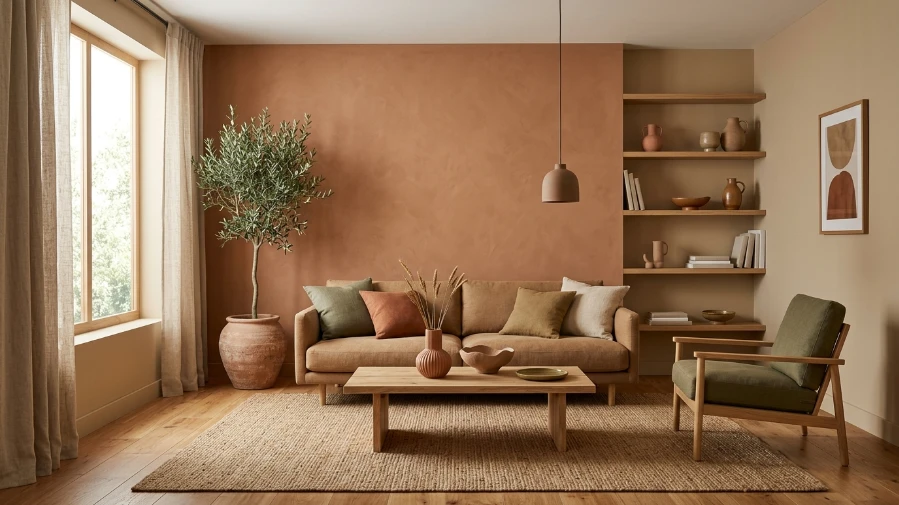
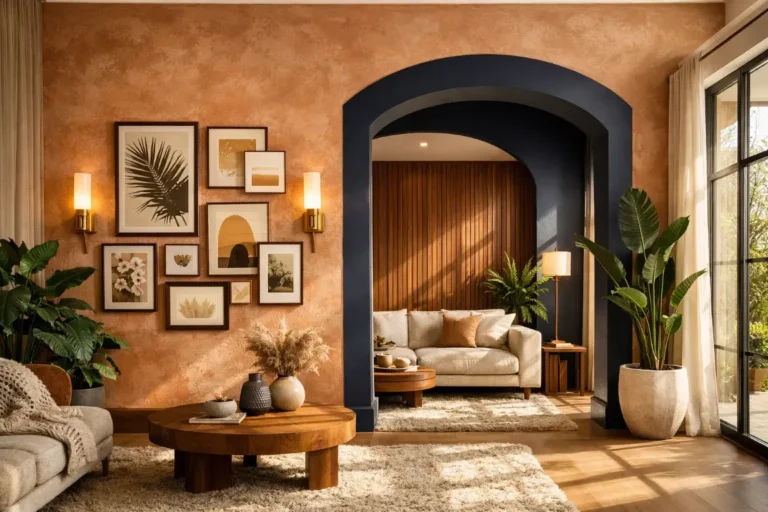
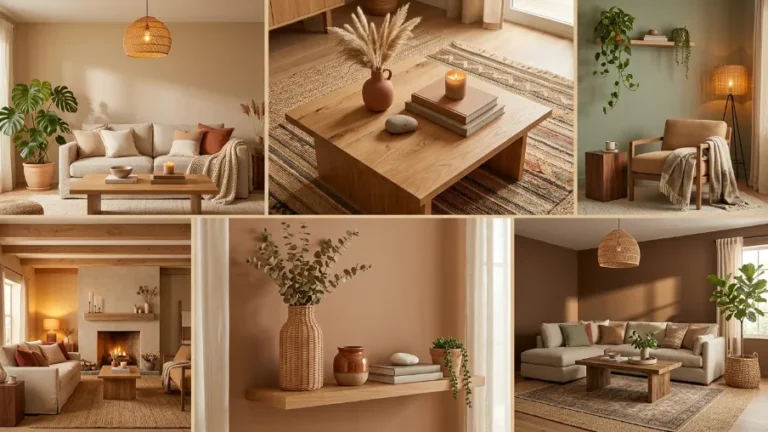
Earth-toned minimalist living rooms are gaining traction in 2026 because of their grounding quality. Clay hues, olive accents, and natural wood replace stark whites, creating warmth without visual clutter.
Earth tones in a minimalist context include warm terracotta, clay, dusty olive, warm brown, and deep sand. These colors reference the natural world in a way that feels genuinely calming rather than simply trendy.
Use earth tones on a single statement wall, in your soft furnishings, or in ceramic decorative objects. Pair with natural wood and linen for a result that feels both earthy and refined.
6. The Small Minimalist Living Room
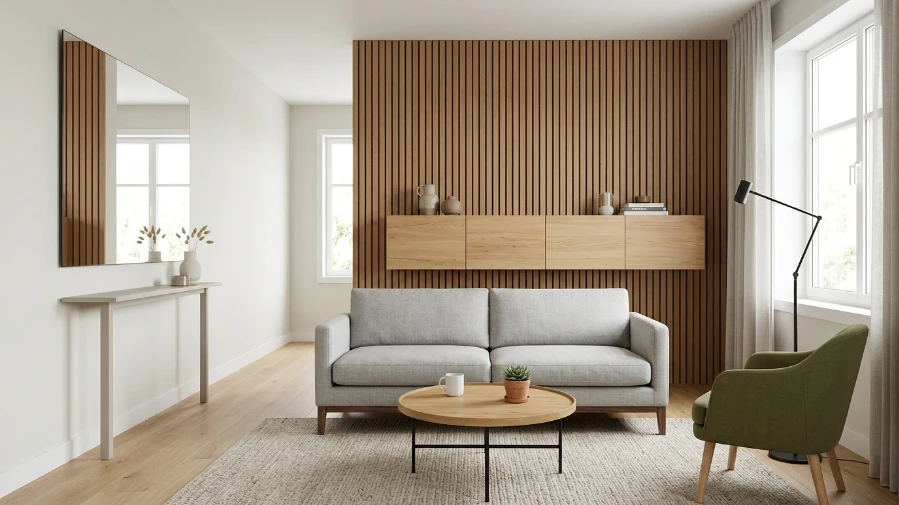
Small living rooms benefit enormously from minimalist principles because the reduced visual clutter makes the space feel significantly larger than it actually is.
Small minimalist living rooms with floating cabinetry and warm wood cladding create a partial wall of visual interest that adds warmth and architectural character without consuming floor space.
Choose furniture with legs rather than pieces that sit directly on the floor, as the visible floor space beneath furniture makes any room feel larger. Keep the sofa scaled appropriately to the room rather than choosing an oversized piece simply because you love it in a showroom.
Light walls, mirrors, and adequate lighting all help small minimalist living rooms read as more spacious than their square footage suggests.
7. The Natural Wood Minimalist Living Room
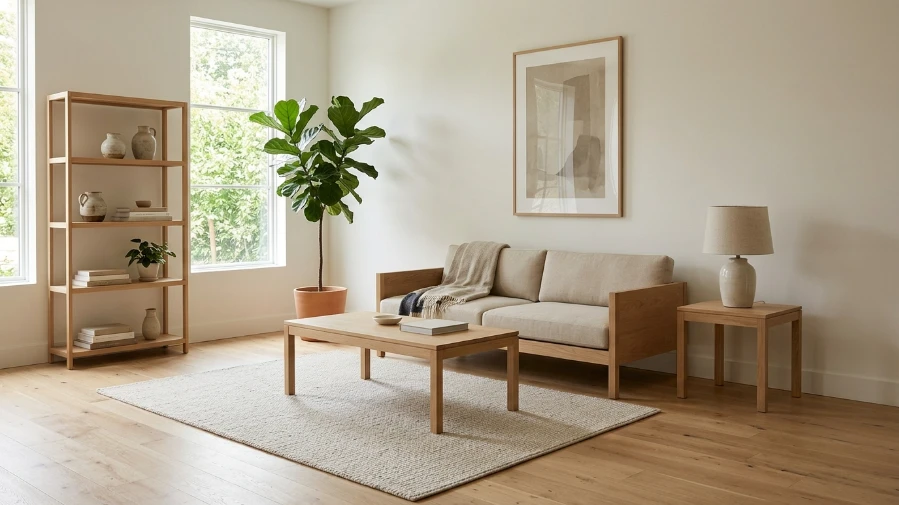
Natural wood is becoming the emotional core of minimalist living rooms. Clean-lined furniture is warmed up with oak, walnut, or ash finishes that add character without clutter. Wood adds richness on its own, making it ideal for minimalist spaces that still need soul.
A room built around natural wood tones does not need much else to feel complete. A light oak coffee table, walnut side tables, and a wooden shelving unit against a neutral wall creates a warm, characterful minimalist living room that requires very few additional decorative elements.
Choose one wood tone and stay consistent throughout the room for the most cohesive result. Mixing multiple wood tones in a minimalist space can look accidentally mismatched rather than intentionally varied.
8. The Japandi Minimalist Living Room
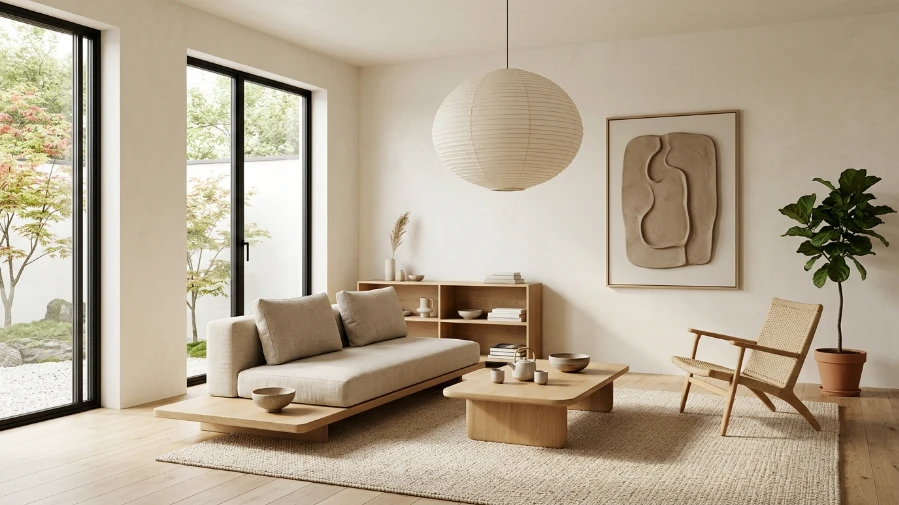
Japandi is a design approach that blends Japanese minimalism with Scandinavian warmth. The result is a living room that is clean, functional, and deeply calm without feeling sparse.
The oversized paper pendant nods to Japanese influences in contemporary interiors, bringing a light, serene presence that balances the more structured furniture below, and this room is a gentle example of the 2026 movement toward approachable, lived-in minimalism.
Low furniture, natural materials, warm whites, and a restrained approach to decoration define the Japandi aesthetic. A low platform sofa, a paper or washi pendant light, and a single large piece of simple ceramic artwork on the wall are all you need to establish this look clearly.
9. The Minimalist Living Room with Statement Lighting
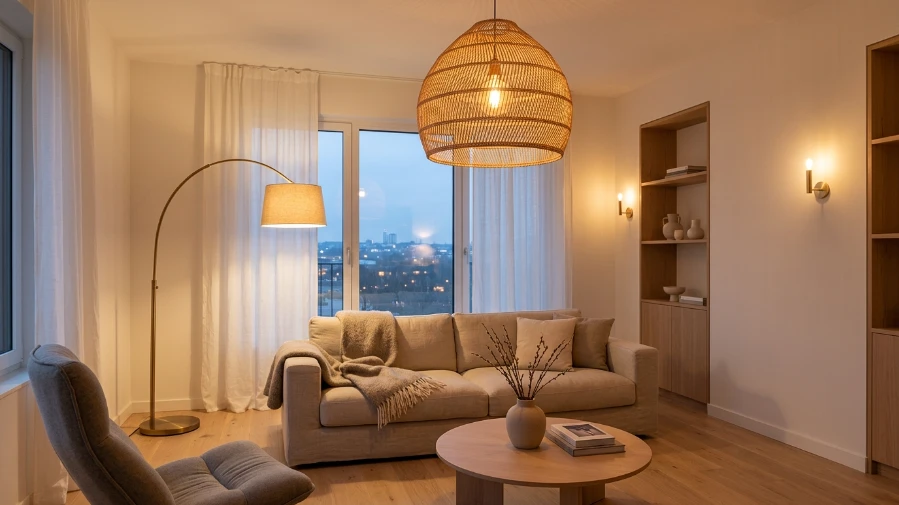
In a minimalist living room, where furniture and decoration are deliberately kept simple, the lighting becomes one of the most impactful design choices available.
Light wood, soft fabrics, and gentle lighting keep minimalist spaces from feeling stark, and warmth in lighting is one of the most important factors that makes minimalism feel like home rather than like a showroom.
A single oversized pendant above the seating area, a tall arc floor lamp beside the sofa, or a pair of simple wall sconces flanking a shelving unit all create mood and warmth that ceiling downlights alone cannot achieve. Choose warm bulbs with a color temperature below 3000K for the most livable, residential quality of light.
10. The Open Concept Minimalist Living Room
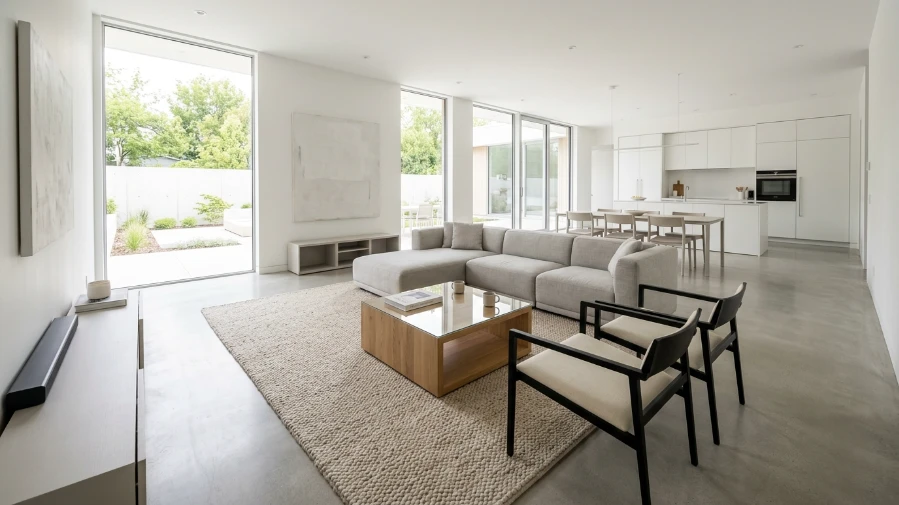
Open concept living spaces and minimalist design work exceptionally well together because the openness of the floor plan reinforces the airiness that minimalism aims to create.
The main challenge in an open concept minimalist living room is defining the sitting area clearly without enclosing it with walls or heavy furniture. A large area rug beneath the sofa and coffee table, a consistent flooring material throughout, and deliberately arranged furniture that faces inward all create a sense of enclosure and intention without any physical barriers.
Keep the visual lines clear across the open plan space. Tall furniture placed in the sightlines between the kitchen, dining, and living areas can fragment what should feel like a unified, calm whole.
11. The Minimalist Apartment Living Room
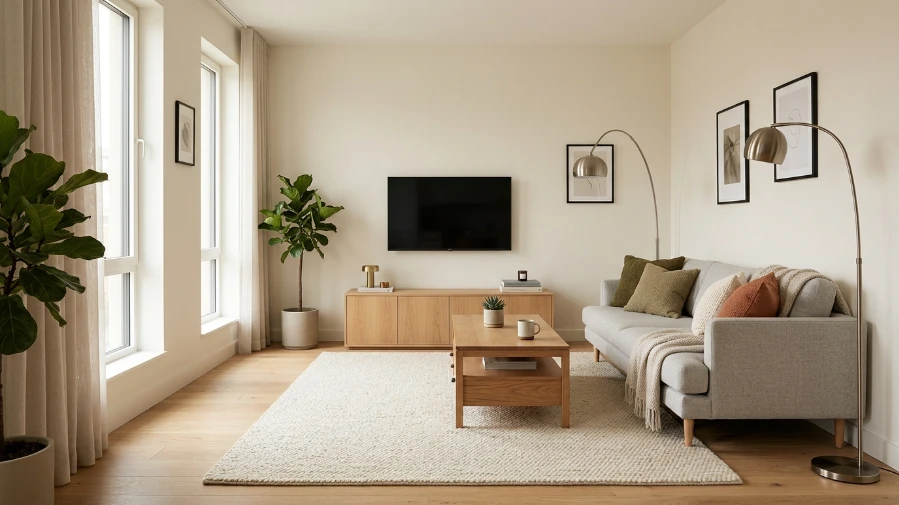
Apartment living presents specific challenges for minimalist design: limited floor space, no storage, and landlord restrictions on wall colors. Despite these constraints, a minimalist approach is one of the most practical for apartment living.
In many cities, renters prioritize comfort without permanence. Nothing feels too precious, and everything is designed to be lived in, not just looked at, which is why cozy minimalist apartment living rooms resonate so strongly in 2026.
Invest in a sofa with built-in storage, a coffee table with drawers, and a compact media unit that keeps electronics and cables completely hidden. The less visible clutter, the more spacious the apartment feels regardless of its actual size.
12. The Minimalist Living Room with Textured Walls
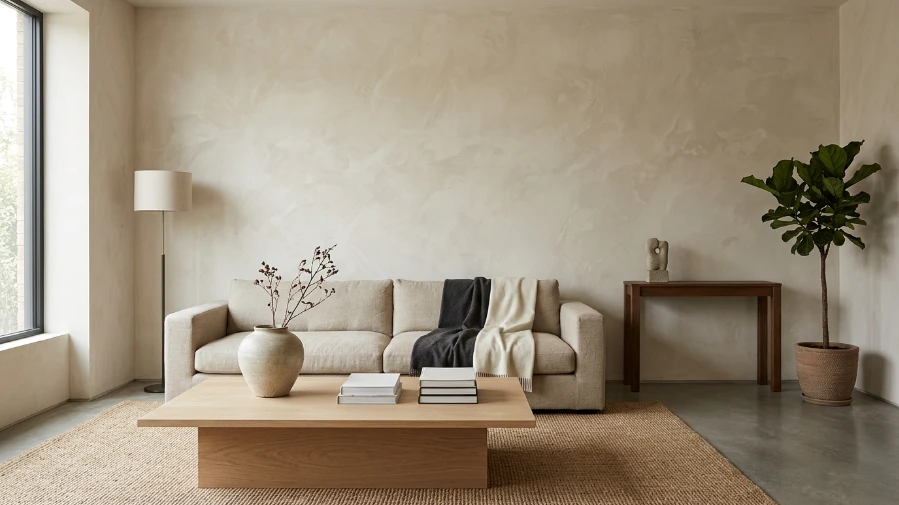
A textured wall in a minimalist living room adds visual depth without any of the busyness that a patterned wallpaper or a gallery wall would introduce.
Pair matte walls with tactile upholstery and one grounding material like wood or stone. Without this balance, minimalist rooms risk feeling unfinished instead of refined.
Limewash paint, plaster finish, or a subtle linen-effect wallpaper all create texture that catches light differently throughout the day and makes a room feel genuinely considered without requiring any additional decoration. This approach is particularly effective in rental apartments where a single wall can be treated without conflicting with a landlord’s expectations.
13. The Minimalist Living Room with a Neutral Sofa as the Anchor
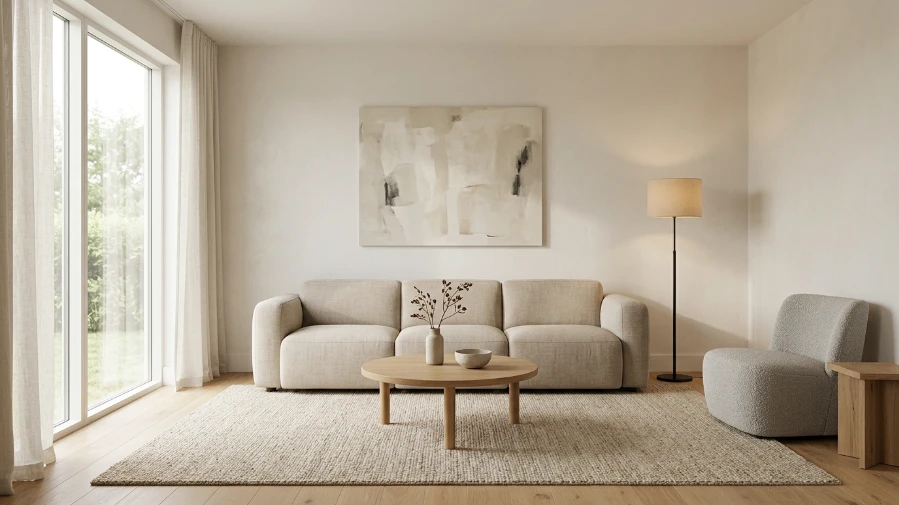
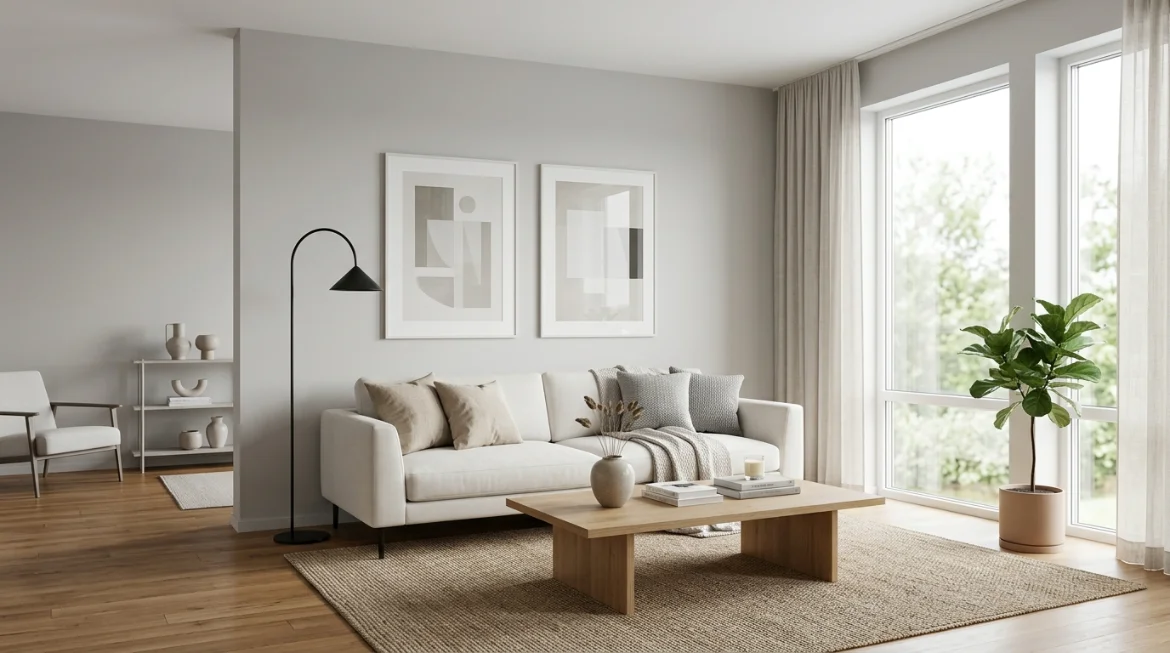
This space gets minimalism right by softening every edge, and the neutral sofa is the foundation that holds the entire composition together while allowing every other element in the room to remain deliberately understated.
A neutral sofa is one of the most important investments in a minimalist living room because it establishes the tone for everything else in the space. Choose a sofa in cream, warm grey, oatmeal, or light beige linen or boucle fabric. The fabric choice matters as much as the color: natural fibers like linen add texture while maintaining a relaxed, unpretentious quality.
Size the sofa to the room. In a minimalist space where every piece is visible and intentional, an oversized sofa reads as a mistake rather than a generous gesture.
14. The Minimalist Living Room with Minimal Wall Decor
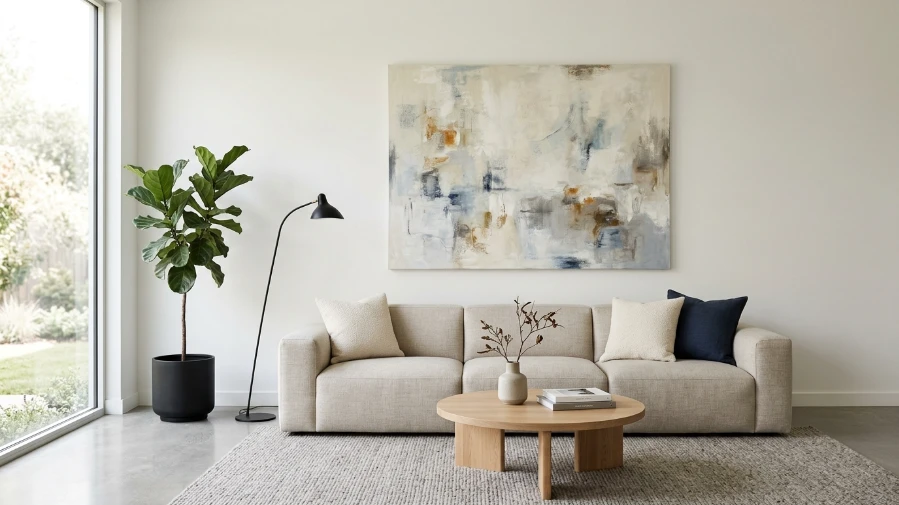
One of the most common questions about minimalist living room design is how much to put on the walls. The answer in 2026 is less than you think, but more than nothing.
A single large piece of artwork hung at eye level above a sofa creates a clear focal point without visual noise. The size of the artwork matters: a large canvas that extends most of the width of the sofa reads as intentional and considered, while a series of small prints grouped together introduces exactly the kind of clutter minimalist design aims to avoid.
Alternatively, a single architectural mirror on a blank wall adds depth and reflects light without any decorative complexity.
15. The Contemporary Minimalist Living Room with Concrete
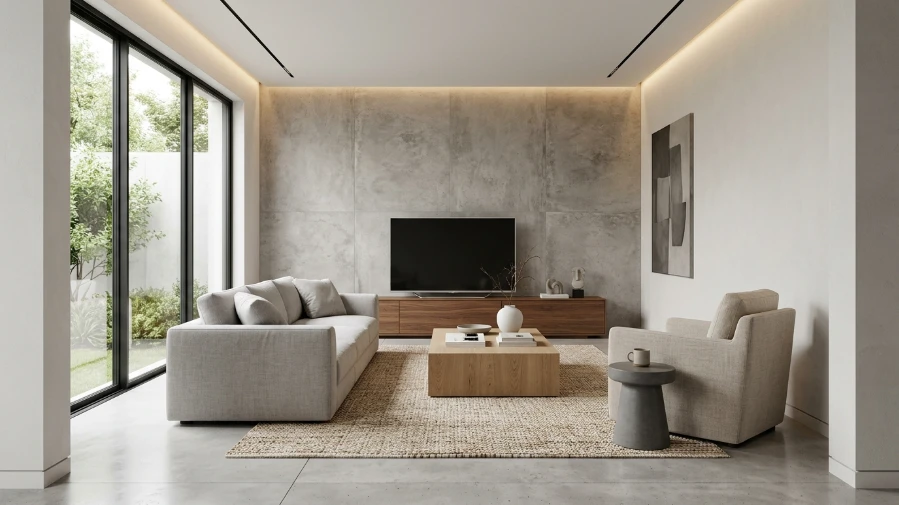
Concrete is one of the most architecturally honest materials available in interior design, and it suits minimalist living rooms that lean toward a more contemporary or industrial aesthetic.
The refined quality that comes from good finishes, proportions, spacing, and detail is the foundation of subtle luxury in minimalism. The removal of one primary element and one or two critical upgrades can change a space without the need for a major redesign.
A concrete side table, a polished concrete floor with an area rug on top, or concrete-finish tile on a feature wall all introduce an industrial quality that keeps the minimalist space feeling current and architectural without being cold.
Balance concrete with warm materials like linen, wood, and woven textiles to prevent the space from feeling more industrial than residential.
16. The Functional Minimalist Living Room with Smart Storage
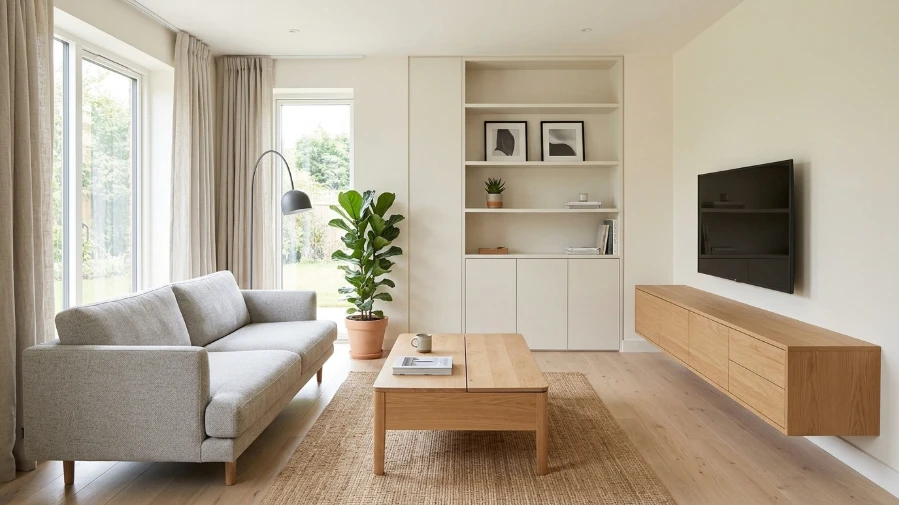
Choosing furniture that prioritizes function with clever storage solutions and prioritizing quality over quantity are key ideas that make minimalist design genuinely practical for everyday living rather than just visually appealing in photographs.
A minimalist living room that cannot function as a real living space fails at its primary purpose. Hidden storage is one of the most practical tools available: a media unit with closed fronts, a coffee table with an interior compartment, built-in shelving with a combination of open and closed sections.
The more effectively storage is hidden, the more genuinely minimalist the space appears. Every item that sits on a surface or floor is a conscious choice; everything else should have a place to live out of sight.
17. The Minimalist Living Room with a Single Statement Plant
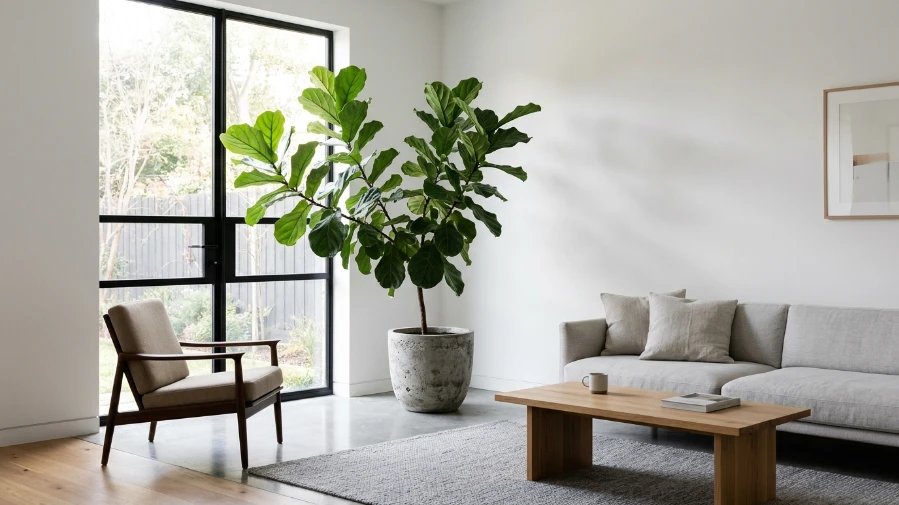
A single large plant in a minimalist living room achieves something that no other decorative element can replicate: it introduces natural life, organic form, and a sense of scale all at once without adding any visual complexity.
A fiddle-leaf fig, olive tree, or large philodendron in a simple ceramic or concrete pot positioned in a corner or beside a window becomes the natural focal point of a minimalist living room without competing with the furniture arrangement. One large plant reads as intentional and bold. Multiple small plants scattered across shelves and surfaces read as clutter.
you may also like this: 15 Japandi Living Room Ideas for a Cozy Modern Look 2026 Now
18. The Budget-Friendly Minimalist Living Room
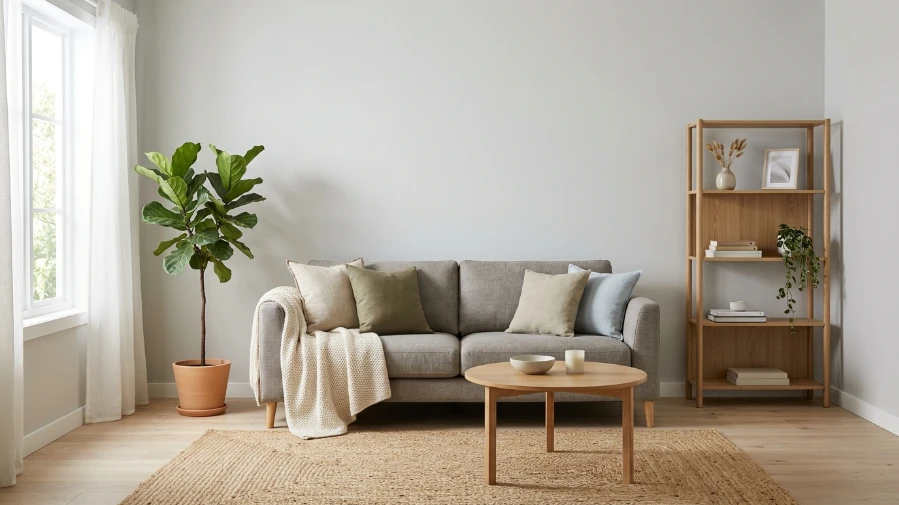
Minimalist design is genuinely accessible on a limited budget because it requires fewer pieces, not more expensive ones.
Budget-friendly minimalist living rooms focus on simple Scandinavian-inspired furniture pieces, texture through inexpensive items like knitted throws, soft cushions, and simple rugs, and layering textures while keeping colors minimal, with plants as a must for this style.
A secondhand sofa reupholstered in a neutral linen, a simple white or oak shelving unit from a flat-pack retailer, a jute rug from a discount homeware store, and a single large plant in a terracotta pot create a genuinely minimalist living room for a fraction of the cost of a designer-curated space.
The quality of the editing is what makes a minimalist room look expensive, not the price of the furniture.
Common Mistakes to Avoid in Minimalist Living Room Design
The most common mistake is confusing minimalism with emptiness. A room with a sofa and nothing else does not look minimalist. It looks unfinished. Minimalism requires enough carefully chosen pieces to make the space feel complete.
The second mistake is ignoring texture. A room in all white or all cream with smooth-finish furniture and no textiles reads as cold and clinical. Layer textures through cushions, rugs, throws, and natural materials to create warmth within a simple palette.
The third mistake is poor lighting. Minimalist rooms rely on lighting to create warmth and mood that decoration would otherwise provide. Ceiling downlights alone are rarely sufficient. Floor lamps, table lamps, and pendant lights are all important tools in a minimalist living room.
Wrapping Up
Minimalist living room ideas in 2026 have moved firmly away from the cold, stripped-back aesthetic that made the style feel intimidating for so long. Clean lines, neutral palettes, and purposeful decor create serene spaces that feel considered without being stark, and whether you are downsizing, decluttering, or simply craving a calmer atmosphere at home, minimalist design offers a direction that is both practical and genuinely beautiful.
The 18 ideas in this guide cover the full range of what a minimalist living room can be in 2026, from the warmth of a Scandinavian-inspired neutral space to the architectural confidence of a concrete and oak contemporary interior. Start with the palette and the sofa, build outward deliberately, and resist the urge to fill every surface. The best minimalist living rooms are always the result of restraint applied with genuine intention.
Frequently Asked Questions
Q1: What is the most important rule in minimalist living room design?
The most important principle is intentionality. Every piece of furniture and every decorative object should have a clear reason for being in the space. Before adding anything to a minimalist living room, ask whether it serves a practical purpose, adds genuine visual value, or means something personally. If none of these apply, it probably does not belong there.
Q2: How do I make a minimalist living room feel warm and not cold?
Warmth in a minimalist living room comes primarily from texture and lighting. Choose natural materials like linen, wool, oak, and jute for your soft furnishings and furniture. Use warm-toned bulbs in floor lamps and pendant lights rather than relying solely on ceiling downlights. A large area rug and layered cushions add significant softness without any visual complexity.
Q3: What colors work best in a minimalist living room?
Warm neutrals are the most reliable foundation: cream, warm white, soft taupe, sandy beige, and light grey all create a calm base that suits minimalist design. In 2026, earth tones like clay, olive, and warm terracotta are increasingly popular as accent choices within a neutral palette. Avoid very cool whites and stark greys, which can feel clinical rather than serene.
Q4: Can a small living room be minimalist?
Yes, small living rooms are actually ideal for minimalist design because the reduced clutter makes them feel larger than they are. Choose furniture with legs so the floor is visible beneath each piece, keep the walls light, use mirrors to add depth, and invest in hidden storage to keep surfaces clear. Scale every piece of furniture to the room rather than bringing in oversized pieces that overwhelm the space.
Q5: How many decorative objects should a minimalist living room have?
There is no exact number, but a useful starting point is three to five well-chosen objects in total. This might include one piece of artwork on the wall, one or two ceramic vessels on a shelf or coffee table, and a single large plant. The quality and placement of each object matters far more than the quantity. Objects grouped in odd numbers of three tend to read more naturally than pairs or larger collections.