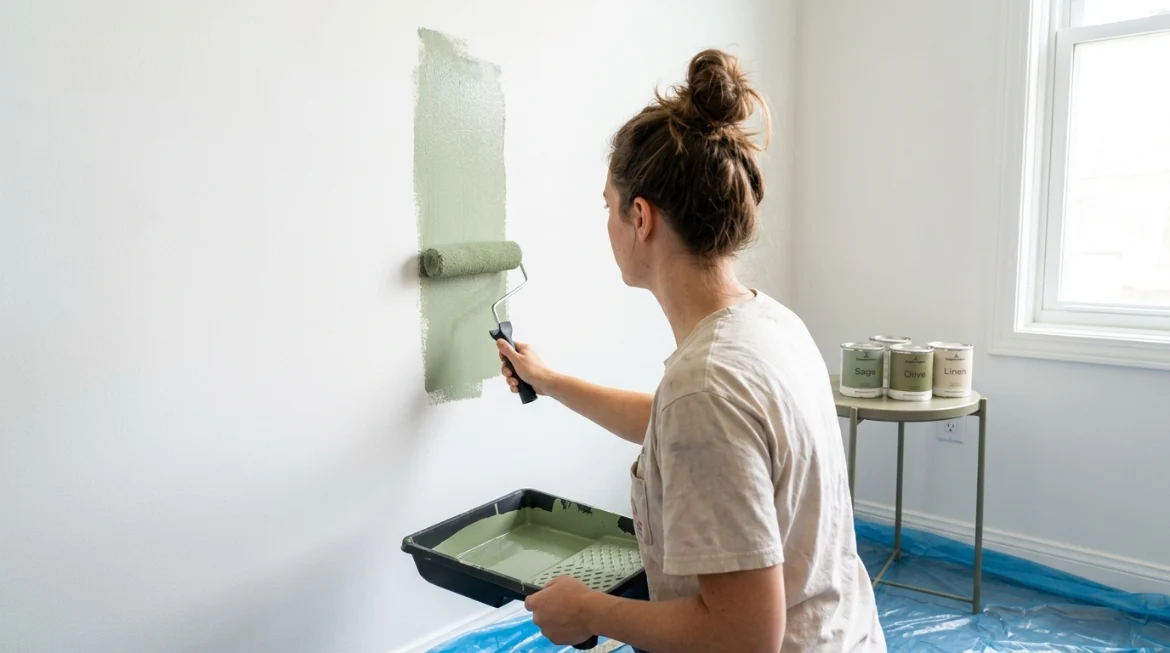
How to Paint a Room Easy Step by Step Guide
Painting a room is one of the best things you can do to refresh your home. It does not require a lot of experience, and you do not need to hire a professional to get great results. With the right tools, a little patience, and a clear plan, you can transform any room in your house with just a few coats of paint.
Whether you are updating a bedroom, giving your living room a fresh look, or just tired of staring at the same old walls, this guide will walk you through everything you need to know. From choosing the right color to cleaning up at the end, we have got you covered.
By the time you finish reading, you will feel confident enough to grab a brush and get started.
Why Painting a Room Is Worth It
A lot of homeowners put off painting because they think it will be messy, time-consuming, or too complicated. But the truth is, painting is one of the most affordable home improvement projects you can take on yourself.
A gallon of quality paint from a store like Home Depot or Sherwin-Williams costs around $30 to $60. Compare that to hiring a professional painter, which can easily run $300 to $800 or more for a single room. The savings are significant, and the satisfaction of doing it yourself is even better.
Beyond the cost, a fresh coat of paint can completely change the mood of a room. It can make a dark and cramped space feel open and bright, or turn a plain bedroom into something that actually reflects your personality.
How to Choose the Right Paint Color
Before you open a single can of paint, you need to choose the right color. This step sounds simple, but it can actually make or break the final result.
Here are a few things to think about when picking your color:
Consider the natural light in the room. Rooms that get a lot of sunlight can handle deeper, richer colors without feeling dark. Rooms with little natural light tend to look better with lighter shades like soft white, cream, or pale gray.
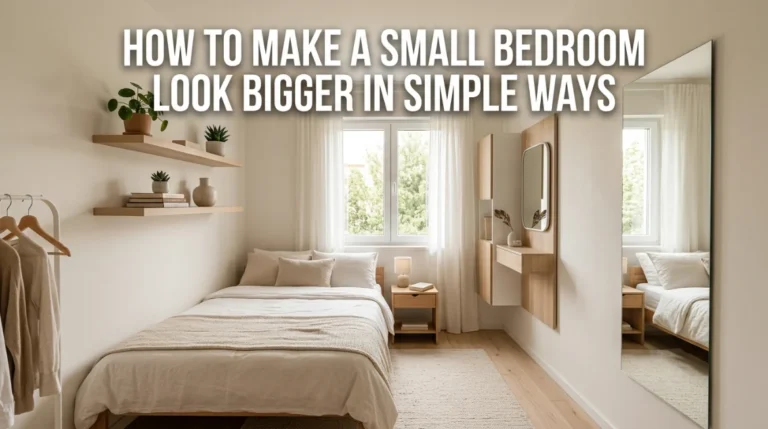
Think about the size of the room. Light colors make small rooms feel larger and more open. If you have a small bedroom or bathroom, sticking with whites, off-whites, or light neutrals is usually the safest choice.
Match the color to your furniture. Before you commit to a paint color, hold a paint swatch up next to your sofa, bedding, or rugs. The color should complement your existing furniture, not clash with it.
Test before you commit. Many paint stores sell small sample sizes for just a few dollars. Paint a small section of your wall and look at it at different times of day before buying full cans.
Popular choices for American homes right now include warm whites, sage green, dusty blue, soft terracotta, and greige (a mix of gray and beige). These colors are versatile, timeless, and work well in almost any room.
What Tools Do You Need to Paint a Room?
Having the right tools before you start makes the entire process smoother and more professional-looking. Here is a complete list of what you will need:
Paint and primer — Choose an interior paint in your chosen color. A primer is recommended if you are painting over a dark color or bare drywall.
Paint roller and covers — A standard 9-inch roller works well for most walls. Use a thicker nap for textured walls and a thinner nap for smooth surfaces.
Angled paintbrush — A 2 to 2.5 inch angled brush is ideal for cutting in along edges, corners, and trim.
Paint tray — Needed to load your roller with paint evenly.
Painter’s tape — Protects trim, ceilings, and edges from accidental drips and smears.
Drop cloths — Protect your floors and furniture from paint drips. Canvas drop cloths work better than plastic because they absorb spills rather than causing you to slip.
Sandpaper — Light sanding helps smooth out rough patches on the wall before painting.
Putty or spackle — Used to fill in holes, dents, or cracks in the wall.
Ladder or step stool — Needed for reaching the upper portions of the wall and ceiling edges.
Stir sticks — To mix the paint properly before applying.
Most of these items can be found at Home Depot, Lowe’s, or any hardware store. You do not need to spend a lot on tools — mid-range quality works just fine for most DIY projects.
Paint Types Comparison Table
| Paint Type | Best For | Finish | Durability | Easy to Clean |
|---|---|---|---|---|
| Flat / Matte | Ceilings, low-traffic rooms | No shine | Low | Hard |
| Eggshell | Bedrooms, living rooms | Slight sheen | Medium | Moderate |
| Satin | Hallways, kids rooms | Soft glow | Good | Easy |
| Semi-Gloss | Bathrooms, kitchens, trim | Shiny | Very good | Very easy |
| Gloss | Doors, cabinets, accents | High shine | Excellent | Easiest |
Step 1 — Prepare the Room Properly
Preparation is honestly the most important part of the entire painting process. Most beginner mistakes happen because this step gets skipped or rushed. If your walls are not properly prepped, even the best paint will look uneven or peel over time.
Start by clearing the room as much as possible. Move furniture to the center of the room and cover it with plastic sheeting or old bed sheets. Take down any wall art, mirrors, and photo frames. Remove outlet covers and light switch plates and set them aside in a safe place.
Next, protect your floors. Lay down drop cloths along the base of every wall. Tape them down if needed to keep them from sliding around while you work.
Now take a close look at your walls. Look for any nail holes, dents, cracks, or rough patches. Fill each one with spackle or wall putty using a putty knife. Let it dry completely, then sand it down smooth so it blends in with the rest of the wall surface.
Finally, wipe down the walls with a damp cloth or sponge. Dust, grease, and dirt prevent paint from sticking properly. Pay extra attention to walls in the kitchen or near doorways, as these tend to collect the most buildup.
Apply painter’s tape along the ceiling line, baseboards, window frames, and door frames. Take your time with this step — clean tape lines mean clean paint lines.
Step 2 — Apply Primer
Primer is an optional step, but it is highly recommended in several situations. If you are painting over a dark wall, painting new drywall, or switching to a drastically different color, primer will save you time and paint in the long run.
Primer creates a uniform base that helps paint adhere better and last longer. It also helps the true color of your paint show through without needing extra coats.
Apply primer with a roller the same way you would apply paint. Let it dry completely — usually one to two hours — before moving on. Most modern paints labeled as “paint and primer in one” can skip this step for standard repaints.
Step 3 — Cut In the Edges First
Before you bring out the roller, you need to paint the edges and corners of the room by hand. This is called “cutting in,” and it creates clean borders that the roller cannot reach.
Using your angled brush, paint a two to three inch band along the ceiling, corners, baseboards, and around any windows or doors. Work slowly and steadily. The goal is to get a clean, straight line that blends seamlessly once you roll the rest of the wall.
Some painters prefer to cut in the entire room before rolling, while others cut in one wall at a time and then immediately roll it while the edge is still wet. Either method works, but keeping edges wet helps them blend better.
Step 4 — Paint the Walls With a Roller
Now comes the satisfying part. Pour your paint into the tray, load the roller evenly, and get started.
Begin at the top of the wall and work your way down. Use a “W” or “M” shaped stroke to spread the paint across a large section, then fill it in with vertical strokes. This technique helps distribute the paint evenly and reduces visible roller marks.
Work in sections of about three to four feet wide. Try to maintain a “wet edge” by overlapping each new section with the previous one before it dries. This prevents lap marks, which are one of the most common complaints from beginner painters.
Do not overload the roller with paint. A lightly loaded roller gives you more control and produces a smoother finish than a roller that is dripping with paint.
Step 5 — Apply the Second Coat
One coat of paint is rarely enough to get a smooth, even finish. After your first coat dries completely — usually two to four hours depending on the paint and humidity — apply a second coat using the same technique.
The second coat is what makes the color look rich, full, and professional. It also covers any thin spots or streaks you may have missed on the first pass.
Check the paint can for the manufacturer’s recommended dry time between coats. Applying the second coat too soon can cause the paint to peel or look uneven.
Step 6 — Final Touches and Cleanup
Once your final coat is fully dry, it is time to finish up. Carefully peel off the painter’s tape at a 45-degree angle. Pull slowly to avoid tearing the tape or pulling off any paint with it.
Reinstall your outlet covers and light switch plates. Rehang your wall decor and move your furniture back into place.
Clean your brushes and rollers right away. Latex paint (water-based) washes out easily with warm water and soap. Oil-based paints require mineral spirits or paint thinner for cleaning.
you may also like this: 18 Colorful Minimalist Bedroom Ideas for Modern Homes
Step back and take a look at your work. A freshly painted room always feels like a brand new space.
Room Painting Tips for Better Results
These small tips can make a big difference in the quality of your finished paint job:
- Always paint in good lighting so you can spot thin spots or drips right away
- Paint in the direction of natural light to minimize visible brush strokes
- Keep a small brush handy for touching up drips before they dry
- Avoid painting when humidity is very high — paint takes longer to dry and may not adhere properly
- Store leftover paint in an airtight container labeled with the room name and color for future touch-ups
- Roll slowly — fast rolling creates splatter and uneven coverage
Common Painting Mistakes to Avoid
Even experienced DIYers make these mistakes from time to time. Knowing what to watch for helps you avoid them entirely.
Skipping wall prep is the number one mistake. Paint cannot hide imperfections — it actually makes them more visible. Always patch, sand, and clean your walls before painting.
Using cheap brushes and rollers leads to streaks, bristle marks, and uneven coverage. You do not need to buy the most expensive tools, but avoid the bargain bin.
Not stirring the paint is another common oversight. Paint separates in the can, and if you do not mix it thoroughly, the color and consistency will be uneven.
Applying paint too thick in one coat causes drips, bubbles, and long drying times. Thin, even coats always produce better results.
Rushing between coats is tempting but can ruin an otherwise great paint job. Patience pays off.
How Long Does It Take to Paint a Room?
The time it takes to paint a room depends on several factors, including the size of the room, the number of coats needed, and how much prep work is required.
For a standard bedroom, most people can complete the full project in one to two days. The prep work and first coat usually take the better part of day one, while the second coat and cleanup wrap up on day two.
Larger rooms like living rooms may take a full weekend, especially if you are doing detailed work around trim, windows, and doors.
FAQs About Painting a Room
1. Do I need to use primer before painting?
Not always. If you are doing a simple repaint in a similar color, a good quality paint is usually enough. But if you are going from dark to light, covering stains, or painting new drywall, primer is definitely worth the extra step.
2. What is the best paint finish for a bedroom?
Eggshell or satin are the most popular choices for bedrooms. They offer a subtle sheen, are easy to clean, and hold up well over time without looking too shiny.
3. How do I avoid streaks when painting?
Use consistent roller pressure, maintain a wet edge as you work, and avoid overloading the roller with paint. Rolling slowly and evenly is the best way to get a streak-free finish.
4. Can I paint over old paint without sanding?
Yes, in most cases. As long as the existing paint is in good condition and not peeling or flaking, you can paint directly over it after cleaning the wall. Light sanding can help the new paint adhere better, but it is not always necessary.
5. How much paint do I need for one room?
A standard gallon of paint covers about 350 to 400 square feet. Measure the total wall area of your room and divide by 350 to get a rough estimate of how many gallons you need. Always buy a little extra for touch-ups.
Final Thoughts
Painting a room yourself is one of the most rewarding home improvement projects you can take on. It is affordable, manageable, and the results speak for themselves. With the right preparation, quality tools, and a little patience, you can achieve a finish that looks just as good as anything a professional would deliver.
Whether you are freshening up a tired bedroom or completely transforming your living room, the steps in this guide will help you get there. Take your time, follow the process, and enjoy the results.